


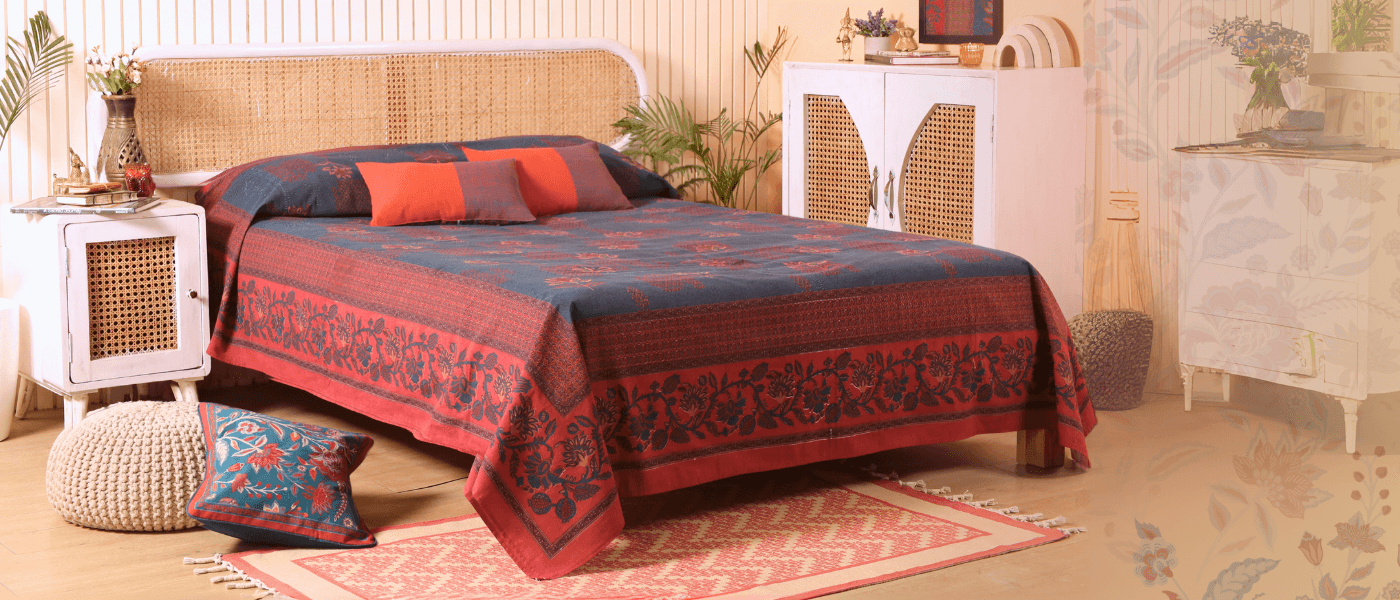


Blooming Patterns - The Floral Motifs of Chintz Through History
• By Priyanka Shrivastav
• 2025-04-01
• 3 mins read
For centuries, Indian chintz dazzled the world with its vibrant floral designs. Each motif carried its own story — a blend of cultural influences, artistic innovation, and timeless beauty. From royal Mughal gardens to European parlours, these floral patterns transcended borders and captivated hearts.
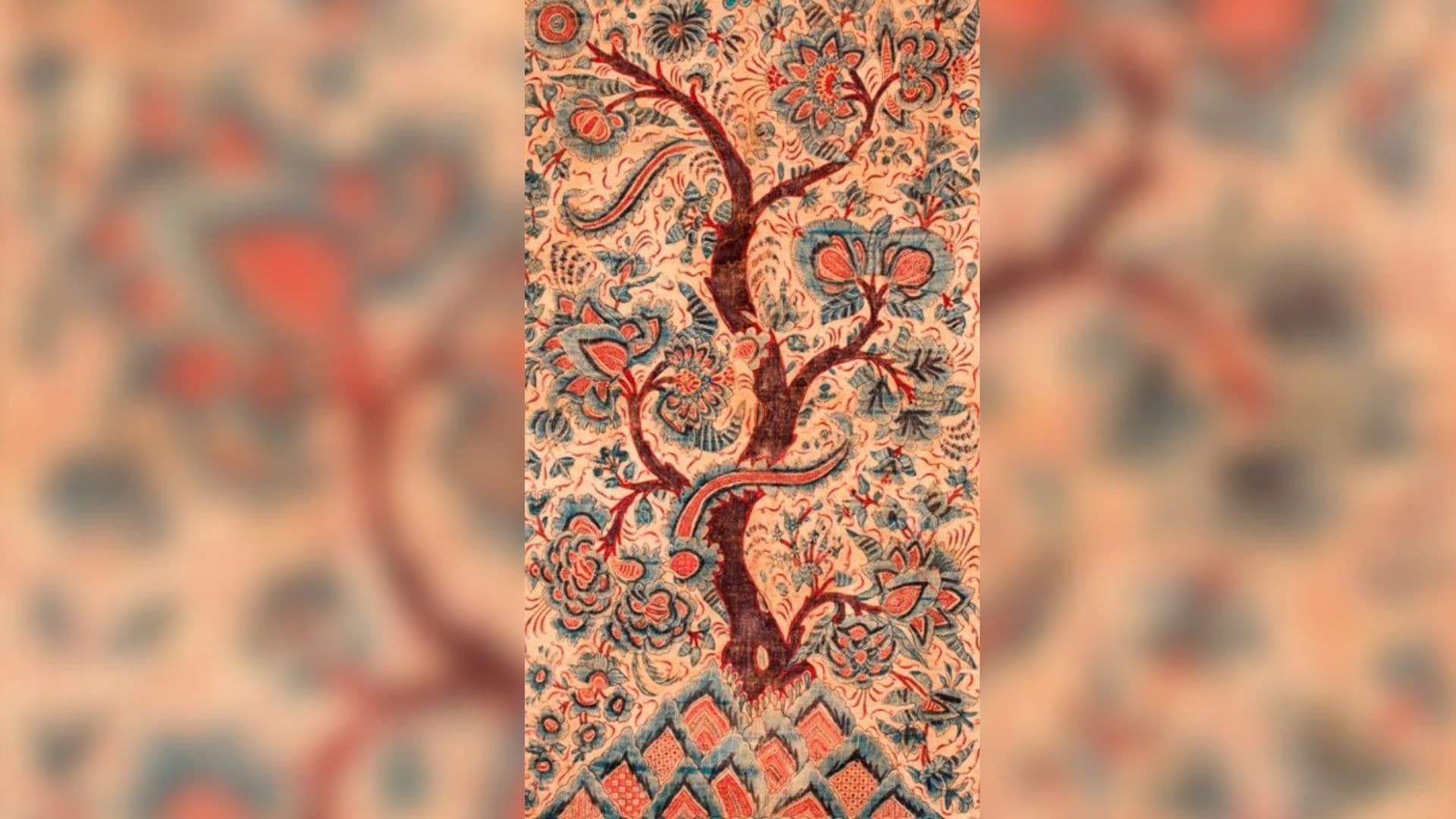
The Tree of Life — An Ancient Symbol
An enduring symbol found across cultures, the Tree of Life flourished in Indian chintz as a motif of longevity, wisdom, and connection. Often depicted with bold red flowers, this design captivated British buyers, who cherished its sense of prosperity and eternity.
In chintz, the Tree of Life motif reflected both Indian spiritual beliefs and European tastes — a true symbol of cross-cultural exchange.
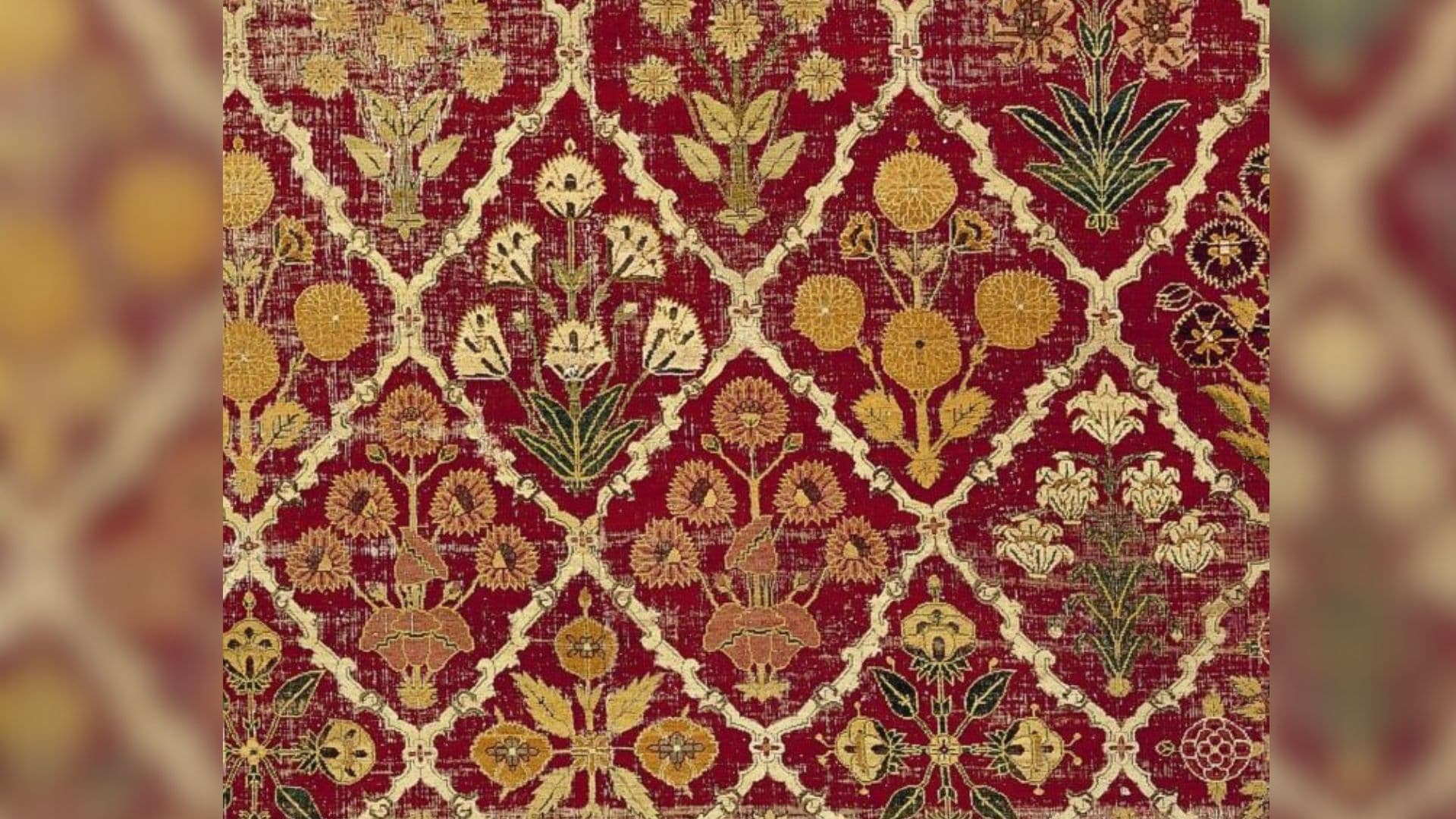
The Mughal Bloom — Inspired by Persian Gardens
During the Mughal period, floral motifs blossomed with intricate detail. Inspired by Persian gardens, these designs wove delicate vines, blossoms, and geometric patterns into chintz textiles.
This rich artistry mirrored the Mughal emperors’ deep love for gardens — from Babur’s fondness for flowers to Jahangir’s admiration of nature’s beauty.
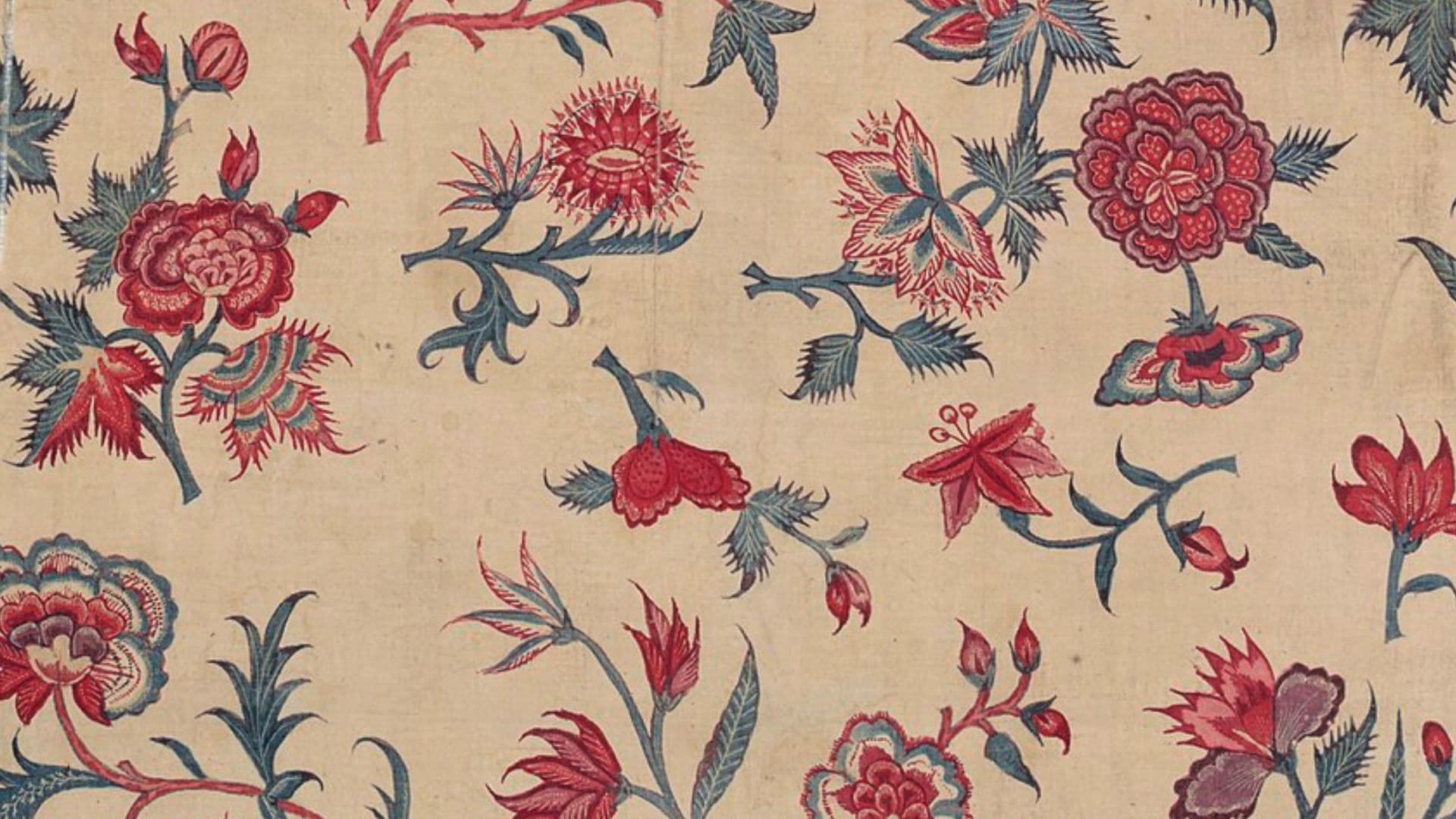
The Robust Indian Style — Bold and Beautiful
Closer to home, Indian artisans developed a distinct ‘robust’ style of chintz. Thick tree branches, delicate twigs, and clusters of blooms adorned the fabric.
This earthy and bold style celebrated India’s rich biodiversity and reflected the influence of Islamic and local traditions.
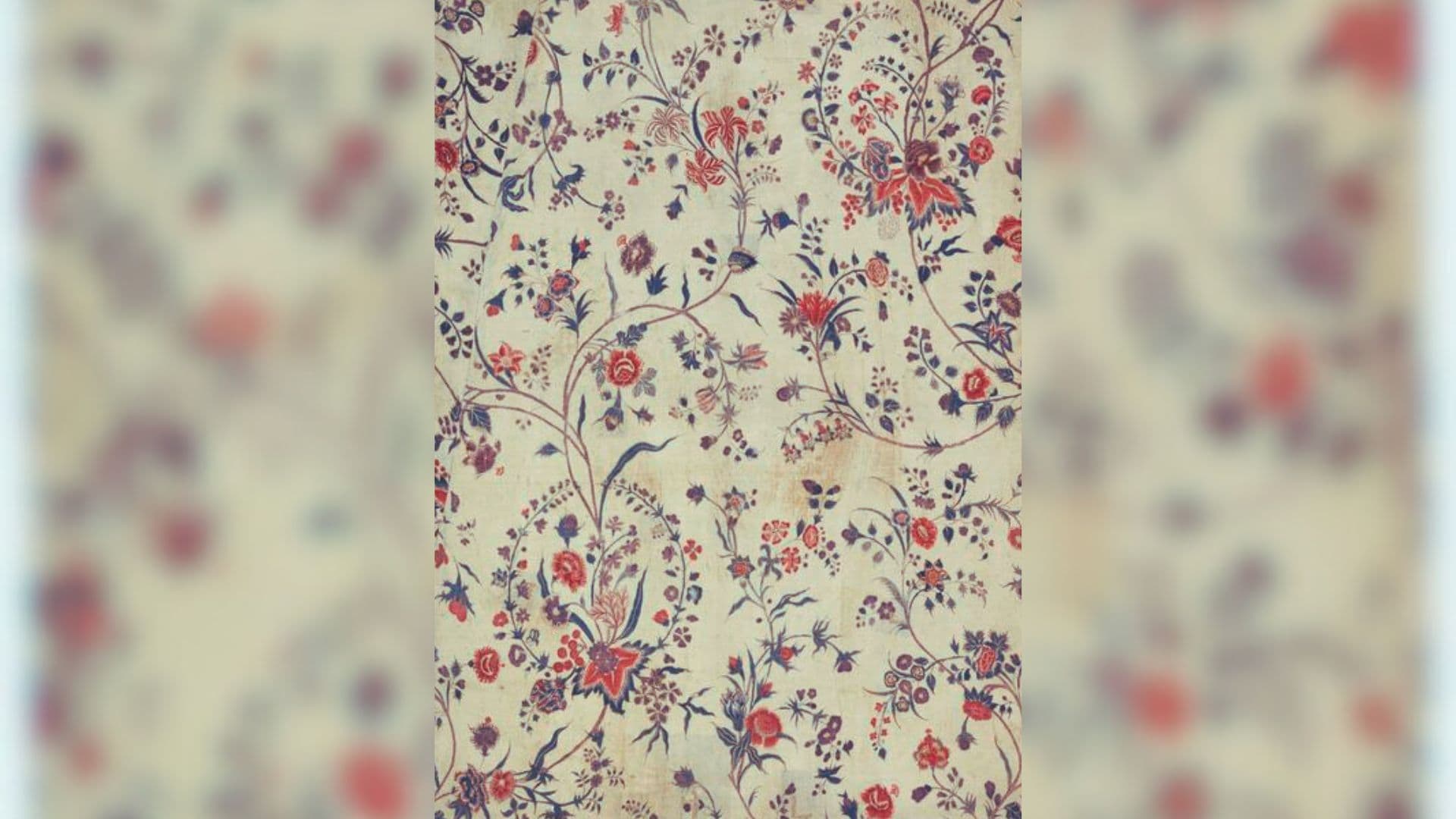
The Delicate European Bloom — Soft and Subtle
When chintz gained popularity in Europe, Indian artisans adapted their designs. Patterns grew smaller, more scattered, and less structured — a delicate aesthetic tailored to European tastes.
These refined designs transformed chintz into an essential part of 18th-century European fashion and décor.
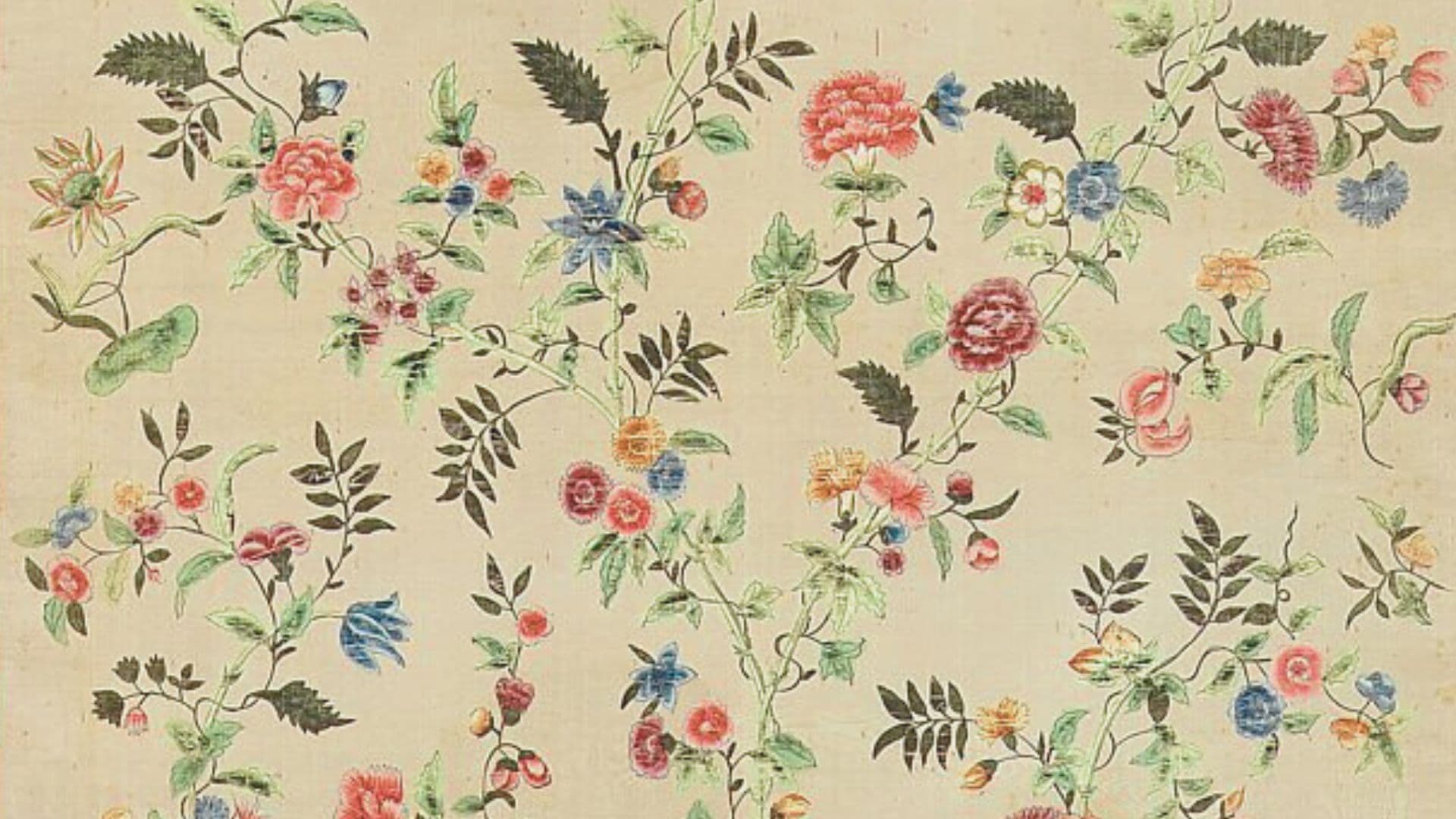
A Fusion of Styles — Where East Meets West
By the 18th century, Indian artisans had masterfully combined their bold, Indian florals with softer, European-inspired patterns. This fusion of styles created light, airy designs that enchanted consumers worldwide.
Blending heritage with innovation, these mixed motifs became the hallmark of chintz’s lasting legacy.
From rich red roses to twisting vines, from exotic birds to paisley patterns, floral motifs turned chintz into a timeless canvas of cultural exchange. Each flower whispers a story — of trade routes, artistic brilliance, and generations of skilled artisans who made cotton bloom with beauty. Check out the new Chintz collection from Peepul Tree here


Pure Cotton Door Curtain in 7ft | Set of 3 Assorted Curtains in Ivory | Navy Blue and Maroon | Gentle Machine Wash or Hand Wash | Chintz Collection - 7ft / Cotton / Navy White Maroon

Curtain set of 2 Handwoven and 1 Sheer Curtain made with Pure cotton | Off White and Navy | 7 Feet | Set of 3 Curtains

Cotton Cushion Cover Combo Set of 3 in Ivory Maroon and Navy Blue Colours | 16 x 16 inches

Pure Cotton Cushion Cover 16 inch x 16 inch for living room sofa or bed room | Navy Blue Maroon and Ivory Colour | Pack of 1 or 2 or 4

Quilted Bedcover Handprinted in Brick red and Navy colour| Can be used as AC Blanket | Pure Cotton| Artisanal product from Jaipur

Pure Cotton Rug in size 3X5ft in Coral and Teal | Ideal for Living Room or Bedroom | Dry Clean only | Chintz Collection - 3 ft x 5 ft / Cotton / Maroon, navy and green
You May also Like
Benefits of Choosing Eco-Friendly Home Decor
• By Anamika
• 2026-01-07
Why choose Handmade Products over Mass-Produced Products
• By Anamika
• 2026-01-07
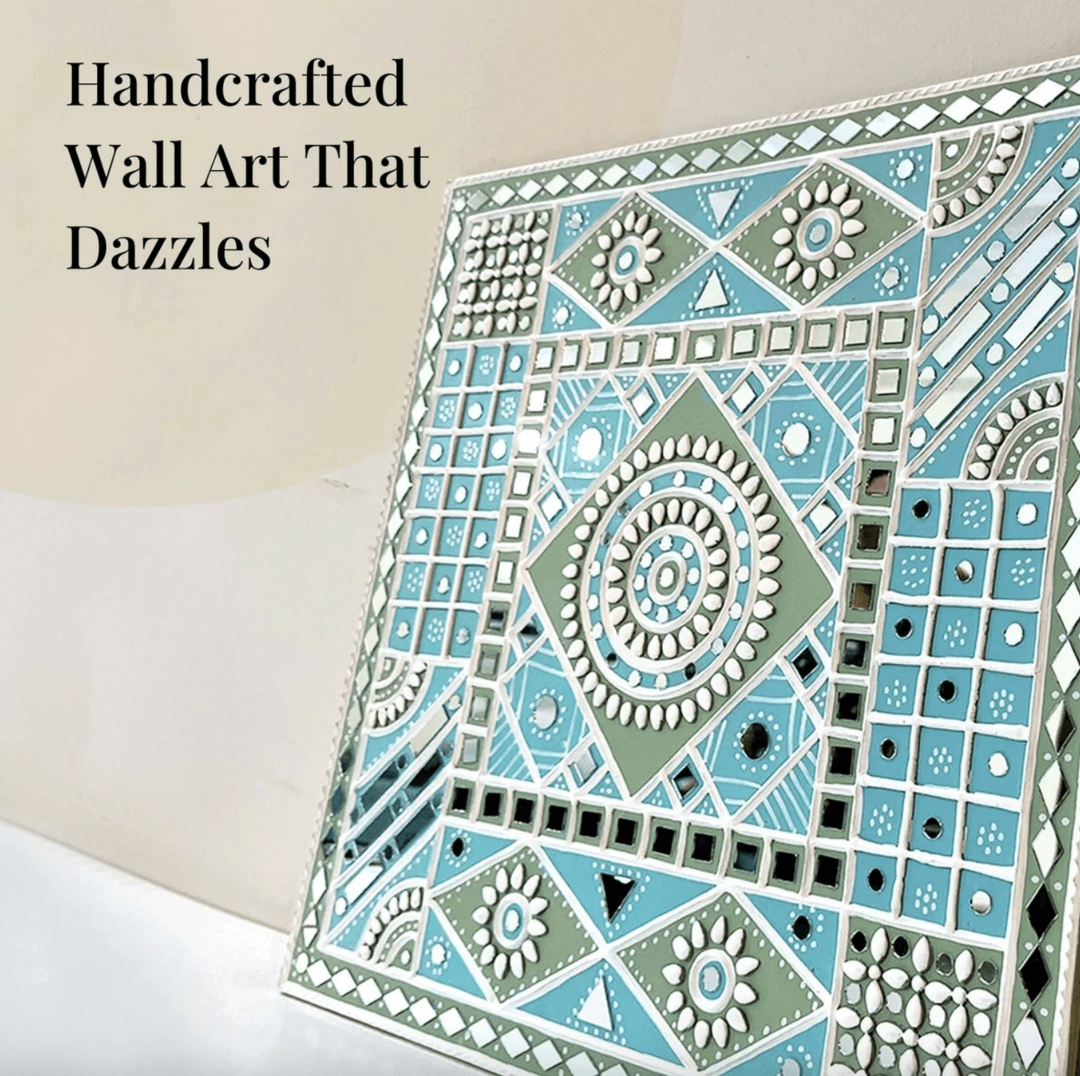
Lippan Art vs Other Indian Wall Arts: Key Differences & Which Is Best for Your Home
• By Richa Kumari
• 2026-01-02
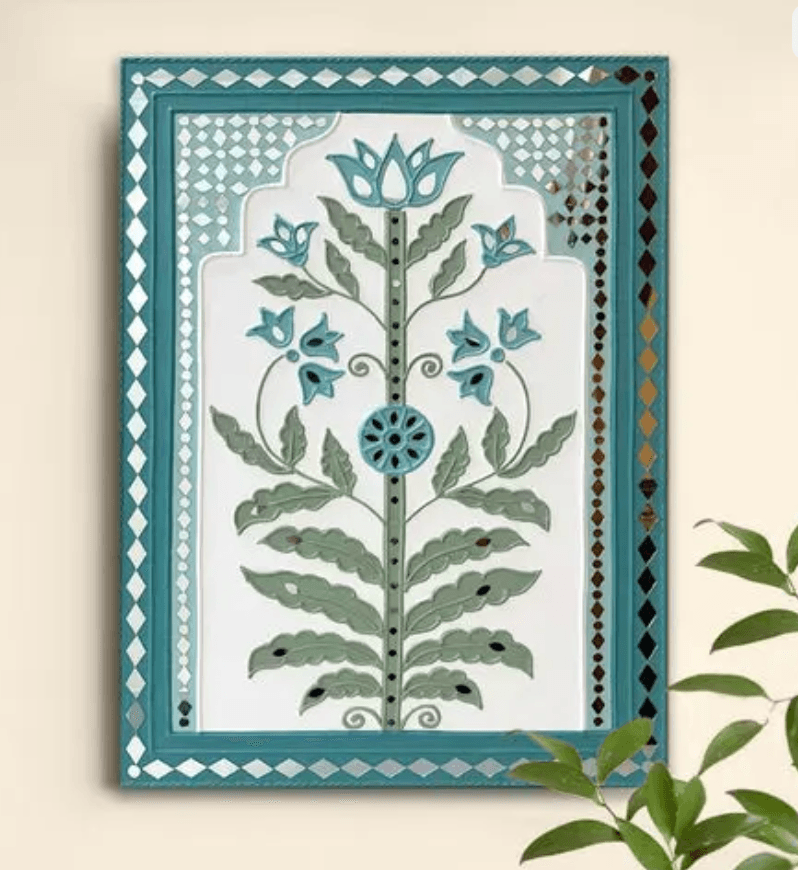
How to Choose the Right Lippan Art Size for Your Wall | Expert Sizing Guide
• By Richa Kumari
• 2026-01-02
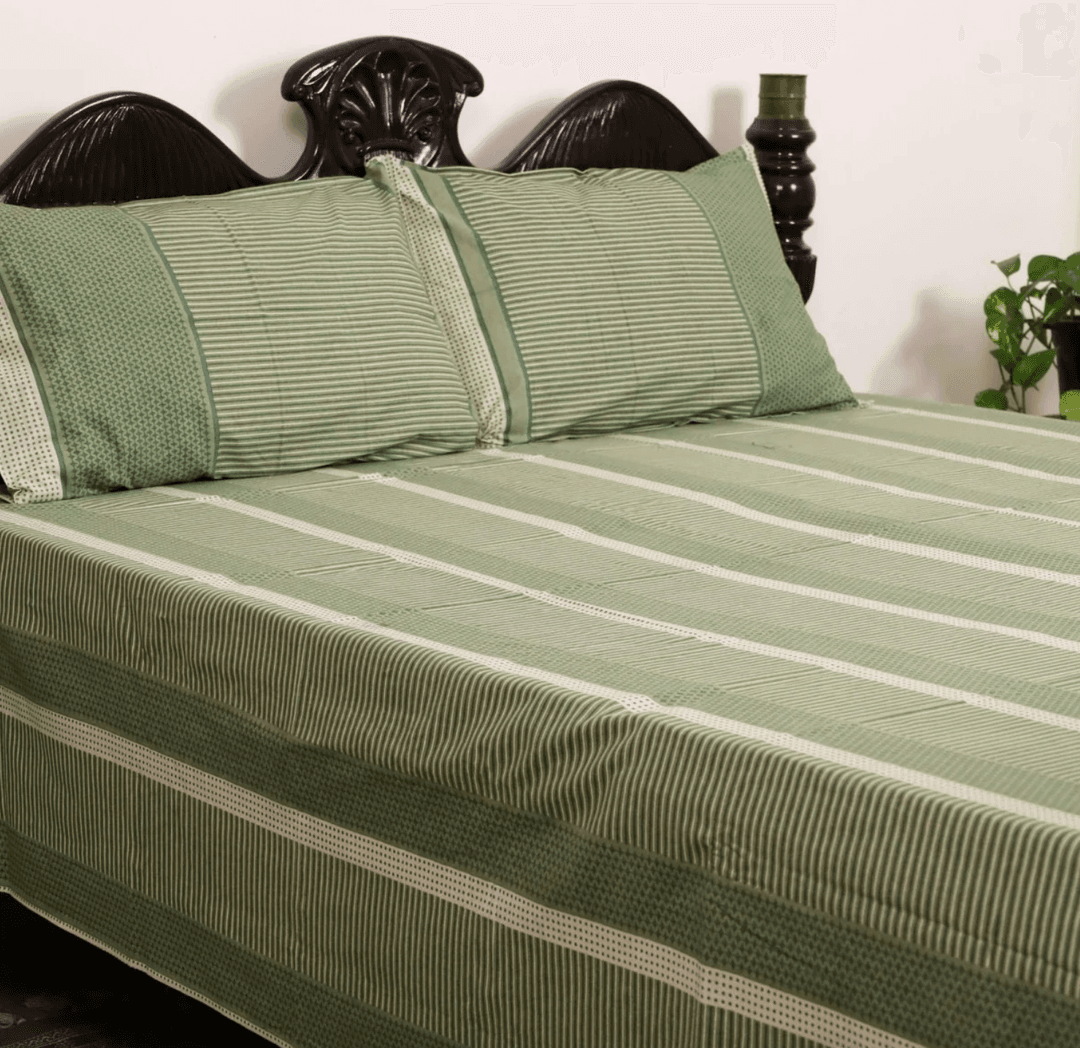
How to Select the Right Bedsheet for Summer, Winter & Monsoon
• By Richa Kumari
• 2026-01-02
 Free DeliveryAcross India
 100%Hand-crafted
 COD Available
 Easy Returns