


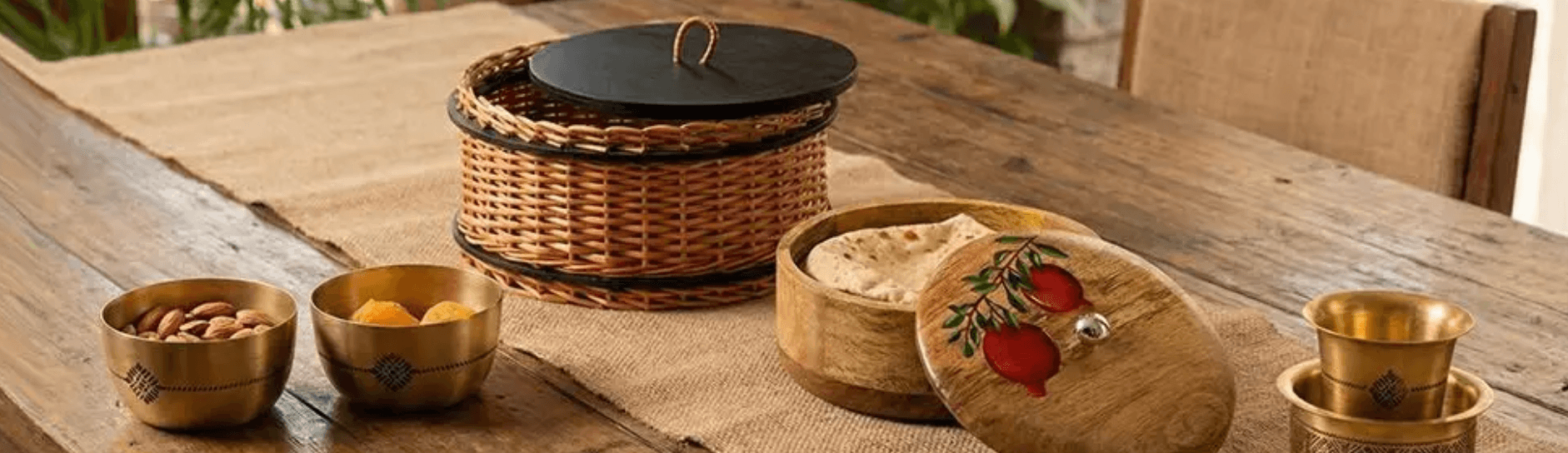


Why choose Handmade Products over Mass-Produced Products
• By Anamika
• 2026-01-07
• 11 mins read
In a world where almost everything is available instantly, choosing something handmade feels like a quiet, deliberate decision. Most homes today are filled with objects that were produced quickly, shipped in bulk, and designed to appeal to as many people as possible. These products serve a purpose, but they often lack a sense of connection.
Handmade products invite a different relationship. They carry time, effort, and intention. They are shaped by human hands rather than machines, and that difference is felt, even if it is not always consciously noticed. Choosing handmade over mass-made is not about rejecting convenience. It is about choosing meaning alongside function.
This shift is not sudden or dramatic. It is gradual, thoughtful, and deeply personal.
Understanding Handmade Craftsmanship
Handmade products are created primarily by human skill rather than automated machines. This does not mean that no tools are used, but the process is guided by the maker’s hands, judgement, and experience.
A handmade product usually involves:
- Manual shaping, carving, weaving, printing, or casting
- Decisions made during the process, not fixed by software
- Small variations that reflect the maker’s technique
- Time-intensive methods that cannot be rushed
Unlike factory production, handmade work adapts as it is being made. The artisan responds to the material, the weather, and the behaviour of tools. This flexibility is what gives handmade products their character.
Understanding Mass-Made Production
Mass-made products are created using machines designed to produce thousands of identical items in the shortest possible time. Consistency and speed are the priorities.
Mass production typically involves:
- Automated processes Manufacturing relies heavily on machines that run continuously to maximise output. Human involvement is limited to monitoring or assembly, which prioritises speed and efficiency over craft, touch, or adaptation.
- Standardised materials Raw materials are selected for uniformity, cost efficiency, and compatibility with machines. This ensures predictability in production but often limits material quality, texture, and character.
- Fixed measurements and templates Products are designed to follow exact specifications so they can be replicated thousands of times without deviation. While this ensures consistency, it removes flexibility and the ability to respond to subtle differences in use or environment.
- Minimal variation between pieces Each item is intended to look and feel identical to the next. Surface finishes, proportions, and details are tightly controlled, leaving no room for natural irregularities or individual expression.
This system makes products affordable and widely available. It serves large populations efficiently. However, the process removes the possibility of individuality. Every item looks and feels the same, regardless of where it is used.
Why Mass-Made Products Often Feel Disposable?
Mass-made products are designed for replacement. Trends change quickly, and products are updated to encourage frequent buying. When something is easy to replace, it is also easy to discard.
Common characteristics of mass-made products include:
- Short design cycles
- Trend-led aesthetics
- Materials chosen for cost efficiency
- Limited repairability
Because these products are identical, they rarely develop emotional value. Once they wear out or go out of style, there is little reason to keep them.
Why Do Handmade Products Feel More Personal?
People often say handmade products feel warmer or more meaningful. This reaction comes from several subtle factors.
- First, handmade objects show evidence of effort. Slight irregularities in shape, texture, or finish signal that a human being was involved. These details remind us that the object was not rushed through a machine.
- Second, handmade products often carry cultural or regional identity. They reflect where they were made, the materials available, and the traditions behind them. This gives them a sense of place.
- Third, knowing that a real person made something changes how we value it. We handle it with more care. We keep it longer. We attach memories to it.
How Handmade Products Are Made More Slowly?
Handmade production follows a different rhythm. Time is not an obstacle; it is part of the process.
For example:
- A hand-printed textile may take days of preparation before printing begins
- A metal craft object may require multiple stages of moulding and cooling
- A woven product depends on steady, repetitive motion rather than speed
This slower pace allows for attention to detail. It also means that production cannot be scaled endlessly. The value of handmade lies partly in its limits.
Why Handmade Products Often Last Longer?
Durability is not just about material strength. It is also about intention. Handmade products are often made to be used for years. Artisans choose techniques that prioritise longevity because their reputation depends on it. A poorly made product reflects directly on the maker.
In contrast, mass-made products are designed to meet minimum durability standards. Their lifespan is calculated, not personal. When something is made with care, it tends to be cared for in return.
Supporting Skills and Livelihoods Through Handmade
Behind every handmade product is a person or a small group of people whose skills have been developed over years, sometimes generations.
Supporting handmade means:
- Sustaining traditional skills
- Providing income beyond seasonal labour
- Encouraging younger generations to continue craft practices
Many craft traditions survive only because there is still demand for handmade work. When demand disappears, skills disappear with it.
Why Are Handmade Products Often More Sustainable?
Handmade production is naturally low-impact.
It usually involves:
- Smaller production batches Artisans produce in limited quantities, often working on one piece or a small set at a time. This prevents overproduction, reduces unsold inventory, and avoids the resource waste that comes with mass-manufactured excess.
- Less energy consumption Most handmade processes rely on manual skill or simple tools instead of heavy machinery. There are no energy-intensive factory floors running continuously, which significantly lowers electricity and fuel usage.
- Minimal packaging Handmade products are typically packed only for protection, not for shelf appeal. This means fewer plastic layers, less printed material, and packaging that is often reusable or recyclable.
- Local material sourcing Artisans usually work with materials that are available nearby. This reduces transportation emissions and supports regional supply networks instead of long, carbon-heavy global logistics chains.
Many artisans work with natural or recycled materials because that is what is accessible and affordable. Waste is reduced because materials are valued. Mass production, by contrast, often relies on long supply chains, high energy use, and large volumes of waste.
The Emotional Value of Handmade Objects
People tend to form stronger emotional bonds with handmade products. These objects become part of daily life rather than background items.
Handmade products often become:
- Heirlooms passed down
- Gifts remembered for years
- Objects associated with specific moments
This emotional durability is something machines cannot produce. It comes from the human connection embedded in the object.
How to Start Choosing Handmade Without Overdoing It?
Transitioning to handmade does not require replacing everything at once. Small, intentional choices are enough.
A simple approach is to:
- Choose one handmade piece per room
- Prioritise items you touch or use daily
- Invest slowly rather than impulsively
For example, begin with a piece that sets tone and texture - like a handprinted monochrome cotton rug that works beautifully in both the living room and bedroom
Why Are People Choosing Handmade Again?
The renewed interest in handmade is not a trend. It is a response. A response to sameness, speed, and spaces that feel assembled rather than lived in.
This shift is driven by:
- Desire for authenticity People want objects that feel real, not replicated. Handmade pieces carry visible marks of the human hand, small variations that signal effort, intention, and individuality. These imperfections make a space feel personal rather than curated to match a catalogue.
- Awareness of sustainability Buyers are becoming more conscious of where products come from, how they are made, and what impact they leave behind. Handmade often aligns with lower environmental impact, local sourcing, and slower production cycles, making it a more responsible choice.
- Appreciation for craftsmanship There is a growing respect for skill built over time. Handmade objects represent knowledge passed down through generations, patience in process, and mastery that machines cannot replicate. Owning such pieces feels meaningful, not disposable.
At its core, this return to handmade reflects a desire to slow down. To choose fewer things, but choose them well. To surround oneself with objects that have purpose, story, and presence, rather than products designed only for speed and scale.
How to Identify Genuine Handmade Products?
Not everything labelled handmade truly is. Knowing what to look for helps.
Signs of genuine handmade include:
- Minor variations in pattern or shape
- Visible tool marks
- Natural material textures
- Limited stock availability
Perfect uniformity is usually a sign of machine production.
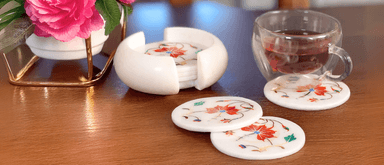

Rust & Off White Cotton Bedsheet with Pillow Cover | Marigold Collection - 90 x 108 Inches / Pure Cotton / Rust & Off White

Curtain set of 2 Handwoven and 1 printed Curtain made with Pure cotton | Rust and Maroon | 7 Feet | Set of 3 Curtains

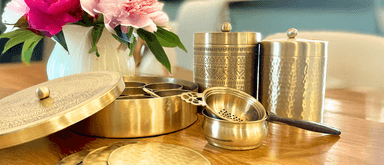
Premium Brass Kitchen Masala and Spice Box with detachable containers| Organise Your Spices with Style| 100% pure brass

Dhokra Metal Handmade Owl Showpiece| H- 3.5 inches x W- 2.5 inches| Brass

Coffee Dabara Set made with Pure Brass in a Kanjeevaram design theme

Coffee Dabara Set made in Steel with Enamel work in a Kanjeevaram design theme| Coffee Mug & Bowl
You May also Like
Benefits of Choosing Eco-Friendly Home Decor
• By Anamika
• 2026-01-07
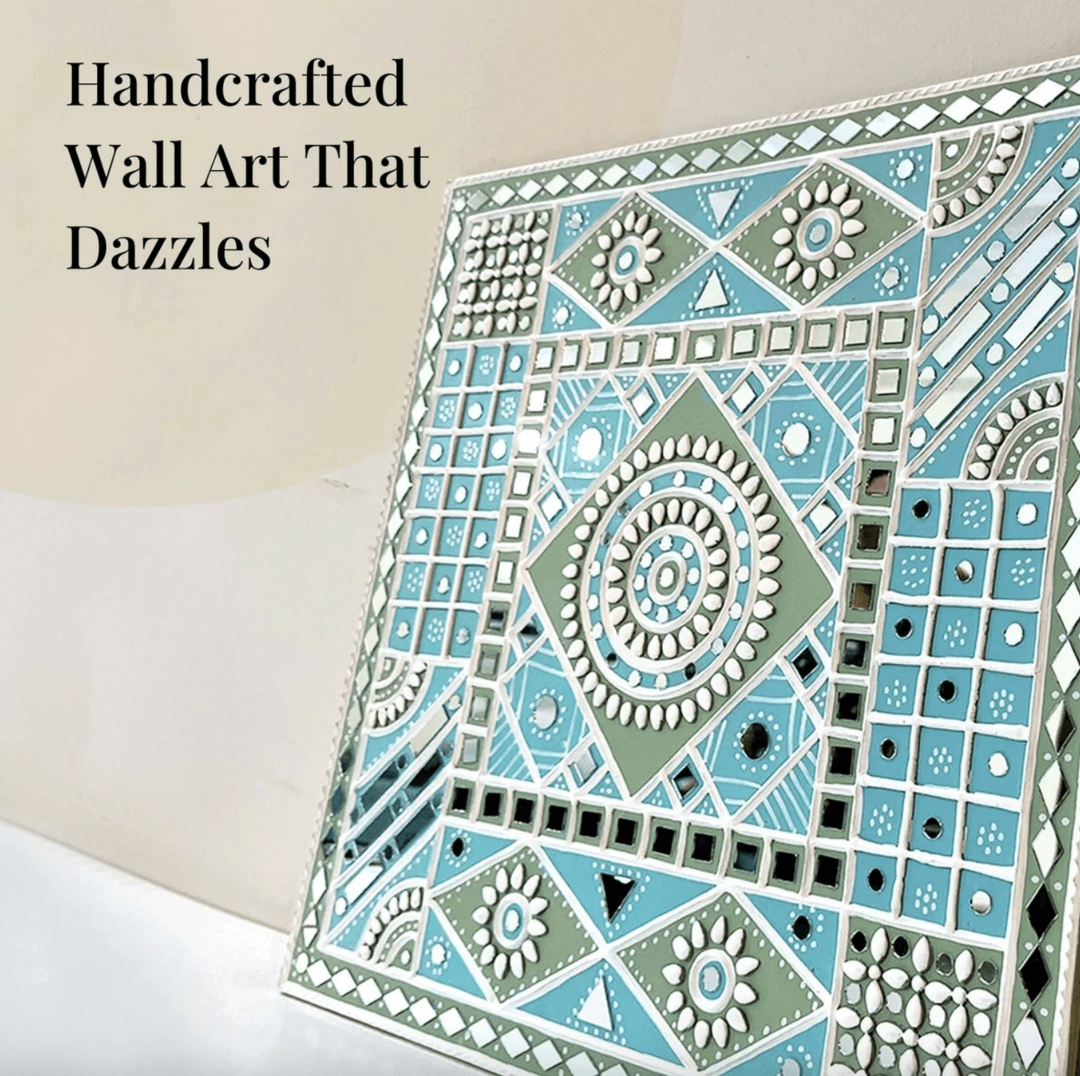
Lippan Art vs Other Indian Wall Arts: Key Differences & Which Is Best for Your Home
• By Richa Kumari
• 2026-01-02
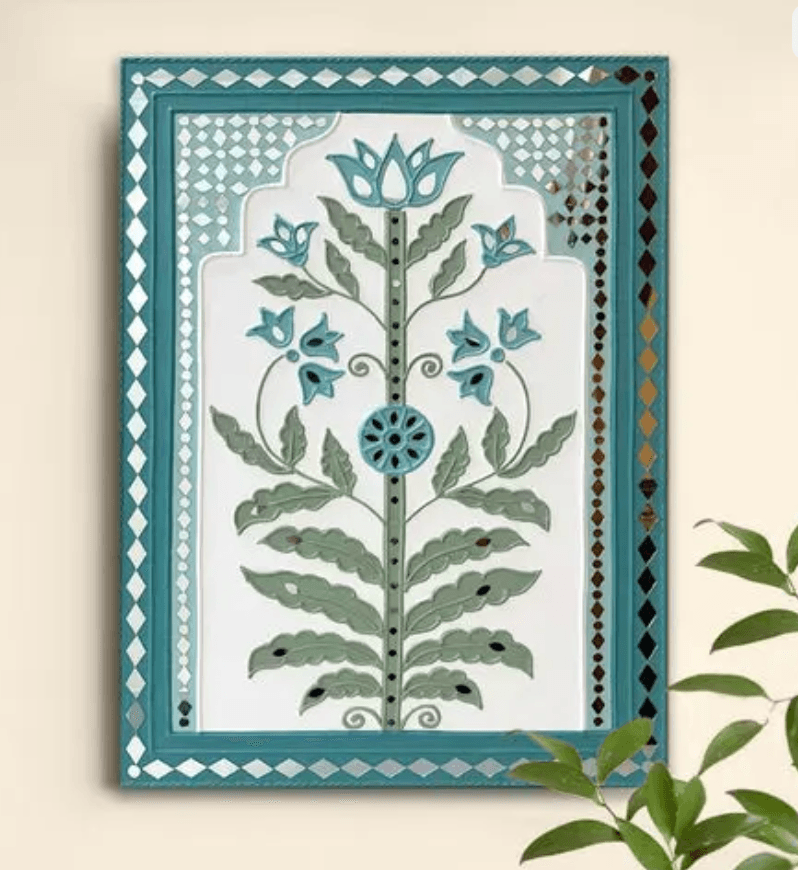
How to Choose the Right Lippan Art Size for Your Wall | Expert Sizing Guide
• By Richa Kumari
• 2026-01-02
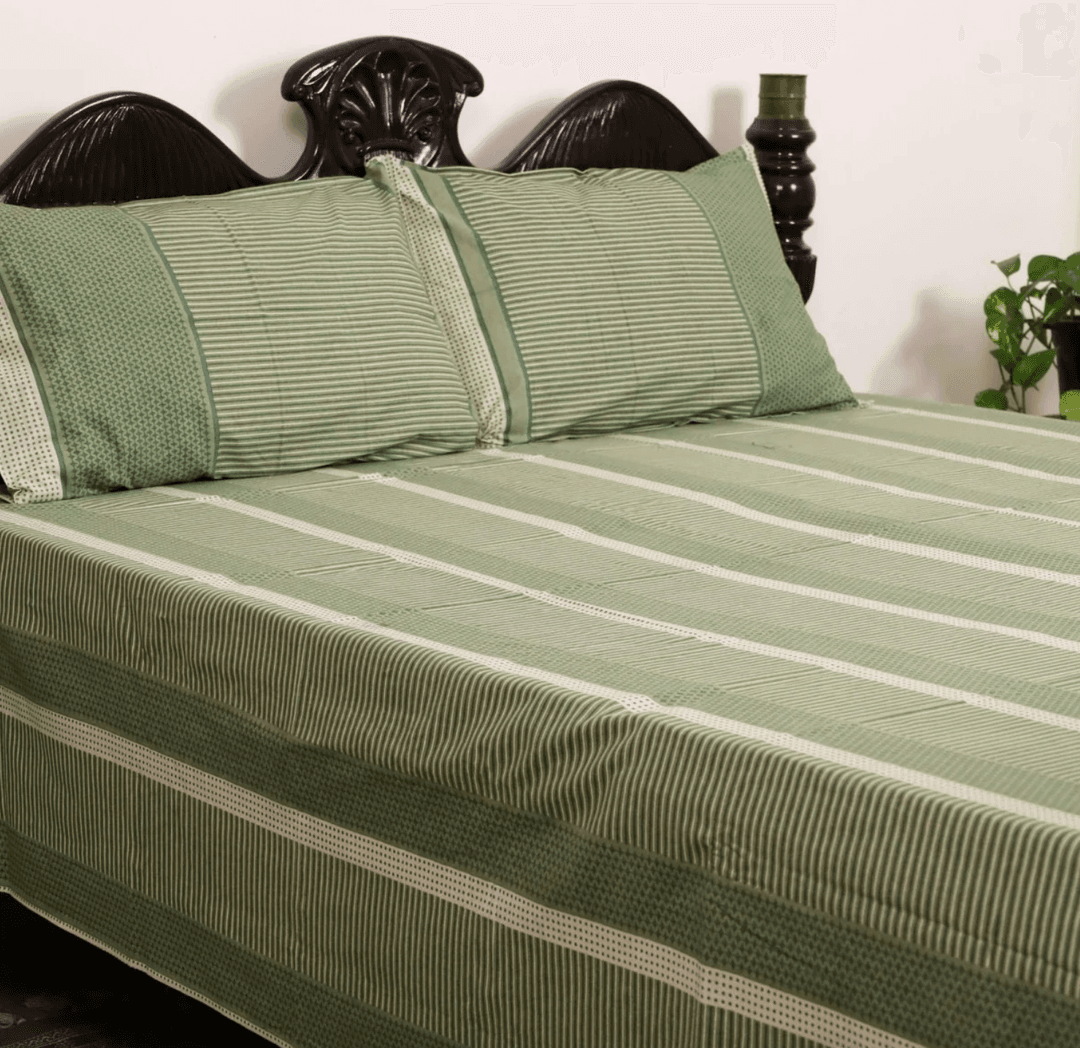
How to Select the Right Bedsheet for Summer, Winter & Monsoon
• By Richa Kumari
• 2026-01-02
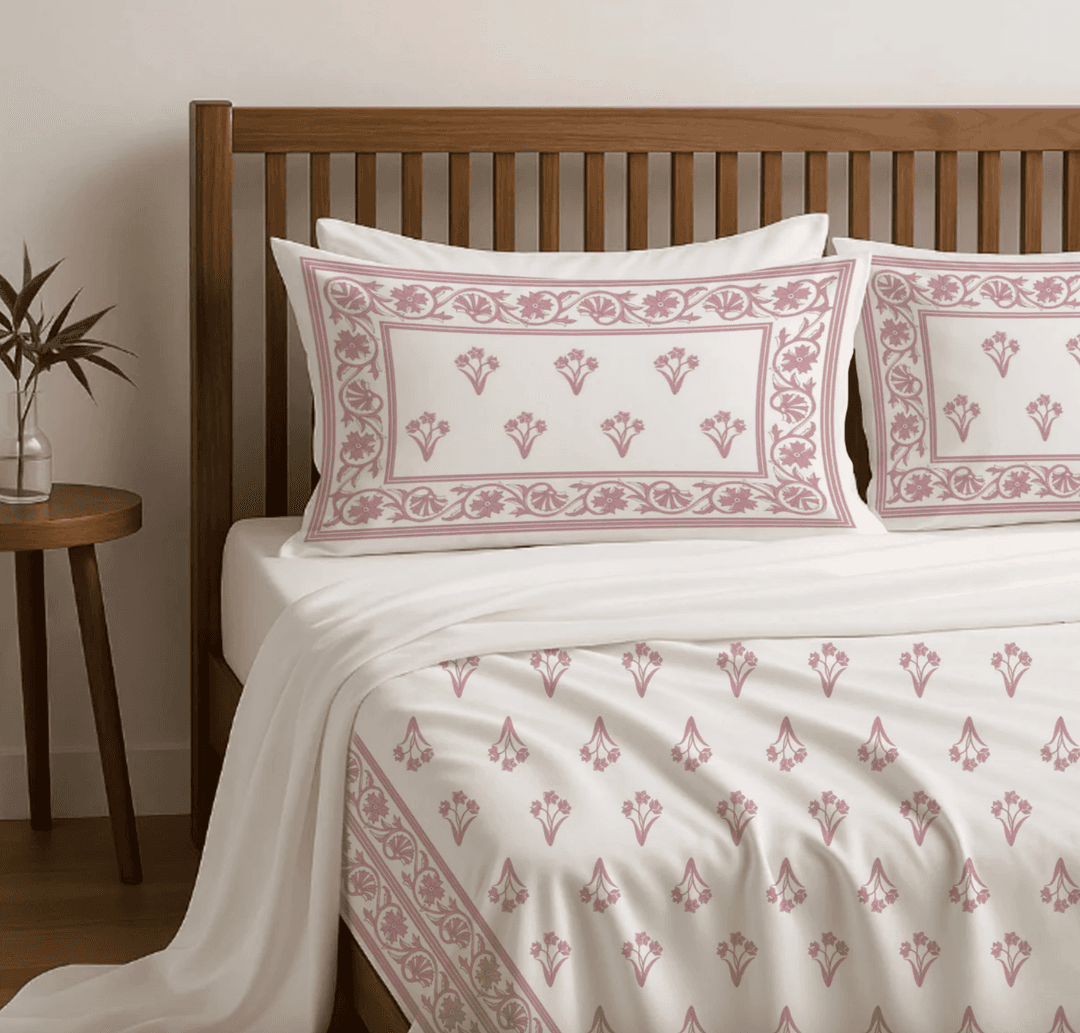
Bed Sheet vs Bedspread: Key Differences & How to Choose the Right One
• By Richa Kumari
• 2026-01-02
Frequently Asked Questions (FAQs)
Is handmade always better than mass-made?
Not always. Handmade is better when you value individuality, craftsmanship, and longevity. Mass-made works well for purely functional needs.
1) Why do handmade products cost more?
They take more time, skill, and labour. You are paying for human effort, not automation.
2) Are handmade products durable?
Yes, many handmade products are extremely durable because artisans prioritise quality and reputation.
3) Can handmade work in modern homes?
Absolutely. Handmade adds warmth and texture to modern, minimal spaces when used thoughtfully.
4) How do I know if something is truly handmade?
Look for small variations, natural materials, limited stock, and transparency about the maker and process.
 Free DeliveryAcross India
 100%Hand-crafted
 COD Available
 Easy Returns