


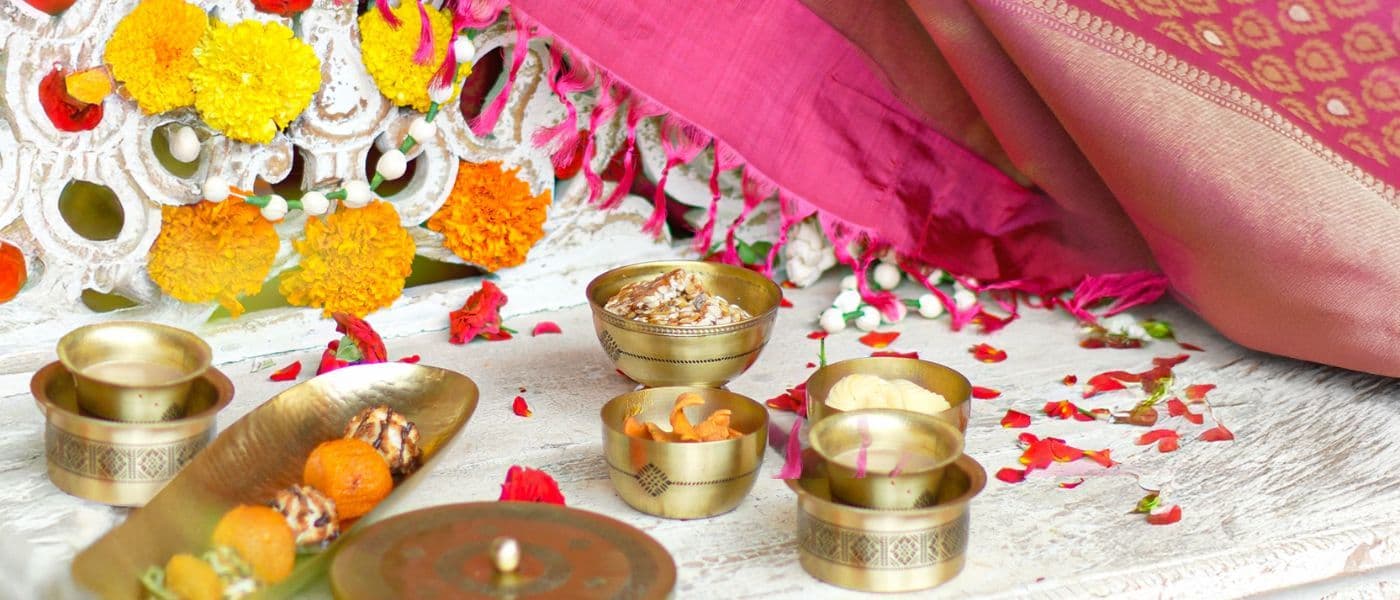


From Temples to Textiles — and Now to Tableware
• By Mini Menon
• 2025-10-03
• 3 mins read
A Journey Through Indian Motifs
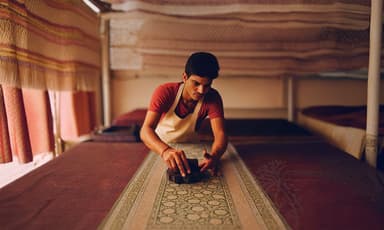
In Indian tradition, art is not confined to one form or medium—it flows across centuries, seamlessly weaving through architecture, sculpture, textiles, and everyday objects. I first noticed this incredible continuity while travelling through some of India’s most historic cities - Kanchipuram in Tamil Nadu, Banaras in Uttar Pradesh, Bishnupur in Bengal, and Patan in Gujarat - while filming a documentary series on the textiles that once made India world-renowned.
What struck me most was how motifs and symbols had journeyed through time and across materials. From the carved walls of ancient temples and mosques to the vibrant looms of weavers, the same patterns echoed, unchanged in their essence but beautifully reimagined in each new context.
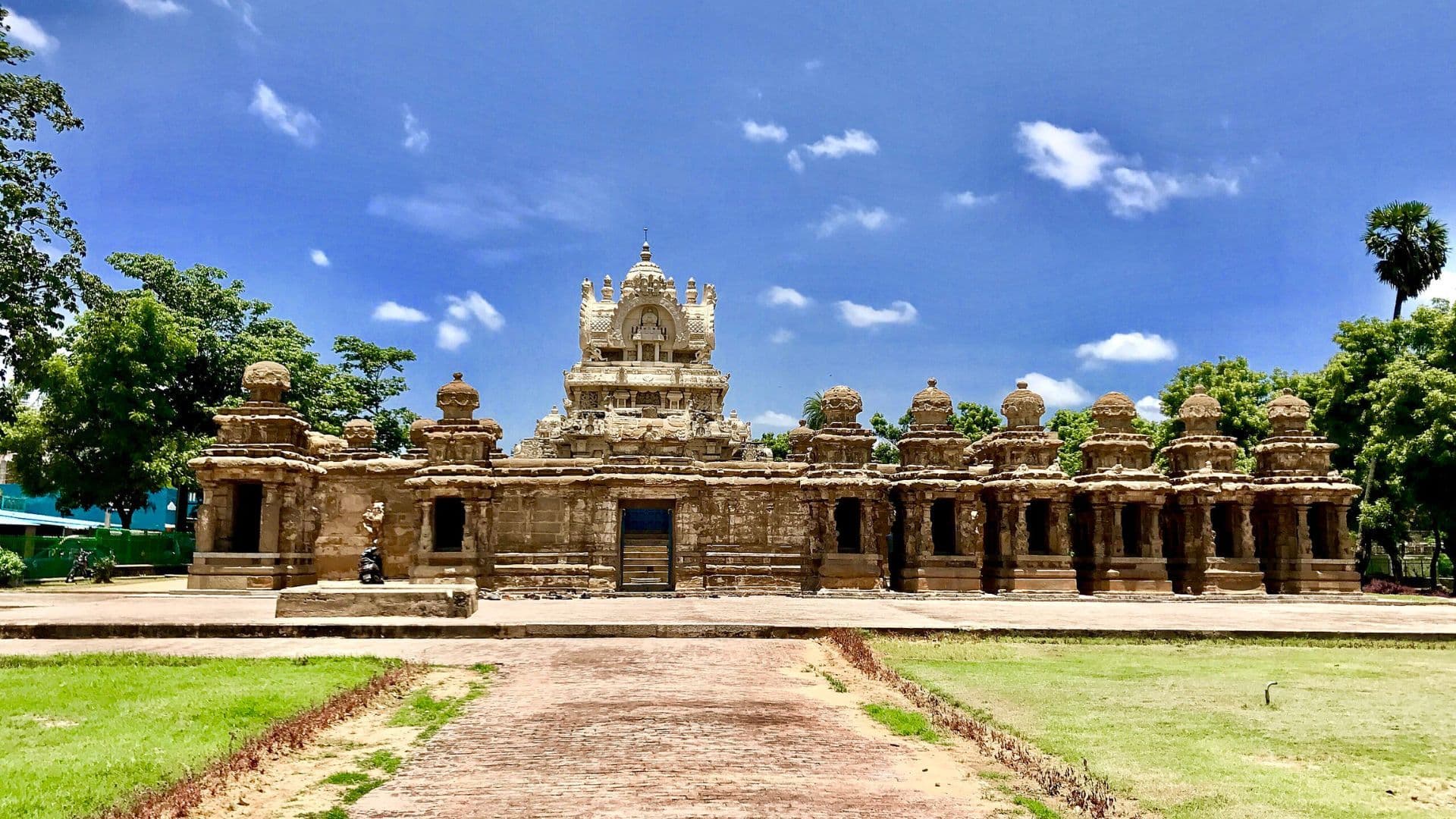
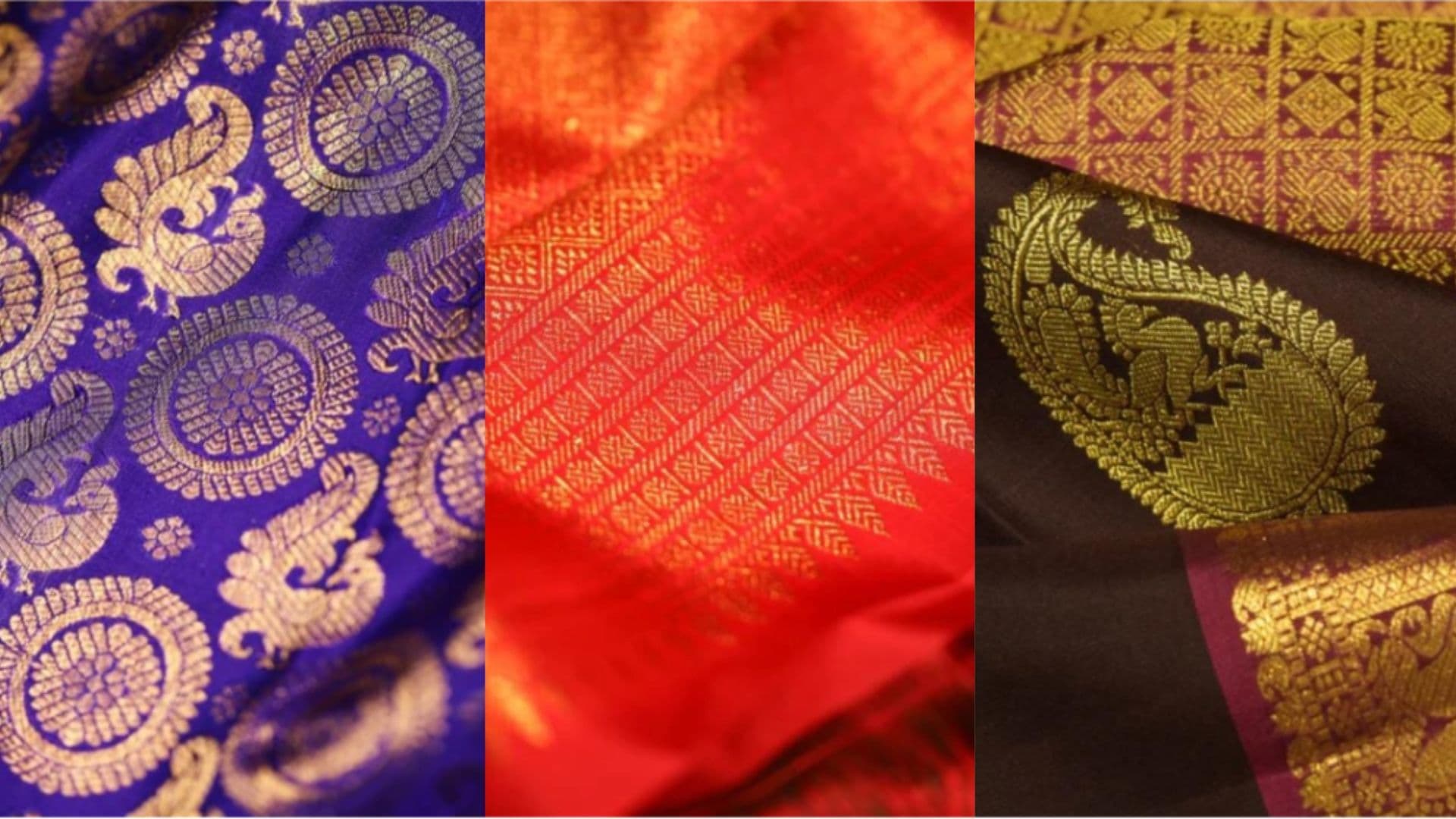
Take Kanchipuram, for instance, the ancient capital of the powerful Pallavas from as early as the 6th century CE. The city’s magnificent temples don’t just dominate the skyline; they’ve also left an indelible mark on the iconic Kanjeevaram sari. Look closely at a traditional sari border, and you’ll see familiar motifs: the steeples of temples, the Rudraksham (sacred seeds associated with Lord Shiva), the Thamarai (lotus, symbol of purity and rebirth), the Mayil (peacock, embodiment of grace and divinity), and Pookal (floral patterns that echo devotional offerings).
These timeless symbols have now inspired our latest creation.
A Tribute in Metal: The Kanjeevaram-Inspired Serveware Collection
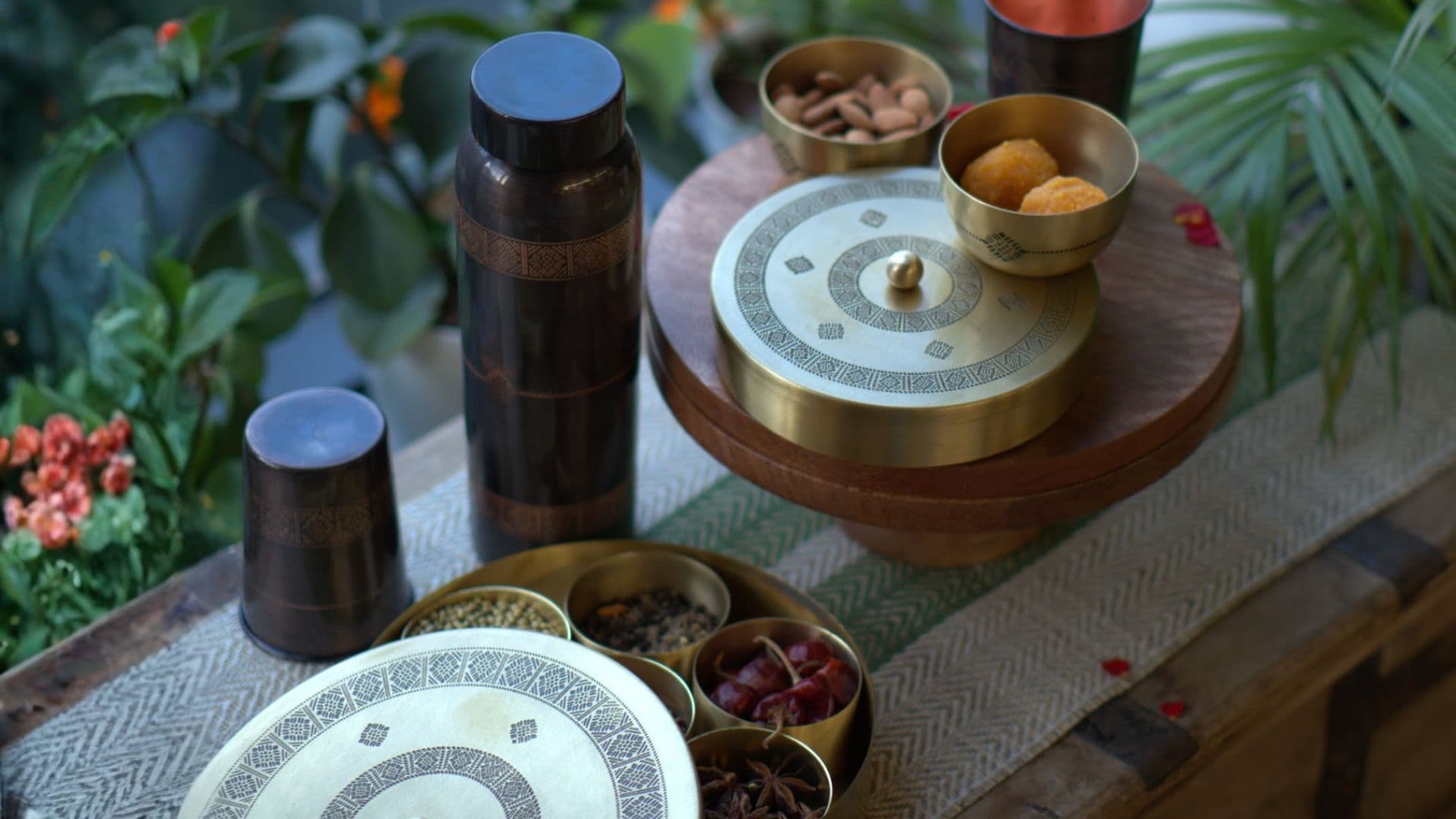
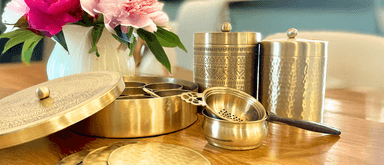
At Peepul Tree, we’re proud to introduce a new collection of handcrafted metal serveware that pays homage to the legacy of Kanjeevaram. Drawing directly from the motifs that define its famed saris, this collection reinterprets those same elements—Rudraksham, Thamarai, Pookal, and more—through the artistry of metalwork that Moradabad is famous for!
Each piece in this collection is crafted in lustrous brass, copper, or steel, and features finely etched designs that carry the spirit of both temple and textile. It’s a centuries-old visual language, now expressed in a form meant for your everyday rituals and celebrations.
This collection is more than serve ware—it’s a celebration of how tradition lives on, constantly evolving while staying deeply rooted in meaning.
A Living Heritage, Brought Home
At Peepul Tree, we are continually inspired by India’s vast cultural legacy and the skilled hands that bring its stories to life. Through collections like this, we connect crafts across regions and generations—bridging timeless artistry with contemporary design, and bringing the soul of India’s artisanal heritage into your home.


You May also Like
Benefits of Choosing Eco-Friendly Home Decor
• By Anamika
• 2026-01-07
Why choose Handmade Products over Mass-Produced Products
• By Anamika
• 2026-01-07
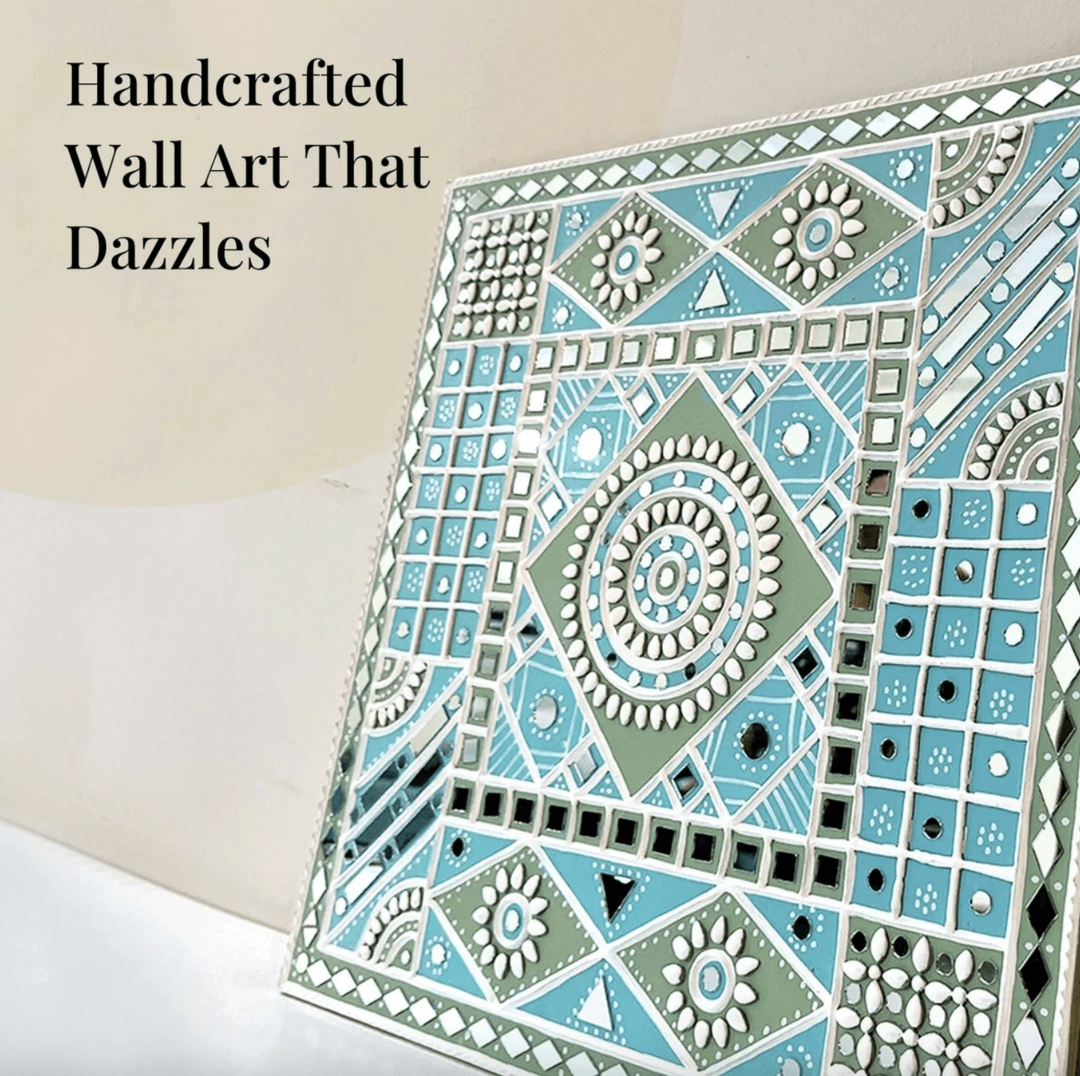
Lippan Art vs Other Indian Wall Arts: Key Differences & Which Is Best for Your Home
• By Richa Kumari
• 2026-01-02
How to Choose the Right Lippan Art Size for Your Wall | Expert Sizing Guide
• By Richa Kumari
• 2026-01-02

How to Select the Right Bedsheet for Summer, Winter & Monsoon
• By Richa Kumari
• 2026-01-02
 Free DeliveryAcross India
 100%Hand-crafted
 COD Available
 Easy Returns