


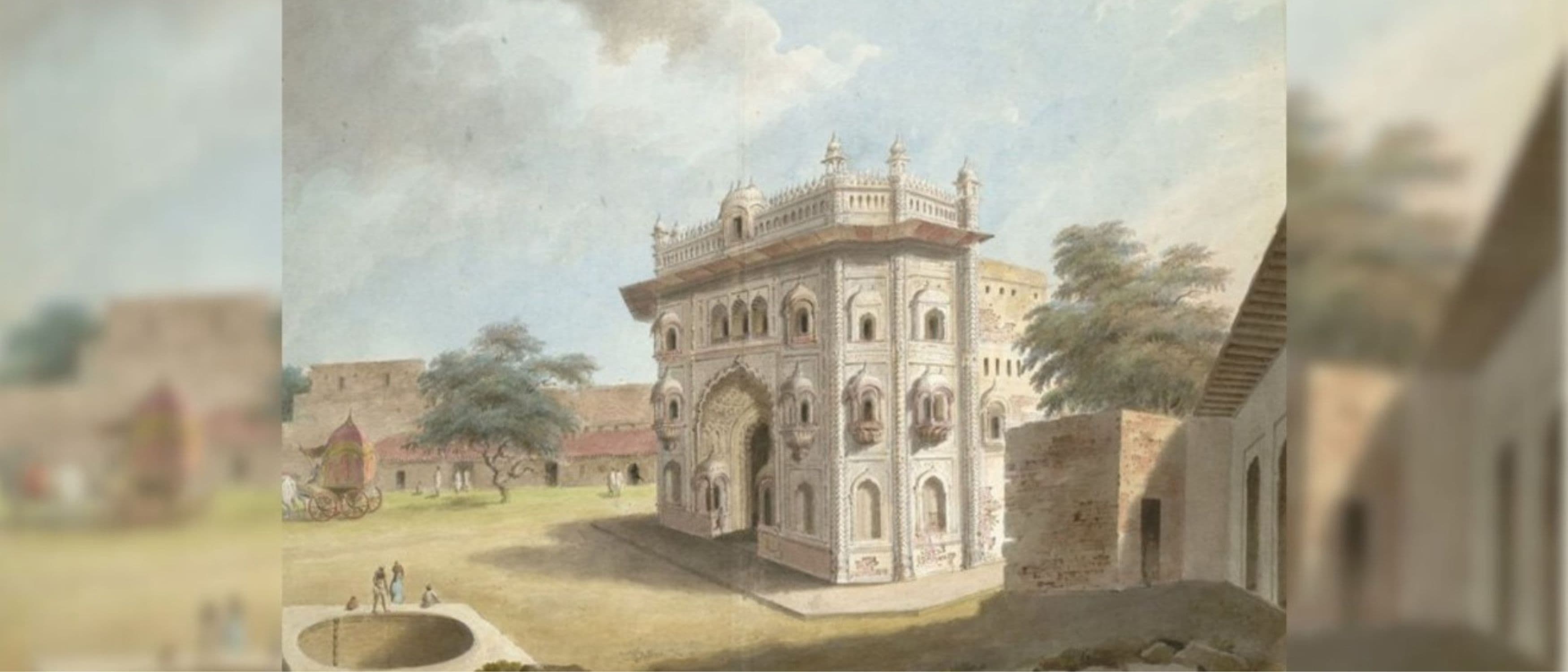


Amroha: The Town Where Threads of History and Heritage Intertwine
• By Peepul Tree Stories
• 2025-03-03
• 5 mins read
You may not be able to spot Amroha, a town in Uttar Pradesh, on the map. In fact, if you visit, there’s little to indicate its once-important past. But dig a little deeper, and you’ll find an intriguing connection to its royal legacy—small boroughs where the rhythmic rattle of handlooms tells a story.
The famous handwoven fabrics of Amroha narrate the town's vibrant history. About 200 years ago, this was the capital of the powerful Rohillas. Originally Afghan mercenaries, the Rohillas carved out a kingdom in western Uttar Pradesh, encompassing present-day Moradabad, Amroha, Rampur, and Pilibhit. During their reign, many artisans, including weavers, flourished.
While this is documented history, Amroha’s story begins much earlier, rooted in mythology and shrouded in the mists of time.
Of Myths & Mangoes
According to local lore, Amroha derives its name from "Amrovanam," Sanskrit for "the region of mangoes," or from the combination of "am" (mango) and "rohu" (a type of fish). Another legend ties its origin to Raja Amarjoda, a mythical ruler of the Bansi dynasty in 474 BCE. While Amarjoda’s existence is not historically verified, these stories reflect the town’s deep cultural roots.
In recorded history, Amroha came into prominence in the 13th century as a significant seat of Sufi traditions.
It is said that Hazrat Sharfuddin Shah Wilayat, a 13th-century Shia Naqvi saint, migrated from Wasit, Iraq, and settled in Amroha, transforming it into a spiritual hub. His dargah remains a revered site, shrouded in legends of mystical powers.
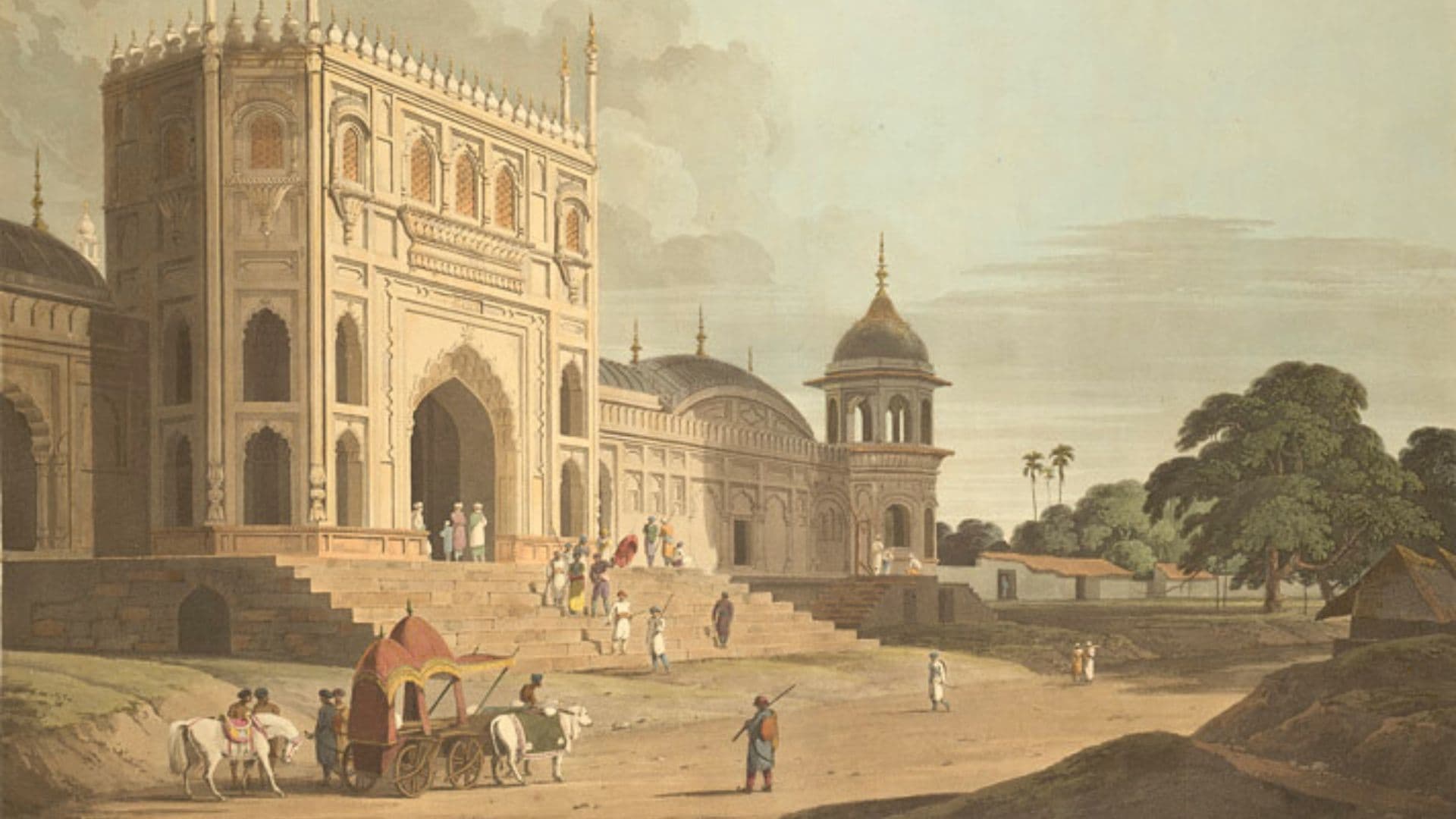
The Jama Masjid at Pilibhit
The Jama Masjid Pilibhit
Amroha’s architectural landmarks offer glimpses of its rich past. The Moradabadi Darwaza, built in 1642 during Shah Jahan’s reign, stands as a testament to the town’s Mughal-era significance. Other notable structures include mosques, dargahs, imambaras, and temples that dot the landscape, showcasing Amroha’s syncretic culture and enduring legacy.
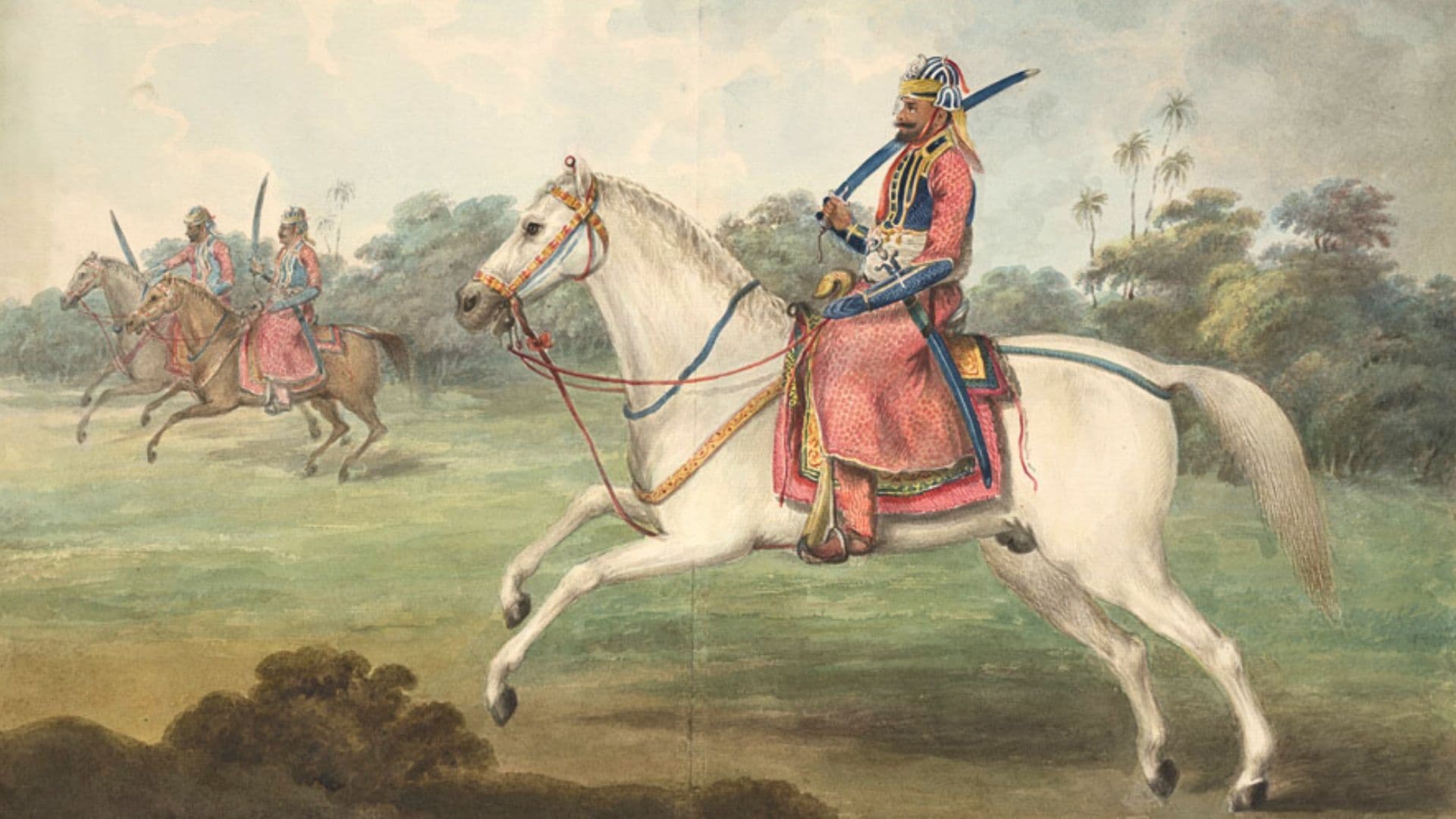
Painting of a Rohilla Horseman
Painting of a Rohilla Horseman
The Birth of Rohilkhand
Amroha’s prominence grew in the 18th century when it became an important qasba (market town) under the Rohillas. These Afghan mercenaries had settled in the region during the declining years of Mughal rule. The kingdom of Rohilkhand was established in 1721 by Nawab Ali Mohammed Khan, who unified the Rohilla clans and built a powerful Afghan kingdom. Under his leadership, Rohilkhand flourished as a center of culture and governance.
However, his untimely death in 1748 left Rohilkhand under the stewardship of Hafiz Rehmat Khan, a trusted regent, who struggled to maintain unity among the fractious Rohilla chiefs.

The Grave of Hafiz Rehmat Khan
The Grave of Hafiz Rehmat Khan
Hafiz Rehmat Khan and the Decline of Rohilkhand
Hafiz Rehmat Khan, a Pashtun leader and regent of Rohilkhand, played a key role in the region’s history after Ali Mohammed’s death. However, internal conflicts and external pressures led to the decline of Rohilkhand.
In 1774, during the First Rohilla War, Hafiz Rehmat Khan was killed by British forces allied with the Nawabs of Awadh. This marked the end of Rohilkhand as an independent kingdom. The remaining Rohilla territory was reorganized into the princely state of Rampur, which became a British protectorate.
Under the Nawabs, Rampur emerged as a prominent center for art, music, and craftsmanship. The Nawabs invited artisans and craftsmen to settle in Rampur, leading to the development of unique industries, including the famous Rampuri Chaku (dagger). Rampur also became renowned for the Rampur Gharana of Hindustani classical music and its distinctive cuisine.
The Nawabs collected rare and valuable manuscripts, many of which now form part of the Rampur Raza Library. In 1947, Rampur merged with the Indian Union, bringing the Rohilla legacy to an end.
Where History Meets Modernity
Amroha’s place in Rohilkhand’s history reflects its importance as a cultural and political crossroads. Today, its handlooms hum with the rhythm of tradition, and its past echoes in every corner, reminding us of the warriors, saints, and artisans who shaped its story.
You can shop for beautiful bedcovers and bedsheets handwoven by Amroha's skilled weavers on Peepul Tree.


Berry Toned Bed Cover| Handwoven Pure Cotton | Peepul Tree

Cotton Bed Cover In Beige And Leaf Green | Queen Size | Handmade In India - 92 x 102 inches / Pure Cotton / Beige and Leaf Green

Cotton Bedcover in Ivory and Taupe | Single and Queen Sizes | Pure Cotton

Cotton Bed Cover in Teal Colour Handwoven in Pure Cotton

Pure Cotton Bedsheet with 2 Pillow Covers Handprinted in Jaipuri Design of Teal Green and Off White
You May also Like
Benefits of Choosing Eco-Friendly Home Decor
• By Anamika
• 2026-01-07
Why choose Handmade Products over Mass-Produced Products
• By Anamika
• 2026-01-07

Lippan Art vs Other Indian Wall Arts: Key Differences & Which Is Best for Your Home
• By Richa Kumari
• 2026-01-02
How to Choose the Right Lippan Art Size for Your Wall | Expert Sizing Guide
• By Richa Kumari
• 2026-01-02

How to Select the Right Bedsheet for Summer, Winter & Monsoon
• By Richa Kumari
• 2026-01-02
 Free DeliveryAcross India
 100%Hand-crafted
 COD Available
 Easy Returns