


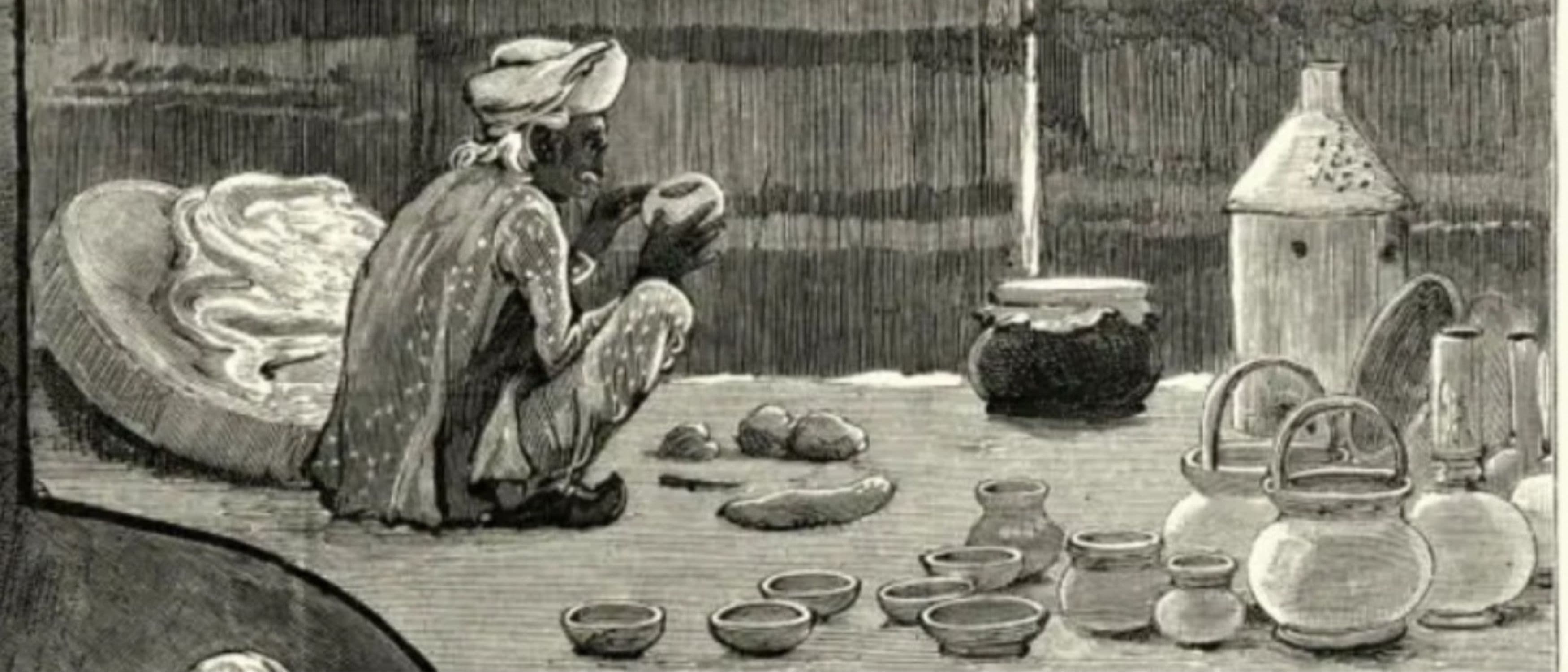


The Shimmering Legacy: A Story of Moradabad Brass
• By Peepul Tree Stories
• 2025-03-03
• 5 mins read
Step into the busy streets of Moradabad, and you’re instantly enveloped in a symphony of clinking hammers, the soft hum of polishing wheels, and the warm golden glow of brass artifacts catching the sun. The air carries the faint smell of molten metal, while shops brimming with intricately crafted urns, trays, vases, and lanterns beckon travelers and connoisseurs alike. Known as the "Brass City of India," Moradabad is more than just a marketplace—it is a living museum of craftsmanship, where tradition and innovation shape a remarkable industrial legacy.
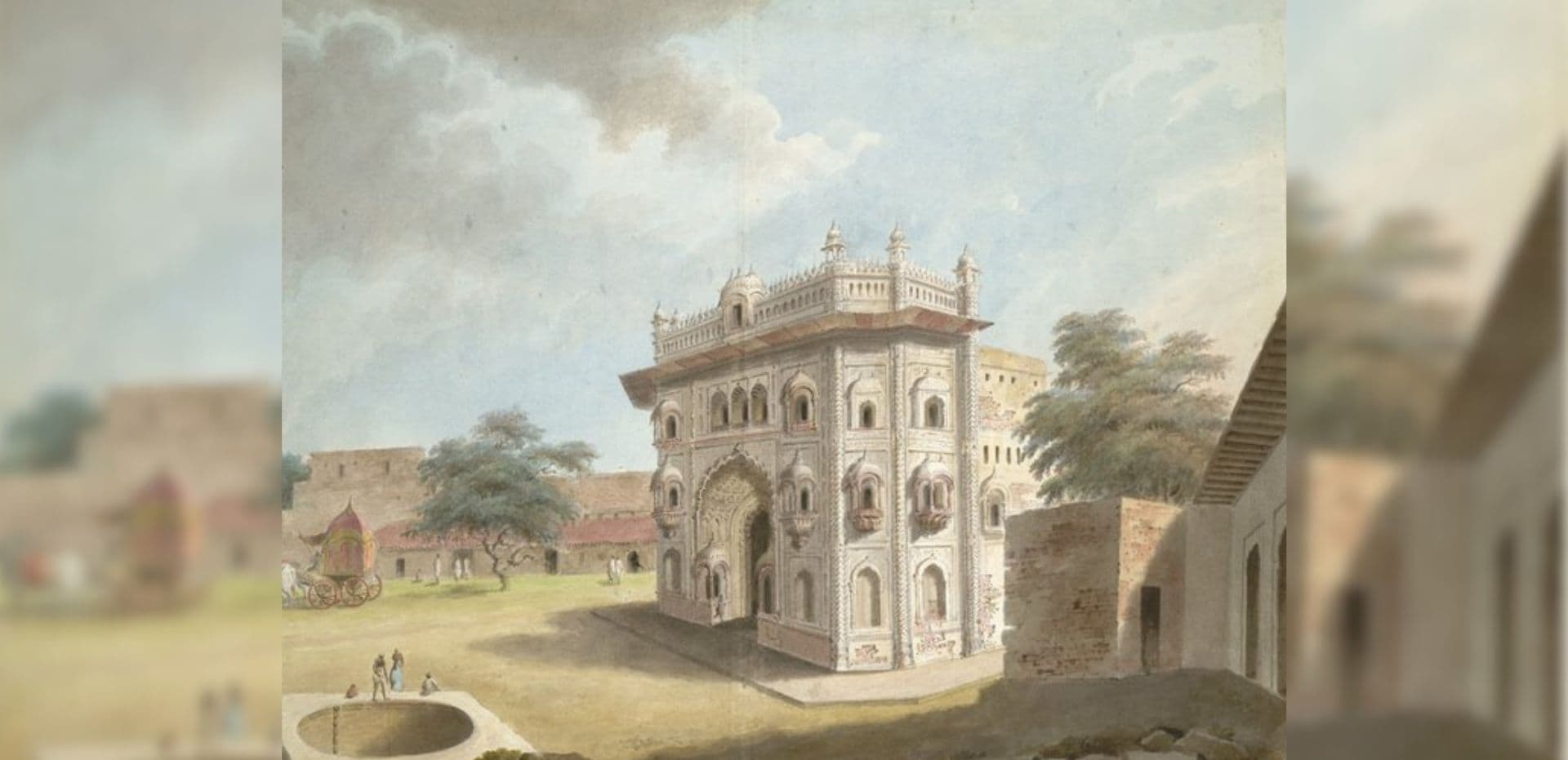
Old Image of Moradabad
Old Image of Moradabad
While brass-making in India has ancient roots, Moradabad’s ascent as a center for brass artistry began sometime in the late 17th century during the Mughal era. Initially, its artisans were known for crafting functional items such as utensils and coins. Influences from Persia, Turkey, and Egypt, brought to India by traders and courtiers, introduced ornamental engraving techniques that transformed everyday objects into items of beauty. During Emperor Shah Jahan’s reign, the brassware of Moradabad was exported to Iran, Turkey and the Middle East.
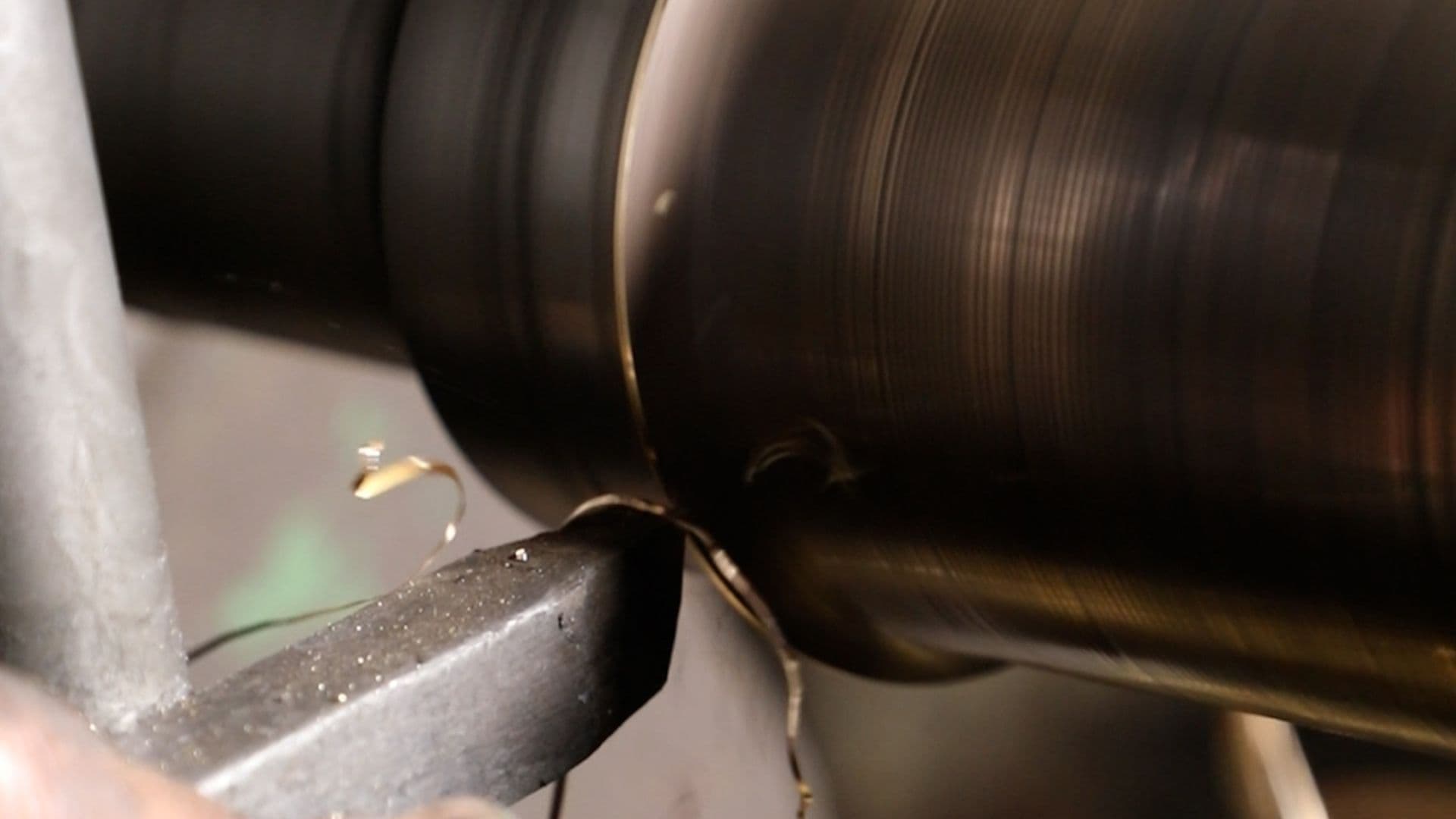
The Making of Brassware
The Making of Brassware
Moradabad’s artisans gained recognition for their mastery of engraving and plating. The Mughal elite, with its preference for decorative copper-plated utensils, drove a demand for intricately designed wares. By the 18th century, the town had established itself as an important trading town in North India, producing items that were both utilitarian and aesthetically appealing. This continued even after the fall of the Mughal empire in the mid-19th century and the establishment of the British rule.
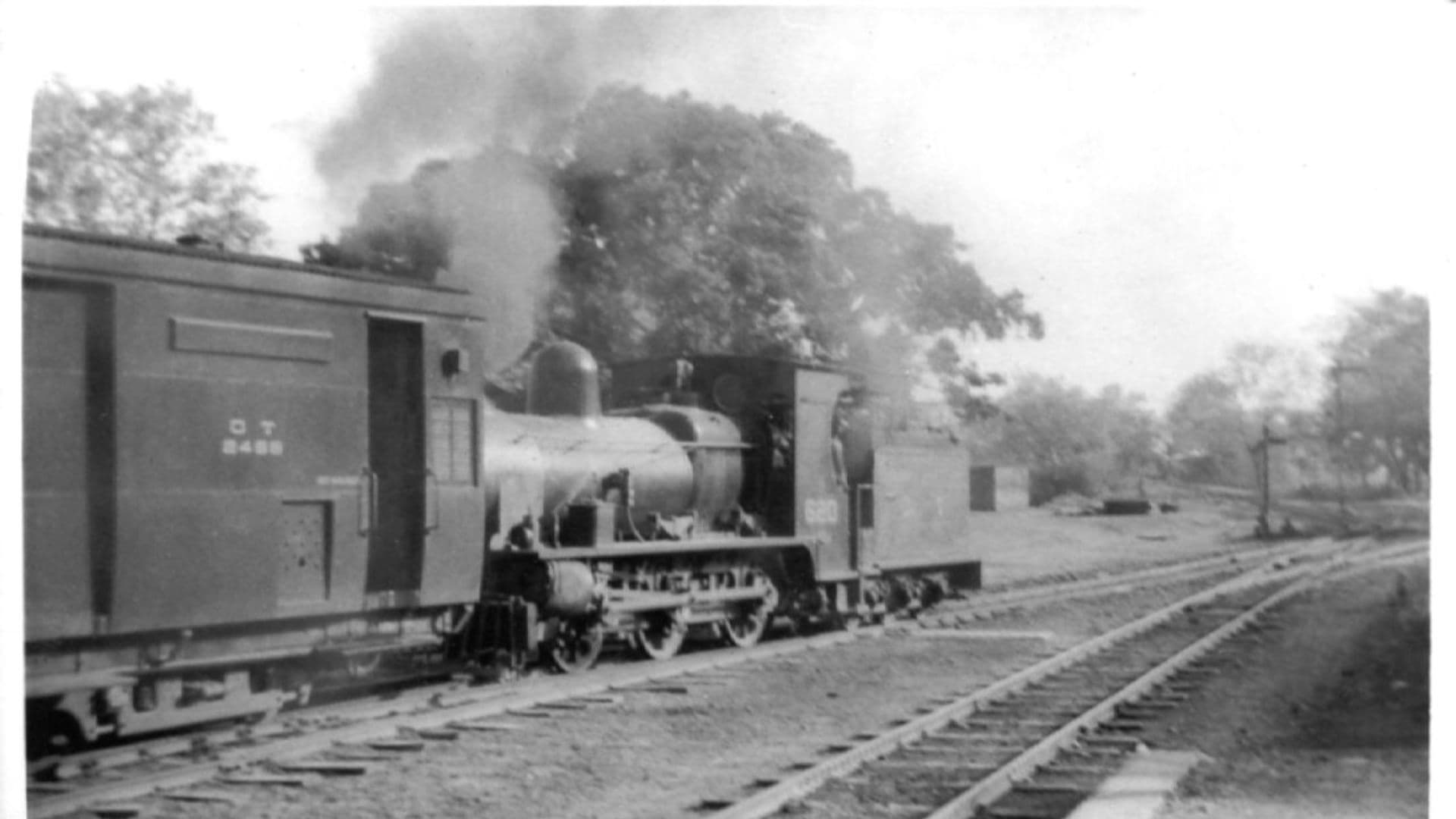
Oudh-Tirhut Railway Company
Oudh-Tirhut Railway Company
The mid-19th century marked a watershed moment for Moradabad with the advent of the Lahore-to-Calcutta railway line. Moradabad was located at the key intersection of the East Indian Railway operating between Calcutta and Lahore, and the Avadh-Tirhut Railway, operating between Bareilly, Lucknow and Gorakhpur. This made Moradabad an important logistical hub for the region. Railways not only facilitated the transport of heavy brass goods to distant markets but also brought raw materials to the town with remarkable efficiency.
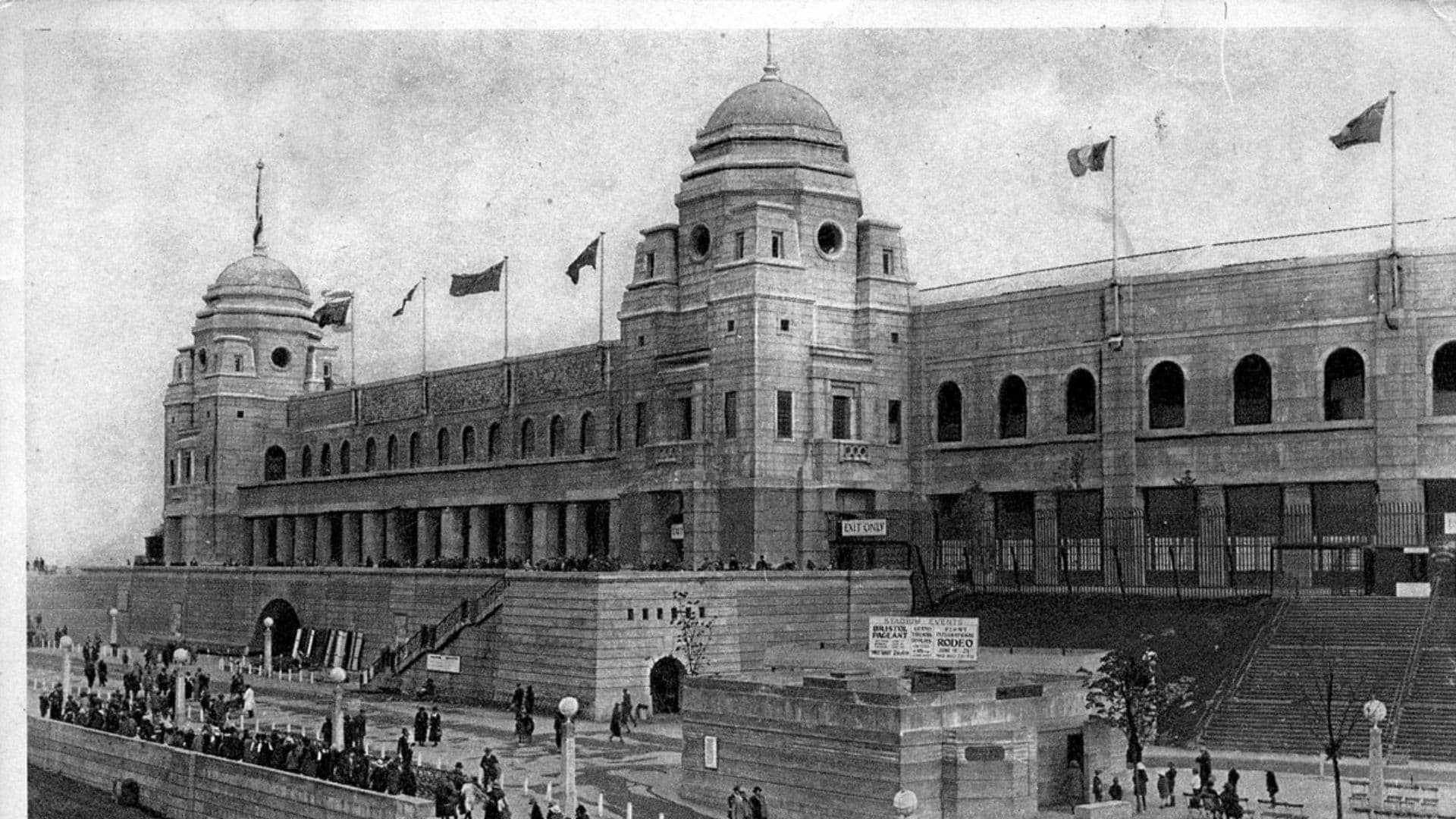
Wembely Exhibition of 1927
Wembely Exhibition of 1927
This period saw the emergence of Moradabad as an industrial hub, with warehouses, storage spaces, and workshops springing up around the railway lines. Brass, previously confined to local consumption, began to flood markets across India and beyond. By the late 19th century, the town’s artisans were crafting lacquered brassware that captivated audiences at international exhibitions, including the Wembley Exhibition in London in 1924-25.
The newfound connectivity also spurred innovation. Factories began adopting power-driven technologies for polishing and engraving, enhancing both the scale and precision of production. By the early 20th century, Moradabad had become synonymous with fine brassware, exporting goods as far as Europe and the United States.
Moradabad’s artisans excelled in combining functionality with ornamentation, creating a diverse range of products that catered to both traditional and modern tastes. Decorative brass items, such as lanterns, candle stands, and vases, found a place in homes and palaces alike. Meanwhile, the use of lacquer to color engravings added a vibrant allure to the products, setting Moradabad apart from other metalworking towns.
The industry thrived during the interwar years, despite economic turbulence. Brassware replaced earthenware in many households due to its durability and aesthetic appeal. By the mid-20th century, the town’s brass industry had grown exponentially, with over 13,000 artisans employed by the 1970s. It wasn’t just a matter of quantity—the craftsmanship and design innovations elevated Moradabad’s brassworks to global prestige.
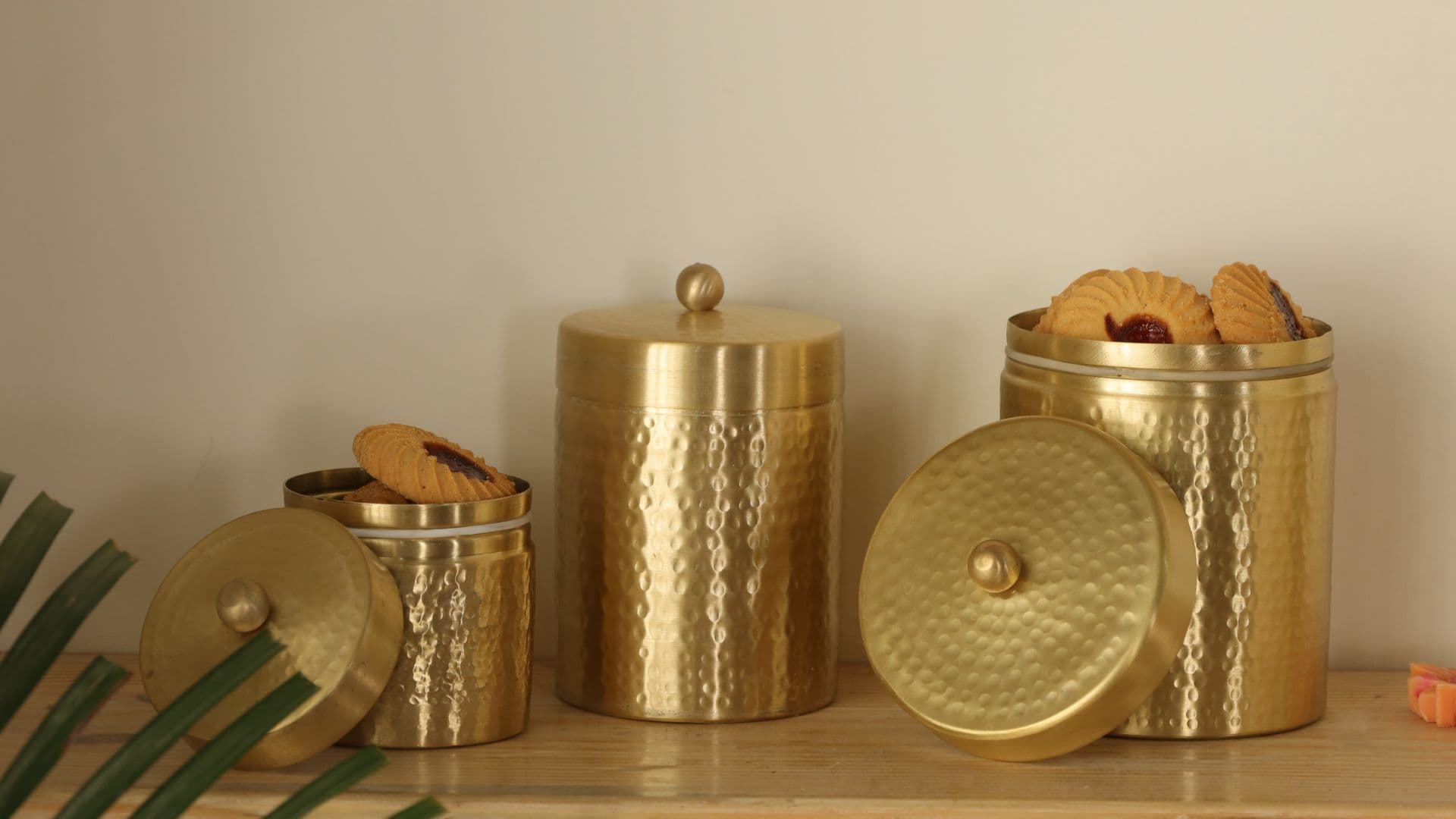
Fine Moradabad Brassware
Fine Moradabad Brassware
In the modern era, Moradabad continues to be a leader in brass production, though the industry has adapted to changing market demands. The introduction of contemporary designs, often blending traditional motifs with minimalist aesthetics, has broadened the town’s appeal. Today, Moradabad exports over 80% of its brassware, with the United States, Europe, and the Middle East as key markets.
The story of Moradabad brass is one of resilience and transformation. From its modest beginnings as a centre for functional metalwork to its rise as a hub for brassware, the town has continually reinvented itself while staying true to its craft. Each brass artifact, whether a simple tray or an ornate lantern, tells a story—not just of the artisan who created it, but of a town that has thrived through centuries of change.
You can shop for beautiful handcrafted Brassware at Peepul Tree, which are sourced directly from the famous crafters of Moradabad.
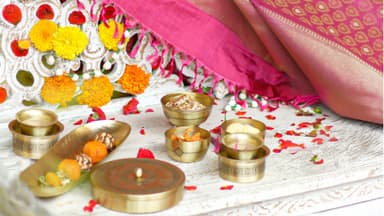

Pure Brass Serving Bowl | Size 150 ml

Kitchen Jar in Pure Brass | Handcrafted in Hammered Brass | Large Size 4 inches Diameter 5 inches Height

Brass Tea Strainer & Bowl For Everyday Luxury Kitchen Usage | Handmade In India - 7.5cm x 12.5cm / Brass / Natural

Kitchen Masala or Spice Box in 100% Pure Brass with detachable containers| Organise Your Kitchen Spices in Style

Coasters made with Pure Brass in a Matt Hammered Finish | Set of 4 and 6
You May also Like
Benefits of Choosing Eco-Friendly Home Decor
• By Anamika
• 2026-01-07
Why choose Handmade Products over Mass-Produced Products
• By Anamika
• 2026-01-07
Lippan Art vs Other Indian Wall Arts: Key Differences & Which Is Best for Your Home
• By Richa Kumari
• 2026-01-02
How to Choose the Right Lippan Art Size for Your Wall | Expert Sizing Guide
• By Richa Kumari
• 2026-01-02
How to Select the Right Bedsheet for Summer, Winter & Monsoon
• By Richa Kumari
• 2026-01-02
 Free DeliveryAcross India
 100%Hand-crafted
 COD Available
 Easy Returns