



Bed Sheet vs Bedspread: Key Differences & How to Choose the Right One
• By Richa Kumari
• 2026-01-02
• 11 mins read
Choosing between a bed sheet and a bedspread often feels confusing because both sit on the bed but serve very different purposes. A bed sheet is designed for direct contact with your skin and plays a major role in comfort, hygiene and sleep quality. A bedspread, on the other hand, is meant to cover the bed from the outside, adding structure, warmth and visual appeal to the bedroom. Understanding how each one functions helps you decide what you actually need rather than buying based on appearance alone.
This guide breaks down the differences clearly, so you can choose what works best for your lifestyle, climate and bedroom habits.
What Is a Bed Sheet?
A bed sheet is the layer that touches your body while you sleep. It is placed directly over the mattress and is designed to be soft, breathable and easy to wash. In most homes, bed sheets are changed frequently because they absorb sweat, skin oils and daily dust.
Bed sheets are usually lightweight and made from fabrics that prioritise comfort over appearance. Cotton, linen, bamboo and microfiber bedsheets are common choices because they allow airflow and feel gentle on the skin. Since sheets are used every night, they need to balance softness with durability while remaining easy to wash and long-lasting. In simple terms, a bed sheet is about sleep comfort and hygiene, which is why many people prefer to buy bedsheets online where they can compare fabrics, weaves and care requirements before choosing the right one for everyday use.
What Is a Bedspread?
A bedspread is an outer layer that covers the entire bed, often reaching down to the sides. Its primary role is to make the bed look complete and styled during the day. Unlike bed sheets, bedspreads are not meant to be slept on directly.
They are usually thicker, heavier and more structured than sheets. Many bedspreads are quilted, stitched or layered to hold their shape. The fabric is chosen more for appearance and warmth than breathability.
Think of a bedspread as a visual and protective layer that keeps your bed looking neat and polished when not in use.
The Core Difference at a Glance
Before getting into details, here is the simplest way to understand the distinction:
- Bed sheets focus on sleep, skin contact and cleanliness
- Bedspreads focus on style, coverage and layering
- Sheets are washed often, spreads less frequently
- Sheets feel lighter, spreads feel heavier
- Sheets stay hidden under use, spreads stay visible
Purpose and Everyday Use
In daily life, bed sheets and bedspreads play very different roles even though they sit on the same bed. Bed sheets are part of your sleep routine. You lie on them, move against them and rely on them to stay cool, dry and comfortable throughout the night. Because of this, they need frequent washing and careful fabric selection.
Bedspreads are part of your bedroom’s visual routine. They are pulled over the bed in the morning to give the room a tidy, finished look. In cooler months, they may also add warmth, but they are rarely used as the primary sleeping layer.
Fabric, Thickness and Comfort Differences
The fabrics used for bed sheets and bedspreads are chosen for completely different reasons. Bed sheets are usually thinner and softer because they need to feel pleasant against the skin. Breathability is critical, especially in Indian climates where heat and humidity are common.
Bedspreads are thicker by design. Their fabric may feel heavier or stiffer because it needs to drape well and hold structure. Comfort is secondary to appearance here, which is why bedspreads are not ideal for sleeping directly on.
In short:
- Sheets prioritise softness and airflow
- Spreads prioritise structure and warmth
Trying to use one in place of the other often leads to discomfort or impractical maintenance.
Which One Is Better for Daily Use?
For everyday sleeping, bed sheets are non-negotiable. They are designed to be slept on, washed frequently and replaced easily. Using only a bedspread without a sheet underneath can feel uncomfortable and unhygienic over time.
Bedspreads work best when treated as a top layer rather than a substitute. They shine in homes where the bed is visible from common areas or where styling matters just as much as function.
For most households, bed sheets are essential, while bedspreads are optional but valuable for presentation and layering.
Ease of Cleaning and Maintenance
One of the biggest practical differences shows up when it comes to washing and upkeep. Bed sheets are designed to be washed often, usually once every one to two weeks. They are lighter, dry faster and fit easily into regular washing cycles at home. Most people keep multiple sets of sheets so they can rotate them without effort.
Bedspreads require a different mindset. Because they are thicker and larger, they are washed less frequently. Many need gentle cycles, extra drying time or even occasional dry cleaning, depending on the fabric and stitching. This makes them less convenient for regular cleaning, especially in homes without large washing machines.
If easy maintenance is a priority, bed sheets clearly win. Bedspreads work best when treated as a top layer that stays relatively clean and protected.
Daily Use vs Layered Bedding
For daily sleeping, bed sheets are the foundation. They handle sweat, body heat and movement throughout the night. Without a good-quality sheet, even the most luxurious bedding setup can feel uncomfortable.
Bedspreads come into play when you like a layered bed look. They sit above the sheet and blanket, adding weight and visual balance. In cooler months, they also help trap warmth, especially in air-conditioned rooms.
A simple way to think about this is:
- Sheets are functional and essential for sleep
- Bedspreads are supportive and aesthetic for layering
Homes that value both comfort and appearance often use both together rather than choosing one over the other.
Which Option Works Better for Indian Homes?
In Indian climates, where heat, humidity and dust are common, bed sheets play a critical role. Breathable fabrics like cotton or linen help regulate body temperature and are easy to wash frequently, which is important for hygiene.
Bedspreads are better suited for specific situations rather than daily dependence. They work well in:
- Air-conditioned bedrooms
- Cooler regions
- Guest rooms that are not used every day
- Homes where the bedroom doubles as a sitting space
For most Indian households, sheets are the daily necessity, while bedspreads are a lifestyle addition rather than a replacement.
Can You Use a Bedspread Instead of a Bed Sheet?
Using only a bedspread without a sheet is generally not recommended. Bedspreads are not designed for direct skin contact and may feel rough, warm or restrictive during sleep. They also trap sweat and dust more easily because they are not washed as often.
In short-term situations like naps or guest use, it may seem manageable. Over time, however, it affects comfort and cleanliness. A sheet underneath always improves sleep quality and hygiene.
Can a Bed Sheet Replace a Bedspread?
A bed sheet can technically be used without a bedspread, and many people do exactly that. The bed may look simpler, but it remains comfortable and practical. This works especially well in minimal homes or during summer months.
However, without a bedspread, the bed can appear unfinished during the day, particularly in rooms where the bed is visible. If appearance matters, a bedspread adds structure and polish that sheets alone cannot provide.
Which One Should You Choose for Your Bedroom?
The right choice depends on how you use your bedroom rather than what looks good in photos. Ask yourself:
- Do you prioritise sleep comfort or styling?
- Is your bedroom mainly functional or also decorative?
- How often do you want to wash your bedding?
- Do you live in a hot or cool climate?
If comfort, hygiene and ease matter most, focus on high-quality bed sheets. If visual appeal, layering and warmth matter, add a bedspread to complete the setup.
Do You Need Both a Bed Sheet and a Bedspread?
In most homes, the best setup is not choosing one over the other but using both in the right way. A bed sheet handles comfort, hygiene and sleep quality, while a bedspread completes the bed visually and adds an extra layer when needed. Together, they create a balanced setup that works for both night and day.
This combination is especially useful in Indian homes where bedrooms often serve multiple purposes. During the day, a neatly spread bedspread keeps the space looking tidy and presentable. At night, you simply fold it away and sleep comfortably on fresh sheets. This approach gives you flexibility without compromising on either comfort or style.
Common Mistakes People Make When Choosing Bedding
Many people end up unhappy with their purchase because they focus on looks alone. One common mistake is using a bedspread directly on the mattress without a sheet, which leads to discomfort and hygiene issues. Another is buying heavy bedspreads for hot climates, making the bed feel suffocating rather than cosy.
Some also choose sheets based only on thread count, ignoring fabric type and climate suitability. Others buy oversized bedspreads that drag on the floor or too-small ones that fail to cover the bed properly. Avoiding these mistakes starts with understanding how each layer functions rather than treating them as interchangeable.
How to Choose the Right Option for Your Lifestyle?
If your priority is restful sleep, easy washing and year-round comfort, invest in good-quality bed sheets first. Choose breathable fabrics and keep multiple sets for rotation. This forms the foundation of healthy sleep habits.
If your priority is a well-styled bedroom that feels complete during the day, add a bedspread that suits your climate and décor. Lightweight spreads work well for most homes, while heavier ones are best reserved for winter or air-conditioned spaces. The key is matching the bedding to how you actually live, not just how the room looks.


Pure Cotton Double Bedsheet Set With 2 Pillow Covers | Hand Printed in Blue & Grey | Handmade In India - 90 X 108 Inches / Pure Cotton / Grey, Blue & White

Pure Cotton Double Bedsheet Set With 2 Pillow Covers | Hand Printed In Maroon & Black | Handmade In India - 90 x 108 inches / Pure Cotton / Maroon, Black & Beige

Pure Cotton Double Bedsheet Set With 2 Pillow Covers | Hand Printed In Cypress Blue | Handmade In India - 90 x 108 inches / Pure Cotton / Off white & Blue

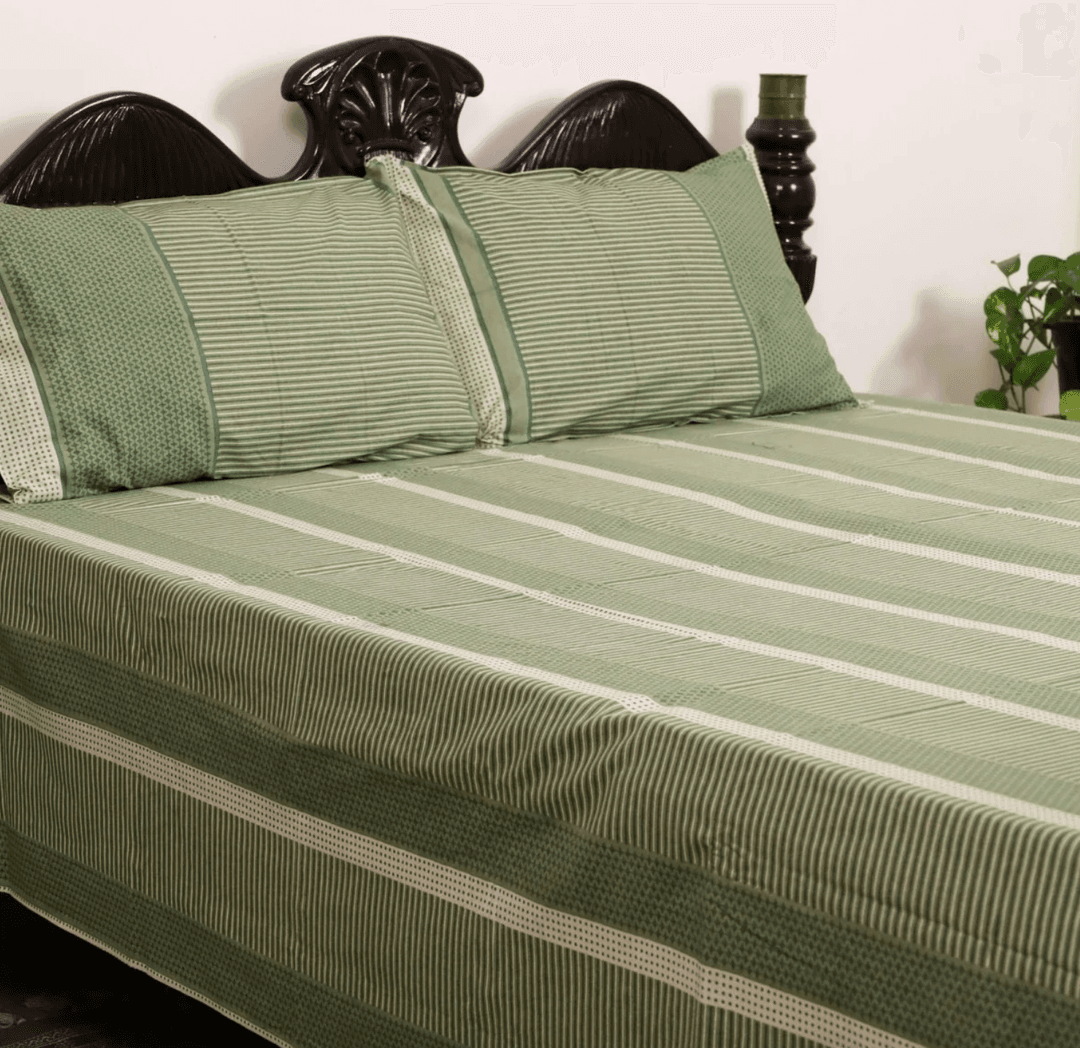
Pure Cotton Bedsheet for Double bed with 2 Pillow Covers | Handprinted Textured Design in Fern Green & Off White |Marigold Collection

Pure Cotton Double Bedsheet Set with 2 Pillow Covers Hand Printed in a Floral Print In Off White and Blue| 100% Pure Cotton in Queen Size - 90 by 108 inches
You May also Like

Benefits of Choosing Eco-Friendly Home Decor
• By Anamika
• 2026-01-07
Why choose Handmade Products over Mass-Produced Products
• By Anamika
• 2026-01-07

Lippan Art vs Other Indian Wall Arts: Key Differences & Which Is Best for Your Home
• By Richa Kumari
• 2026-01-02

How to Choose the Right Lippan Art Size for Your Wall | Expert Sizing Guide
• By Richa Kumari
• 2026-01-02
How to Select the Right Bedsheet for Summer, Winter & Monsoon
• By Richa Kumari
• 2026-01-02
Frequently Asked Questions
Is a bedspread necessary for daily use?
No. It is optional and mainly used for styling or extra warmth.
How often should bed sheets be changed?
Ideally once every one to two weeks, depending on climate and personal habits.
Can I use only a bedspread in summer?
Not recommended, as it may feel warm and is harder to wash frequently.
Do bedspreads protect bed sheets?
Yes. They act as a top layer that keeps dust and dirt away during the day.
Which is better for guest rooms?
Using both works best. Sheets ensure comfort, while a bedspread keeps the room looking neat when unused.
 Free DeliveryAcross India
 100%Hand-crafted
 COD Available
 Easy Returns