


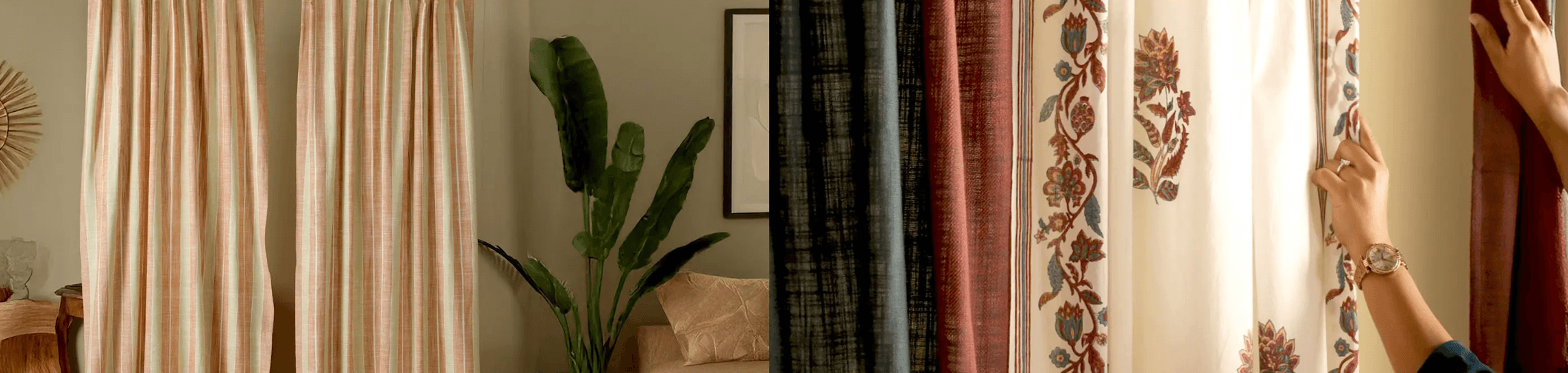


Curtain Care Guide: How to Clean, Freshen & Prevent Fading
• By Richa
• 2025-12-05
• 14 mins read
Curtains do far more than frame a window; they quietly work every day to filter pollution, block dust, soften sunlight, protect furniture from UV exposure, and define the overall mood of a room. Yet because they blend into the background, curtain care is often overlooked until the fabric starts looking dull or the folds lose their structure. Regular upkeep is what keeps curtains looking elegant, prevents fading, removes allergens, and extends their life for years. With a simple routine, even daily-use curtains can stay as fresh and graceful as the day they were hung. Curtains collect dust especially in homes near highways, construction sites, or busy neighbourhoods. This buildup slowly reduces the fabric’s brightness and can create mild odours if ignored. Clean curtains improve indoor air quality significantly because they don’t release trapped particles each time a breeze enters. For households with allergies, asthma, or sensitive sinuses, this makes a noticeable difference in daily comfort.
How Often Should You Clean Curtains?
How frequently you clean curtains depends entirely on the environment and the fabric type. In most Indian homes, curtains should be lightly dusted every week and deep-cleaned every 3-4 months. Homes near busy roads, metro lines, or construction areas may need more frequent care because dust settles faster and sticks to fibres easily. In AC-heavy homes, especially in cities like Mumbai, Bangalore, Pune, and Chennai, curtains absorb moisture from the air-conditioner’s condensation and may develop a mild damp smell if not aired regularly.
Bedrooms require cleaning every 6-8 weeks because curtains here are exposed mainly to indoor dust rather than external pollutants. Living room curtains need more attention as foot traffic, movement, open windows, fans, and cross-ventilation make dust accumulate faster. Curtains in kitchens or dining rooms require even more frequent care since they absorb oil vapour, cooking moisture, and food odours. The key is consistency-small weekly habits prevent larger cleaning problems later.
How to Remove Dust From Curtains?
Dust removal is the simplest and most effective way to extend the life of your curtains. Dust sits on fabric fibres like a thin film that is invisible at first but gradually takes away the fabric’s sheen and softness. Start with a gentle weekly routine using a soft brush attachment on your vacuum cleaner-always on low suction and moving in long downward strokes to keep the fabric aligned. For delicate handwoven fabrics, especially fine cotton or mulmul curtains, use a handheld lint remover or lightly shake the curtains outdoors to remove loose dust.
If your curtains are layered (cotton + sheer), dust each layer separately. Sheer fabrics trap minute dust particles easily due to their weave, so they benefit from a quicker dusting session. Running a microfiber cloth lightly over the folds also helps remove surface dust without disturbing the fibre. Avoid beating or slapping curtains, as this weakens cotton fibres over time and makes them prone to wrinkling. With consistent weekly dusting, your curtains remain bright, airy, and visually clean without needing frequent washes.
How to Clean Curtains at Home? (Simple, Non-Wash Methods)
You don’t always need to wash curtains to make them feel fresh. Many fabrics-especially handwoven cotton curtains like those from Peepul Tree-respond beautifully to simple home care techniques that clean without stressing the fabric. Start with vacuuming the curtains on both sides to remove dust. For mild grime, dip a microfiber cloth in lukewarm water mixed with a drop of mild detergent and gently wipe down the surface. This works especially well for cotton curtains that show patches of pollution or fingerprints near the edges.
Steam cleaning is another excellent method if you want to sanitise curtains without washing them. Hold the steamer at least 10-12 cm away and run it along the folds. This loosens dust, kills bacteria, and freshens the fabric instantly. For curtains that hold lingering smells, sprinkle baking soda lightly on the lower edges and brush it off after an hour..
How to Freshen Curtains Between Washes?
Curtains lose freshness not just due to dirt but because they absorb smells-cooking aromas, AC moisture, monsoon dampness, or even perfume and hair products. To restore freshness, start by taking the curtains outdoors and letting them air out in gentle morning light. The sun’s warmth helps release absorbed smells without causing harsh fading. Lightly shaking the fabric helps loosen stale air trapped between the folds.
You can also use a room steamer for a quick refresh. Steam restores the curtain’s natural drape, removes mild wrinkles, and lifts the fibres slightly to make them look fuller. For cotton curtains, prepare a DIY freshening spray: mix water, a few drops of white vinegar, and a mild essential oil. Lightly mist the curtain-not soaking, just a gentle cloud of freshness. Avoid strong fragrance sprays that cling to fibres and attract dust faster. With these refreshing tweaks, curtains stay pleasant and lively long after their last wash.
How to Remove Odours From Curtains?
Curtain odours usually come from moisture, pollution, or absorbed kitchen smells. The first step is airing-nothing works better. Hang the curtain outdoors in a shaded area where air circulation is strong. For stronger smells, sprinkle the curtain lightly with baking soda and let it sit for 45-60 minutes; baking soda absorbs odours naturally without damaging fabric. Shake it off gently or vacuum the powder using a soft brush attachment.
White vinegar is surprisingly effective too. Mix 1 part vinegar with 4 parts water and mist lightly across the lower half of the curtain. The smell of vinegar fades quickly, taking deeper odours with it. For cotton curtains, you can also use a steam freshening method-steam forces trapped odours to release from fibres. If the smell is caused by mildew, the root cause is moisture, not dirt. Check the room’s ventilation, the curtain rod area, and nearby AC vents to prevent odour recurrence.
How to Spot Clean Stains on Curtains?
Spot cleaning works best when the stain is fresh. Dab, don’t rub-rubbing pushes the stain deeper into the weave, especially in cotton or linen curtains. Begin with a soft cloth dipped in cold water and gently blot the stain until it loosens. For oil-based stains, use a mild diluted detergent or a small drop of gentle dish soap mixed with water. Apply only on the spot, not the surrounding fabric, to prevent patchy fading.
For makeup stains, food splashes, or children’s accidental handprints, use a mix of water and a tiny amount of oxygen-based stain remover. Test it on an inner corner first. Avoid harsh bleach or abrasive powders. With natural fabrics like cotton, stains usually lift well if cleaned promptly. Once the stain is removed, dry the area with a fan rather than sunlight to prevent watermark rings.
How to De-Wrinkle Curtains?
Wrinkles make even premium curtains look older and poorly maintained. The simplest way to de-wrinkle is using a handheld steamer. Start from the top and move downward in long, slow strokes. Steam relaxes fibres and restores the fabric’s natural fall without flattening the texture. For cotton curtains, iron them on low heat from the back side while they’re slightly damp; this gives a crisp, hotel-like finish.
If you want to avoid removing the curtains from the rod, steam them while they’re hanging. Just ensure the steamer doesn’t touch the fabric directly. For sheer curtains, steaming from a distance is essential to prevent sagging. Tightly woven curtains often develop stubborn creases where they fold-steam these areas twice for best results. Regular steaming also kills bacteria and keeps the curtains smelling fresh.
How to Protect Curtains From Sun Damage?
Sunlight is beautiful for a home but harsh on fabrics. UV rays fade colours gradually, weaken fibres, and make the curtain look older in just a few months. The best protection is rotating curtains every few weeks-swap the left and right panels so each side gets equal sunlight exposure. Install a sheer layer behind your primary curtain to act as a natural sun shield. This is where lightweight mulmul or voile sheers work wonderfully.
You can also use partial closure during peak sunlight hours. For cotton curtains, avoid drying them under direct harsh sun after washing, as it accelerates fading. Fabrics in colours like teal, rust, mustard, navy, or sage-especially found in handwoven cotton curtains-retain their richness longer if protected from extreme sunlight. Regular dusting also prevents micro-scratches on the fabric that exaggerate fading.
How to Prevent Mold and Mildew on Curtains
Mold thrives in damp corners, poorly ventilated rooms, and on fabrics that absorb moisture. Bathrooms, kitchen doorways, and AC-heavy rooms are most vulnerable. The first step to prevention is keeping curtains dry-avoid pushing them against wet walls or window panes. Ensure there is airflow behind the curtain; slightly extend the rod so the fabric doesn’t touch the wall.
If your room has high humidity, air the curtains outdoors every few days. Use a fan for quick drying if they ever get damp. Vinegar-water mist helps prevent mildew spores from settling, especially during monsoon season. If you live near the coast, choose materials like cotton or poly-cotton that dry faster and resist mildew better. Deep-coloured curtains can hide mildew patches, so inspect the inner folds periodically.
How to Maintain Different Curtain Fabrics
Each fabric behaves differently with dust, sunlight, moisture, and washing. Here’s how to care for the most common types:
Cotton Curtains
Vacuum weekly. Wash gently every 2-3 months. Avoid harsh sun drying. Cotton ages beautifully with regular care and regains shape easily with steaming.
Linen Curtains
Air frequently, spot clean instead of washing often, and iron on low heat for crispness. Linen wrinkles quickly but also refreshes quickly.
Blackout Curtains
Do not machine wash frequently. Vacuum both sides and wipe down with a damp cloth. Sun-drying can damage blackout coatings.
Velvet Curtains
Use a lint roller weekly. Never scrub or soak. Steam lightly from the back. Velvet retains dust, so regular maintenance keeps it plush.
How to Care for Curtains in Kitchen & Bathroom
Curtains in kitchens require extra care due to oil vapours, food smells, and moisture. Choose washable fabrics like cotton or poly-cotton blends for these areas. Wipe them down with a damp cloth every week to prevent grease buildup. Avoid placing curtains too close to stoves or sinks.
Bathroom curtains attract steam and mildew. Air them daily by keeping the bathroom door open. Use moisture-wicking fabrics and ensure no water splashes directly on them. Sun-drying in mild morning light once a week prevents mildew growth.
Best Practices to Keep Curtains Looking New
To keep curtains looking vibrant, follow a few simple habits: dust weekly, steam monthly, rotate curtain panels to even out sun exposure, and avoid placing them against damp walls. Airing curtains regularly keeps them fresh and prevents fibre stiffness. Using a fabric spray made from gentle ingredients can prolong the curtain’s brightness without coating the fibres in chemicals.
Premium curtains-especially handwoven cotton and mulmul varieties-retain their graceful flow when given light care consistently. Even subtle steps like aligning the pleats properly after cleaning make a huge difference in how polished the curtain appears.
When Should You Replace Curtains?
Curtains don’t need frequent replacement if cared for well, but certain signs indicate it’s time. If the fabric has thin patches, consistent discoloration, or persistent mildew stains, replacement is better than repair. When the curtain loses its drape, hangs unevenly, or fades significantly on sun-facing edges, it means the fibres have weakened. Wash-resistant stains, lingering odours, or frayed edges also signal the natural end of a curtain’s lifespan.
Interestingly, many homeowners upgrade curtains not because they are damaged but because décor evolves. Fresh curtains can transform the room instantly-it’s one of the easiest décor changes that delivers a big visual impact.



Curtain set of 2 Handwoven and 1 Printed Curtain made with Pure cotton | Green and Dusty Pink | 7 Feet | Set of 3 Curtains

Pure Cotton Door Curtain in 7ft | Set of 3 Assorted Curtains in Brick Red | Navy Blue and Ivory | Gentle Machine Wash or Hand Wash | Chintz Collection - 7ft / Cotton / Red Ivory Navy

Curtain set of 2 Handwoven and 2 sheer Curtains made with Pure cotton and fine Mulmul| Green and Dusty Pink | 7 and 8 Feet | Set of 4 Curtains

Cotton Door Curtain handwoven in Ivory Colour |7 Feet | Semi Blackout with 60% light blocking

Cotton Curtain Handwoven in Off white and Charcoal colour| 7 and 9 Feet| Semi Blackout Curtain for Bedroom or Living Room
You May also Like
Benefits of Choosing Eco-Friendly Home Decor
• By Anamika
• 2026-01-07
Why choose Handmade Products over Mass-Produced Products
• By Anamika
• 2026-01-07

Lippan Art vs Other Indian Wall Arts: Key Differences & Which Is Best for Your Home
• By Richa Kumari
• 2026-01-02

How to Choose the Right Lippan Art Size for Your Wall | Expert Sizing Guide
• By Richa Kumari
• 2026-01-02
How to Select the Right Bedsheet for Summer, Winter & Monsoon
• By Richa Kumari
• 2026-01-02
Frequently Asked Questions
How often should I deep clean curtains?
Every 3-4 months for living rooms; every 2 months for kitchens; every 6-8 weeks for bedrooms.
Why do my curtains fade even when I wash them carefully?
Fading is mostly due to sun exposure, not washing. Rotate panels and avoid harsh sunlight while drying.
What’s the safest way to remove musty smells from curtains?
Air them outdoors, sprinkle light baking soda, or steam-refresh the fabric. Avoid heavy perfumes.
 Free DeliveryAcross India
 100%Hand-crafted
 COD Available
 Easy Returns