


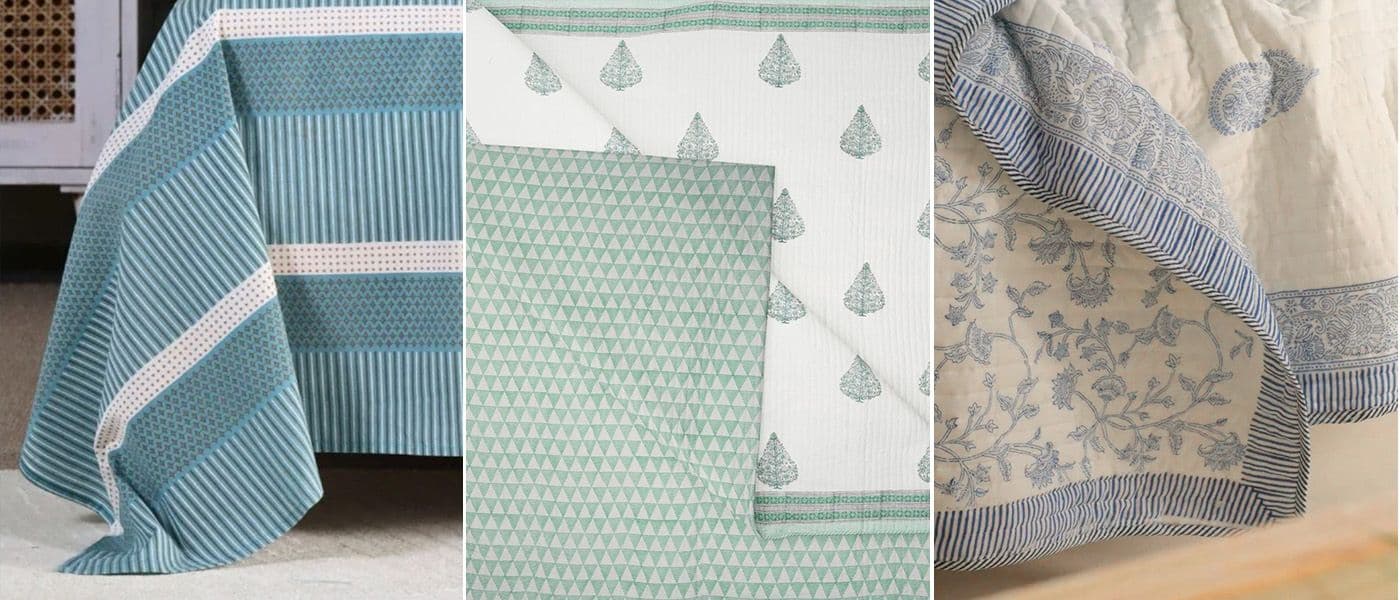


What Is GSM in Fabric and Why It Matters
• By Richa
• 2025-11-21
• 7 mins read
Pick up a blanket or a bedsheet and you can usually tell if it’s light, heavy, soft, or warm. That feeling comes from one simple thing: the fabric’s GSM. You may never have noticed the term before, but it quietly decides how comfortable your bedding feels through the year.
What Does GSM Mean?
GSM stands for grams per square metre. It measures how much a square metre of cloth weighs. The higher the number, the denser and heavier the fabric.
Low GSM Cloth, like thin cotton double bedsheets, feel light and airy. High GSM ones, such as thick comforters, feel warm and solid. Neither is right or wrong-it depends on your climate and how you like to sleep.
You could think of GSM as the weight of comfort. A 150 GSM bedsheet is perfect for summer nights, while a 300 GSM blanket feels like a gentle wrap when winter sets in.
How is GSM Measured?
There’s a straightforward way to measure it.
GSM = (weight of the fabric in grams) ÷ (length × width in metres)
If a blanket measures 2 metres × 2 metres and weighs 1,200 grams, then: 1,200 ÷ (2 × 2) = 300 GSM.
That number tells you how compactly the fibres are woven. You don’t need to calculate it each time, but knowing what it means helps you read those product labels with confidence.
Once you understand GSM, you’ll notice why two cotton sheets can feel so different even when they look similar.
How GSM Affects Comfort?
The real impact of GSM shows up when you lie down.
Light fabrics-anything below 150 GSM-feel crisp, cool, and breathable. They suit tropical weather where nights stay warm and humid. Fabrics between 200 and 250 GSM are balanced; they keep you comfortable through most of the year. Anything beyond 300 GSM feels denser and heavier. That gentle weight is what makes a blanket perfect for chilly nights or air-conditioned rooms.
When you match GSM to your climate, your sleep quality changes instantly. You don’t wake up sweating or shivering; you rest easy.
Choosing GSM for Your Home
If your home stays warm most of the year, light cotton around 120 to 180 GSM is enough. It lets air move freely and dries fast after washing.
For moderate weather, 200 to 250 GSM fabrics work best. They have substance without heat.
If you face long winters or sleep in strong air conditioning, 300 to 350 GSM gives you warmth without trapping air.
There’s no single perfect number. The “best blanket for heavy winter” simply means one with enough GSM to hold warmth while staying soft on the skin.
When buying, imagine how you want the fabric to behave-cool like linen, soft like brushed cotton, or dense like a quilt. The GSM should match that feel.
Is Higher GSM Better?
Not always. People often assume heavier fabric equals higher quality, but comfort doesn’t work that way.
A 300 GSM synthetic blanket can feel suffocating, while a 200 GSM cotton one might feel light and luxurious. GSM shows weight, not breathability.
Here’s an easy way to compare:
- 120–180 GSM: light and crisp; perfect for heat and humidity.
- 200–250 GSM: everyday soft comfort.
- 300 GSM and above: warm, cosy, and ideal for winter.
Simple Tips While Buying
Check climate first Hot regions need light GSM. Cooler places or AC bedrooms need more.
Touch the weave The surface should feel smooth, not waxy or stiff. Texture reveals quality more than numbers.
Read fabric type Cotton and linen breathe better; synthetics trap heat even at the same GSM.
Think of layering Two lighter quilts can be more flexible than one thick blanket.
Care counts Even the perfect GSM won’t help if washed harshly. Gentle cycles and shade drying keep the weave intact.
Buying with these small checks ensures your sheets and blankets feel right long after the first wash.
Common Myths About GSM
Myth 1: High GSM always means better fabric No. It only means heavier. Quality comes from yarn and weave, not weight alone.
Myth 2: Low GSM wears out quickly Durability depends on fibre strength. Well-made 150 GSM cotton can last for years.
Myth 3: All fabrics with the same GSM feel alike Two fabrics may share a number but behave differently. One might breathe; another might trap heat.
Understanding GSM helps you see past labels and choose what truly feels comfortable.
Caring for Different GSM Fabrics
Light fabrics need gentle care; heavy ones need time to dry. A few small habits make a big difference:
- Wash in cold water with mild detergent.
- Avoid bleach-it weakens threads and fades colour.
- Dry in shade so the weave stays soft.
- Iron lightly or skip ironing if you like the natural, relaxed look.
With care, even a delicate bedsheet keeps its structure for years. GSM doesn’t fade; poor washing habits do.
How GSM Links to the Seasons?
Each season calls for its own texture.
- Summer: Choose 120–150 GSM cotton. It breathes and feels cool to the touch.
- Monsoon: Go a little heavier-around 180–220 GSM-to handle moisture in the air.
- Winter: Use 300 GSM or more. The extra density traps warmth gently.
Rather than changing all your bedding, keep a mix of GSM levels. Rotate them as the weather changes. It’s practical and feels more natural to the body.
Why GSM Matters for Sleep?
Weight changes how your body relaxes. Lighter fabrics feel freeing; heavier ones give a sense of calm. That’s why a thin bedsheet feels refreshing after a long day, while a dense comforter feels grounding on cold nights.
When your bedding weight matches your temperature preference, your sleep deepens. You don’t toss, turn, or reach for another blanket. GSM isn’t about numbers-it’s about rhythm between your skin and the air around you.
How to Calculate GSM at Home?
If you ever want to check a fabric’s GSM yourself:
Cut or measure a square metre (or smaller and scale up)
Weigh it in grams
Divide the weight by the area.
The result tells you the approximate GSM. It’s a simple test but helps you recognise why one sheet feels lighter or heavier than another.
Conclusion
GSM might look like a small number on a tag, but it carries the science of comfort. It explains why some sheets feel airy and others feel full, why one blanket works all year while another stays packed away until December.
When you know what GSM means, you buy better. You choose fabrics that breathe, drape, and age beautifully with your home. And each night, when you settle into bed, you’ll feel that quiet satisfaction of something that simply feels right.

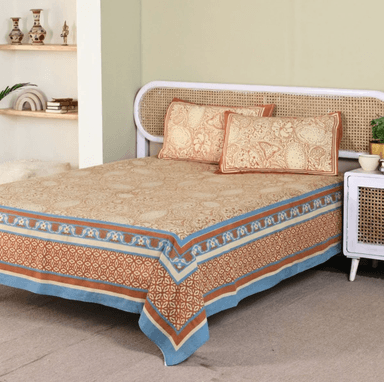

Rust & Off White Cotton Bedsheet with Pillow Cover | Marigold Collection - 90 x 108 Inches / Pure Cotton / Rust & Off White

Pure Cotton Bedsheet with 2 Pillow Covers Handprinted in Jaipuri Design of Teal Green and Off White

Cotton Bed sheet with Pillow Cover in Mustard and Off White | Queen Size 90 x 108 Inches| Pure Cotton

Cotton Bed sheet in Taupe and Off White design with a Pillow Cover | Queen Size 90 x 108 Inches |Pure Cotton

Cotton Bed sheet with Pillow Covers in Sage Green and Off White | Queen Size 90 x 108 Inches |Pure Cotton
You May also Like
Benefits of Choosing Eco-Friendly Home Decor
• By Anamika
• 2026-01-07
Why choose Handmade Products over Mass-Produced Products
• By Anamika
• 2026-01-07

Lippan Art vs Other Indian Wall Arts: Key Differences & Which Is Best for Your Home
• By Richa Kumari
• 2026-01-02
How to Choose the Right Lippan Art Size for Your Wall | Expert Sizing Guide
• By Richa Kumari
• 2026-01-02
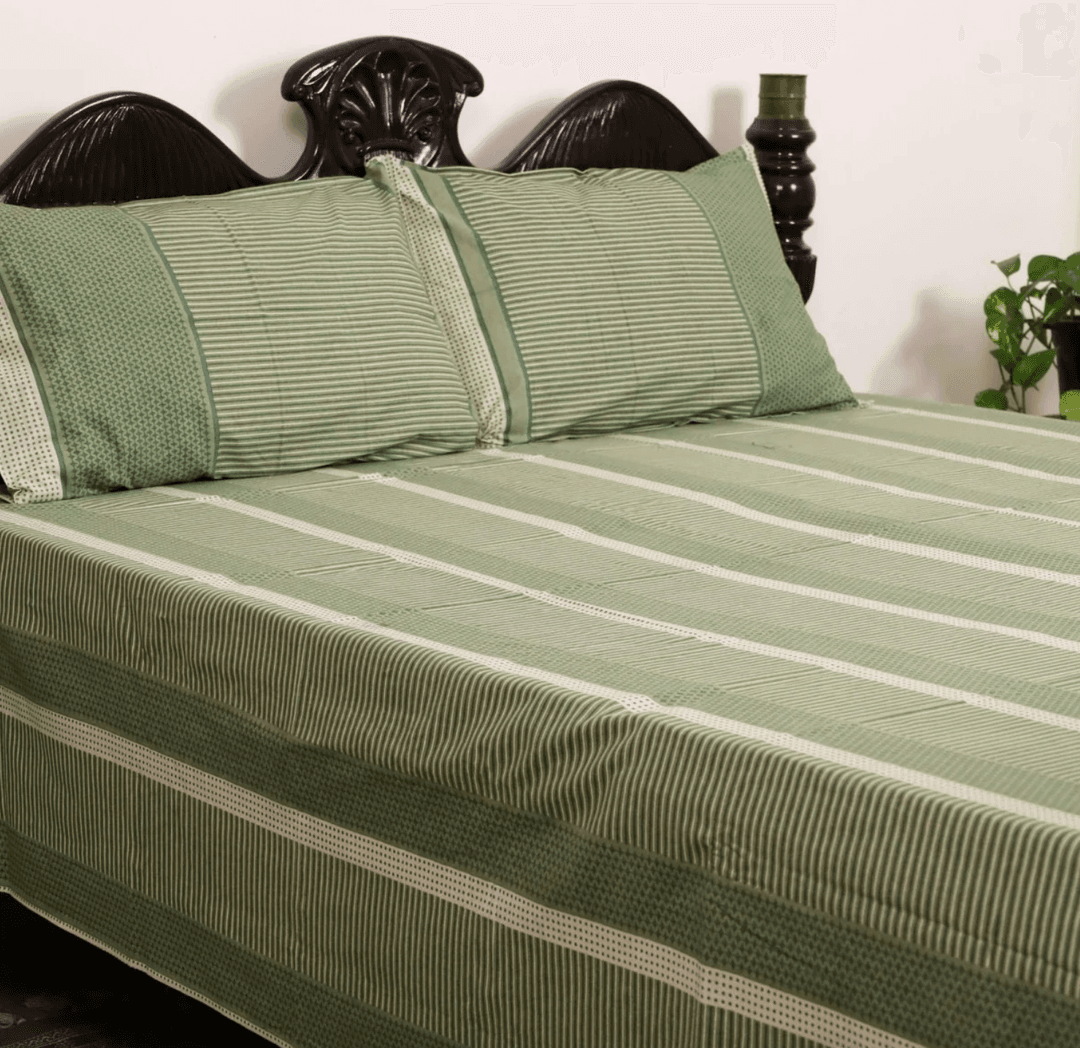
How to Select the Right Bedsheet for Summer, Winter & Monsoon
• By Richa Kumari
• 2026-01-02
Frequently Asked Questions
1) What is GSM of fabric?
It’s the fabric’s weight per square metre, measured in grams. It shows how thick or light the cloth is.
2) Is 300 GSM fabric thick?
Yes. It’s dense and warm, ideal for winter or air-conditioned rooms.
3) Which is better, 120 GSM or 200 GSM?
Neither is better; they’re made for different seasons. 120 GSM is light and breezy, 200 GSM offers more warmth.
4) How to calculate GSM of fabric?
Weigh the fabric in grams and divide by its area in square metres. That gives you the GSM.
5) What is the best GSM for a heavy-winter blanket?
Around 300 to 350 GSM gives balanced warmth without being bulky.
 Free DeliveryAcross India
 100%Hand-crafted
 COD Available
 Easy Returns