


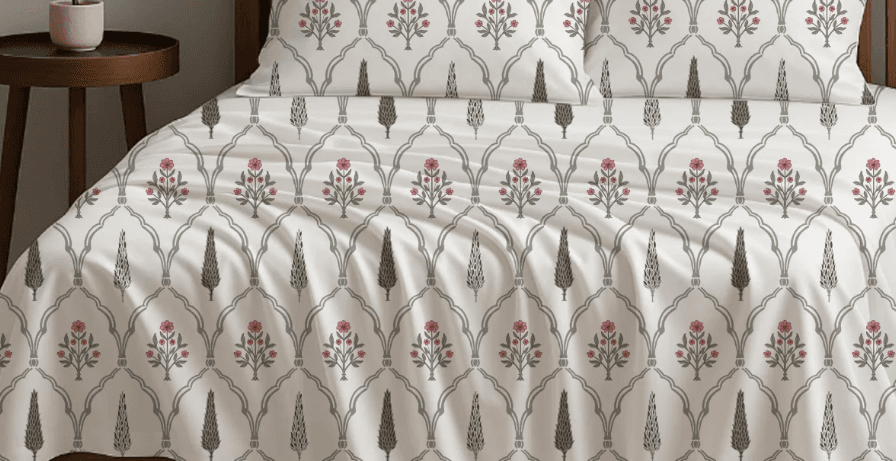


How Often Should You Change Your Bed Sheets? Expert Hygiene Guide
• By Anamika Choudhury
• 2025-12-26
• 9 mins read
Most people should change their bed sheets every 1–2 weeks. If you sweat heavily, have allergies, sleep with pets, or have sensitive skin, you should change them once a week. If you live in a cooler climate or sleep alone and your bed stays clean, changing sheets every two weeks is generally enough.
Why Changing Bed Sheets Regularly Matters?
Clean sheets are more than a visual pleasure. They directly influence the quality of your sleep, how refreshed you feel in the morning and even the health of your skin. Beds collect sweat, natural body oils and dead skin cells every night. These elements become food for dust mites, which thrive in warm and humid spaces. Over time, this buildup can affect respiratory comfort, trigger allergies and reduce the freshness of your bed. This is why the habit of changing sheets is not only about cleanliness but also about health and wellbeing.
Hygiene plays a major role here because bacteria and fungi accumulate more rapidly on unwashed sheets than many people realise. Even if your bed looks clean, microscopic organisms multiply quickly in fabrics, especially during warm seasons. This can lead to mild irritation or, in more severe cases, skin problems. Fresh sheets reduce this risk significantly and help create a healthier sleeping surface.
For people with sensitive skin, acne flare-ups or eczema, washing sheets regularly becomes even more important. Clean fabrics limit exposure to irritants that might cling to pillowcases and bedsheets. Maintaining a good washing schedule helps your skin remain calm and less reactive. In the long run, this small routine improves both comfort and confidence.
Choosing the Right Bed Sheet Change Schedule
How often you change your bed sheets plays a direct role in sleep comfort, skin health and overall hygiene. Even when sheets look clean, they collect sweat, skin cells, oils and allergens over time. For most households, changing bed sheets once every one to two weeks strikes the right balance between cleanliness and practicality.
This rhythm works well for people who sleep in well-ventilated rooms, do not sweat excessively and maintain regular bedtime hygiene.
If you want a more personalised guideline, here is a clearer breakdown based on lifestyle and environment.
Weekly Bed Sheet Change
Best for:
- People who sweat at night
- Those with allergies or asthma
- Homes where pets sleep on the bed
- Hot or humid climates
- Individuals with acne-prone or sensitive skin
Changing sheets weekly helps minimise allergen buildup, skin irritation and odour, especially in warm or high-humidity conditions.
Every 10 to 14 Days
Suitable for:
- Cool and dry climates
- Solo sleepers
- Homes without pets
- People who shower before bed regularly
This schedule works well when sweat, dust and moisture exposure is lower.
Once Every 3 to 4 Weeks
Only acceptable when:
- The bed is rarely used
- Guest rooms remain unoccupied
- Strict pre-sleep hygiene routines are followed
This should be the exception, not the norm, and only applies to low-use scenarios.
For most adults, changing bed sheets every one to two weeks is the sweet spot. Stretching beyond that may compromise hygiene and comfort, even if the bed appears clean.
How Often Should You Change Other Bedding Items?
Sheets are not the only fabrics that require attention. The rest of your bedding also plays a role in maintaining freshness and comfort. Each layer has its own recommended timeline depending on how frequently it comes in contact with your skin.
Pillowcases
Change every 3 to 7 days, especially if you have skin concerns. They accumulate oil, sweat and hair products much faster than sheets.
Duvet Covers
Wash every two to four weeks, depending on usage and weather conditions. Duvet covers trap dust and require regular cleaning to maintain freshness.
Blankets
Clean blankets every two to three months unless used daily. In such cases, washing once a month is ideal.
Mattress Protectors
Wash every one to two months. Mattresses are difficult to clean deeply, so protectors play an important role in maintaining hygiene.
Comforters
These can be washed every three to six months, provided a duvet cover is used. If not, consider washing more frequently.
Signs Your Bed Sheets Need Changing Sooner
Even if you follow a schedule, your sheets may need washing earlier than expected. Paying attention to these signs helps maintain a consistently clean sleep environment.
- A musty or stale smell when you enter the room or pull back the covers
- Visible stains or discolouration due to sweat, oils or spills
- Skin irritation or breakouts, especially around the face and shoulders
- Pet hair buildup, which traps dust and creates discomfort
- A gritty or dusty feel when you run your hands across the surface These signs indicate that invisible buildup is already present, and washing the sheets as soon as possible will restore freshness.
Best Washing Practices to Keep Sheets Fresh
Knowing how to wash your sheets correctly helps them stay soft, clean and long-lasting. Different fabrics respond differently to water temperature, detergents and drying methods, so following the right practices makes a noticeable difference.
Always begin with the care label, as it provides the manufacturer's recommended settings. Cotton sheets usually respond well to warm water, which removes oils effectively without damaging fibres. Linen sheets can be washed in cool water to maintain their natural texture, while microfiber sheets benefit from gentle cycles that reduce friction.
Drying your sheets properly ensures that they remain crisp and comfortable. Air drying keeps fabrics breathable and reduces wear, but machine drying on a low-heat setting is also safe for most materials. Avoid overheating, as it weakens fibres over time and can lead to shrinkage.
Here are fabric-specific washing tips that help maintain quality:
Cotton Sheets
- Use warm water for effective cleaning without damaging fibres.
- Avoid strong bleach because it weakens the weave over time.
- Tumble dry on low heat to maintain softness and prevent shrinkage. Linen Sheets
- Wash in cool water to preserve the natural texture.
- Avoid over-drying, as linen stiffens when exposed to too much heat.
- Shake out before drying to reduce wrinkles and maintain a smooth finish. Microfiber Sheets
- Wash on a gentle cycle to avoid friction that damages the fabric.
- Skip fabric softeners because they leave residue on synthetic fibres.
- Dry on low heat to prevent static and keep the fibres intact. Bamboo or Bamboo-Blend Sheets
- Use cold water and mild detergent to protect the natural bamboo fibres.
- Avoid high heat in the dryer; bamboo can shrink quickly.
- Remove promptly from the dryer to prevent creasing and maintain a silky feel. Silk Sheets
- Hand wash or use the delicate cycle with cold water.
- Always use a gentle, silk-safe detergent.
- Air dry flat or hang in shade, as sunlight can weaken silk proteins. Satin Sheets (Polyester Satin)
- Wash in cold water to maintain the glossy finish.
- Use a gentle cycle to avoid snags.
- Air dry or tumble dry on the lowest heat setting to preserve smoothness. Flannel Sheets
- Wash in warm water to lift body oils effectively.
- Use a gentle detergent to prevent pilling.
- Tumble dry on medium heat; avoid overdrying to keep the fabric fluffy. Following these steps ensures that your sheets remain fresh, smooth and durable over many washes.
Tips to Maintain Clean Bedding for Longer
Small habits can make a noticeable difference in how long your bedding stays fresh between washes. These routines help you extend the life of your sheets and keep your sleeping space consistently inviting.
- Shower before bed to reduce body oils and sweat on your sheets
- Keep pets off the bed to minimise fur and dust
- Use mattress and pillow protectors to create extra barriers against dirt
- Allow your bed to air out each morning by pulling back the covers for a few minutes
- Rotate between two or three sheet sets so each set lasts longer
Integrating these habits into your routine makes your bedding feel fresher every night and reduces the frequency of heavy laundry loads.

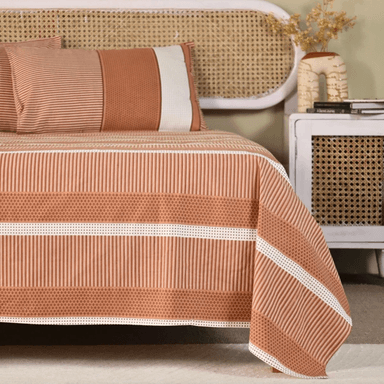

Pure Cotton Bedsheet with 2 Pillow Covers Handprinted in Jaipuri Design of Teal Green and Off White

Pure Cotton Double Bedsheet Set with 2 Pillow Covers Hand Printed in a Floral design In Pink & White | 100% Pure Cotton in Queen Size - 90 by 108 inches

Cotton Bed sheet with Pillow Cover in Mustard and Off White | Queen Size 90 x 108 Inches| Pure Cotton

Cotton Bedcover in Ivory and Taupe | Single and Queen Sizes | Pure Cotton

Cotton Bed Cover in Teal Colour Handwoven in Pure Cotton

Cotton Bed sheet Hand printed in Beige and White with 2 Pillow Covers | Textured Design |Handprinted
You May also Like
Benefits of Choosing Eco-Friendly Home Decor
• By Anamika
• 2026-01-07
Why choose Handmade Products over Mass-Produced Products
• By Anamika
• 2026-01-07

Lippan Art vs Other Indian Wall Arts: Key Differences & Which Is Best for Your Home
• By Richa Kumari
• 2026-01-02
How to Choose the Right Lippan Art Size for Your Wall | Expert Sizing Guide
• By Richa Kumari
• 2026-01-02
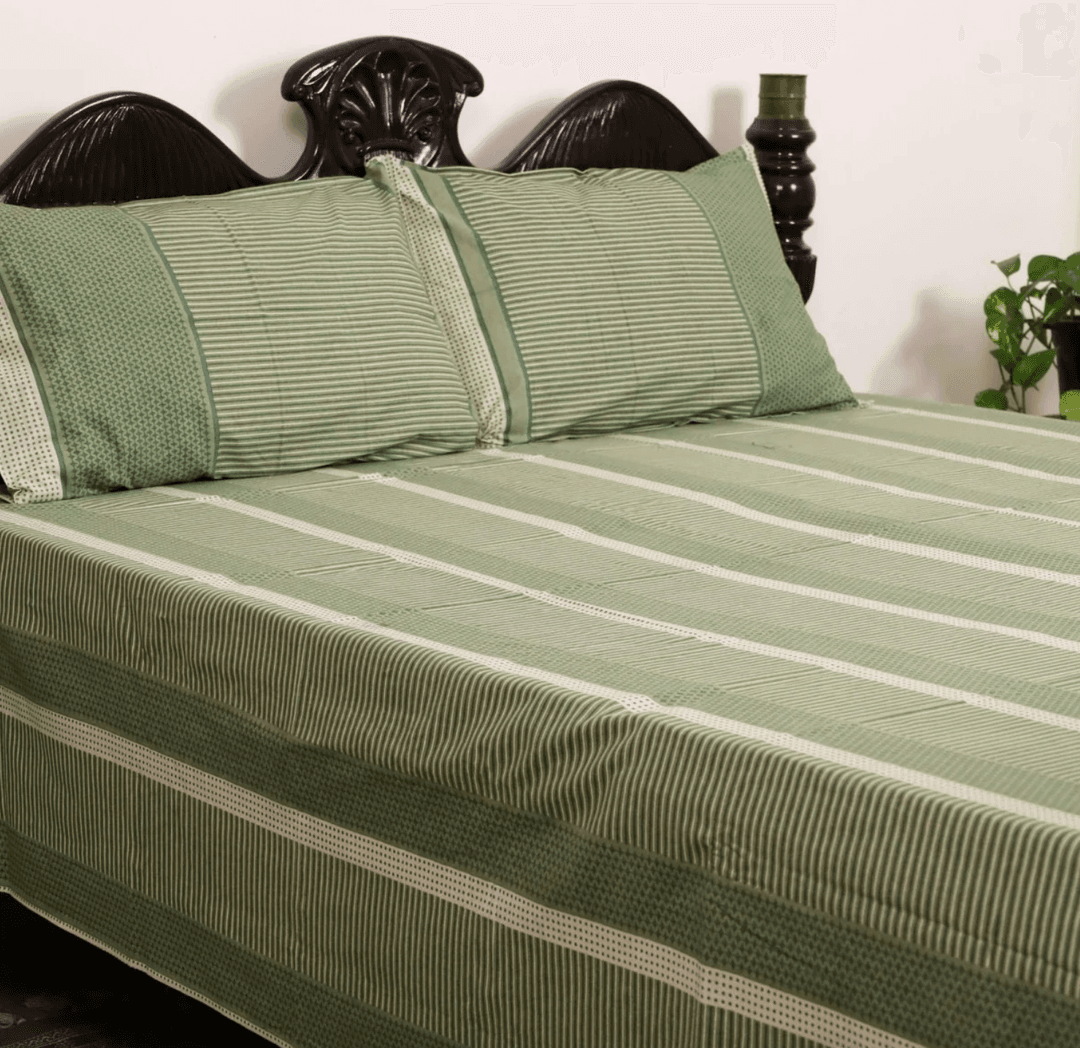
How to Select the Right Bedsheet for Summer, Winter & Monsoon
• By Richa Kumari
• 2026-01-02
Frequently Asked Questions
What happens if you do not change your sheets for two months?
A two-month gap allows bacteria, dust mites and sweat buildup to accumulate, which may lead to allergies, skin irritation and unpleasant odours.
How often should I wash sheets to avoid dust mites?
Weekly washing in warm water helps keep dust mites under control. For severe allergies, washing pillowcases twice weekly can help.
How often does the average person change their sheets?
Most people change their sheets every two to three weeks, though experts recommend a one- to two-week routine for better hygiene.
Can I wash sheets and pillowcases together?
Yes, as long as the load is not overcrowded. Overfilling the machine reduces cleaning efficiency and may leave residue behind.
Is it safe to use fabric softener on sheets?
You can use it occasionally, but avoid frequent use as it can reduce absorbency and create a film that traps heat.
 Free DeliveryAcross India
 100%Hand-crafted
 COD Available
 Easy Returns