




Lippan Art vs Other Indian Wall Arts: Key Differences & Which Is Best for Your Home
• By Richa Kumari
• 2026-01-02
• 9 mins read
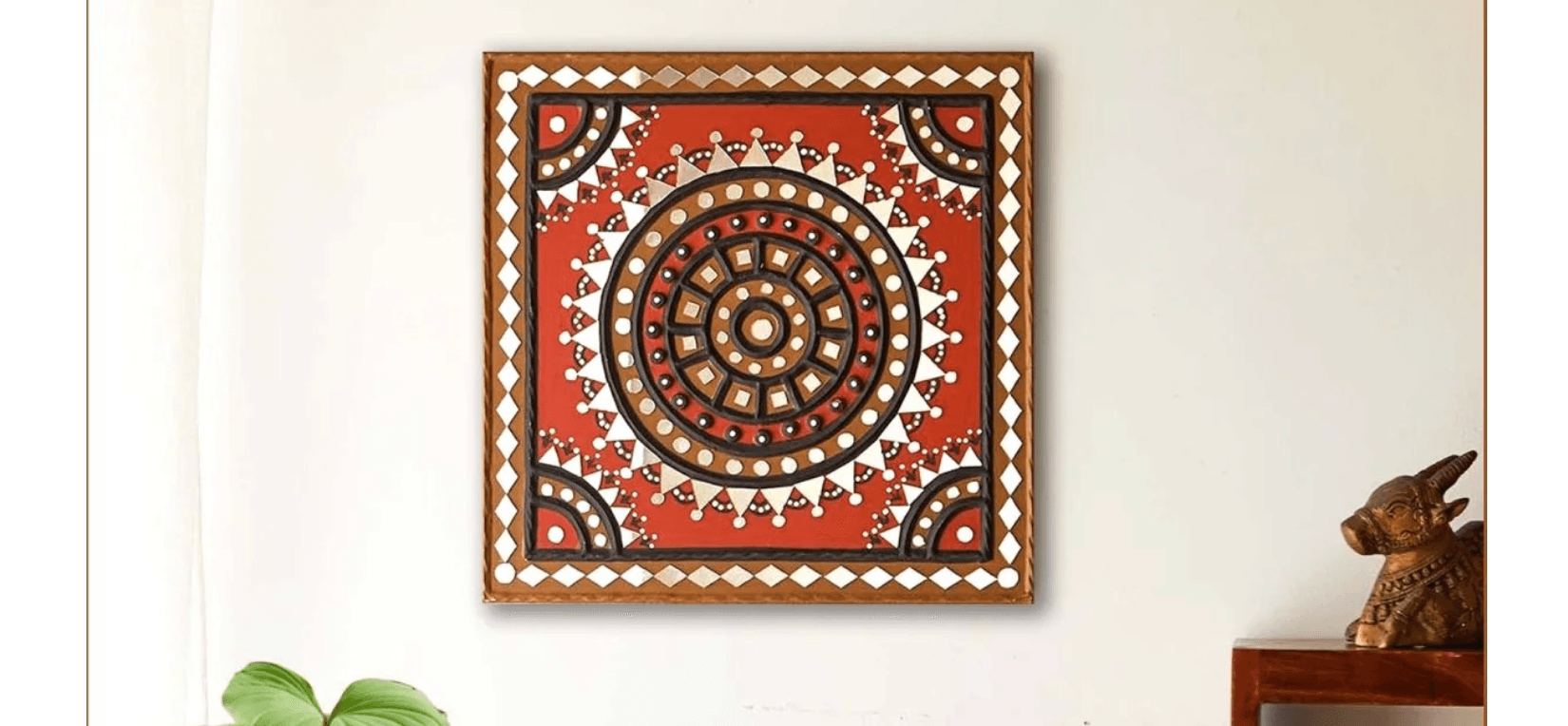
Lippan art stands out among Indian wall arts because it blends earth, mirror work and hand-sculpted texture in a way that feels both ancient and surprisingly modern. Instead of telling stories through painted figures or colourful scenes, Lippan creates an experience through raised patterns, mud coils and small reflective mirrors that catch the light. This gives a calming yet dramatic effect without relying on bright colours. Many people gravitate toward Lippan because it complements neutral homes, adds depth to plain walls and fits beautifully into contemporary decor styles.
Most other Indian wall art forms depend heavily on colour, mythology, nature or tribal storytelling. They are rich, expressive and vivid, often designed to transform a wall with narrative energy. Lippan, on the other hand, transforms a wall through texture and reflection. Where painted arts focus on visual storytelling, Lippan focuses on craft, structure and light. This simple difference explains why Lippan feels both ancient and minimal while still holding strong cultural roots.
Different Types of Indian Wall Arts for Home Decor
India is home to an incredibly diverse range of wall arts, each shaped by its region, climate, traditions and community stories. Before comparing them directly with Lippan, it helps to understand what these arts look like and what makes them special. Knowing these differences also helps homeowners choose the style that feels most natural for their space.
- Madhubani Art, BiharMadhubani paintings are instantly recognisable for their bright colours, intricate linework and dense patterns. These artworks often depict mythological themes, festivals and elements from nature such as fish, birds and trees. Their expressive style fills up a wall with energy and movement.
- Gond Art, Central IndiaGond artists use bold outlines, repetitive dots and lines to create animals, forests and scenes from everyday tribal life. Even simple figures look modern because of the way patterns are arranged. Gond art works wonderfully in both colourful homes and modern graphic interiors.
- Pichwai Art, RajasthanDeeply devotional and ornate, Pichwai paintings portray Krishna, lotus ponds, celestial cows and detailed temple scenes. They carry a rich cultural presence and feel luxurious, making them ideal for pooja rooms or traditional living spaces.
- Tanjore Art, Tamil NaduKnown for its gold work, embossed textures and divine figures, Tanjore art has a royal, temple-like appeal. It feels formal and elegant, often chosen to create a spiritual or ceremonial feel in a home.
- Kerala Mural Art, KeralaKerala murals use a warm palette of ochre, red, green and earthy tones. They often depict mythological characters with expressive faces and elaborate scenes. These murals bring depth and storytelling to larger walls.
- Warli Art, MaharashtraMinimal, tribal and rooted in village life, Warli art uses simple white stick figures on red or brown backgrounds. It feels clean, symbolic and timeless, fitting well into modern, rustic or minimalist homes.
- Kalamkari Art, Andhra and TelanganaKalamkari uses hand painting or block printing to create floral borders, mythological tales and earthy decorative motifs. These artworks feel handcrafted and grounded, often displayed on fabric, wood or canvas.
Key Differences Between Lippan Art and Other Indian Wall Arts
Once you understand the landscape of Indian wall art, the differences between Lippan and other forms become clearer. This will help you to visualise how each style behaves on a wall and which one aligns with your personal taste.
1. Material and Base
- Lippan is built using clay or mud mixed with natural binders, shaped into raised patterns and finished with small mirrors on MDF or walls.
- Most other Indian wall arts are painted using natural pigments, acrylics, fabric dyes, gold leaves or ink on cloth, canvas or wooden boards.
2. Texture and Depth
- Lippan is naturally three dimensional. You can see and feel the coils, ridges and reflective bits.
- Other wall arts are usually flat, relying on colour combinations, detailing and brushwork for impact.
3. Colour and Visual Mood
- Lippan leans toward earthy tones like white, beige and natural clay, with sparkle coming from mirrors rather than pigments.
- Other Indian arts are rich, bright, bold and full of visual storytelling, using colours to carry emotion.
4. Themes and Motifs
- Lippan motifs are mostly geometric, abstract or inspired by nature, designed to create harmony and calm.
- Painted folk arts often explore gods, festivals, rituals, village life and traditional stories.
5. How They Look in a Home
- Lippan suits modern, minimal, neutral, boho and earthy homes because it adds texture without overwhelming the space.
- Other folk arts suit traditional, vibrant, maximal, or culture-heavy interiors that can hold strong colour narratives.
Which Wall Art Is Best for Your Home?
Choosing the right wall art is more about your home’s personality than the art form itself. If your home has neutral walls, soft furnishings and modern furniture, Lippan blends beautifully because it adds form without adding too much colour. It introduces texture, depth and shimmer in a quiet, elegant way. For small rooms or calm corners, Lippan becomes a subtle statement piece that brightens and softens the environment.
If your home celebrates colour, tradition or storytelling, painted folk arts may be a better fit. These pieces create visual richness, spark conversations and instantly energise a room. Homes with large empty walls can also benefit from detailed artworks like Madhubani or Pichwai that fill space with meaning. There is no single best choice, only what supports the mood you want to create. Think about whether you want a calm wall or a dramatic one, a textural look or a colourful story.
Why Choose Lippan Art for Your Home?
Lippan art has become increasingly popular because it offers the perfect balance between tradition and modern style. It feels handcrafted and rooted in culture while still complementing modern minimal interiors. The reflective mirrors brighten dark corners, and the raised mud patterns add a sculptural quality that regular paintings cannot provide. It looks premium without feeling too heavy or ornate. Lippan works well as a single statement piece, a grouping of smaller panels or even a subtle addition to rooms that already have strong decor elements.
Things to Check Before Buying Lippan Art Online
Buying Lippan wall art online can feel overwhelming, especially when every piece looks beautiful on screen. Lippan art needs a little extra attention because it combines mud, mirrors and handcrafted detail. A closer look at materials, finish and installation features helps you choose a piece that lasts long and stays visually striking.
Before you place an order, check the size and imagine how it will sit on your wall. Many buyers choose pieces that are either too small to make an impact or too large for the room. Weight is equally important because heavier panels need stronger hooks and proper mounting support. Look at the backing material, the thickness of the board and the type of hooks provided. These details decide whether the artwork will hang safely without future adjustments.
Quality matters a lot in Lippan art. Observe whether the clay work looks smooth, evenly shaped and firmly fixed. Mirrors should be aligned properly and attached cleanly, without loose edges or visible glue marks. A sealed finish is generally better because it protects the artwork from dust and humidity, especially in Indian homes where seasons vary. Always check the seller’s information on packaging, delivery timelines and return policies so your artwork arrives safely and damage-free.
Your quick pre-purchase checklist
- Confirm the size and proportion of the artwork.
- Check the weight to understand installation needs.
- Look at the backing board and hanging hardware.
- Study pictures for clean clay lines and well-fixed mirrors.
- Choose sealed pieces for better protection.
- Read reviews for packaging and delivery experience.
These small checks ensure you choose a Lippan piece that looks beautiful on your wall and stays that way for years.

White Sparkles Hut Inspired Mud Decor Mirror - 14 inches X 14 inches / Clay & Mirrors on Ply / White

Round Pink Handcrafted Mud & Mirror Work Wall Art (Set of 2) - 6 inches diameter / Clay & Mirrors on Ply / Pink

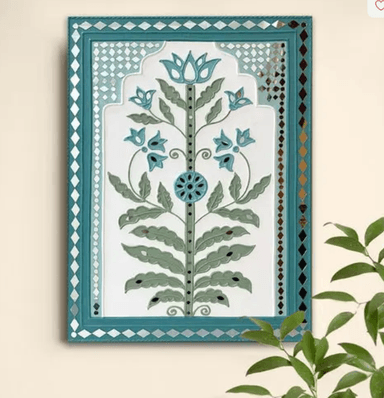
Blue Sparkle Handmade Mud Art Wall Hanging - 16 inches X 22 inches / Clay & Mirrors on Ply / Persian Blue & White

Wall Hanging made with Mud Art Ocean Blue Sparkles Handmade | Lippan Art - Light-blue, White & light-green / 18 inches X 18 inches / Clay & Mirrors on Ply

Tealight Holder in Green Colour Handcrafted with Mud and Mirrors in the Lippan Craft from Kutch Area | Add a Warm Glow to Your Home

Bright Brick Red Handcrafted Mud Art Mirror - 14 inches X 14 inches / Clay & Mirrors on Ply / Brick-Red
You May also Like
Benefits of Choosing Eco-Friendly Home Decor
• By Anamika
• 2026-01-07
Why choose Handmade Products over Mass-Produced Products
• By Anamika
• 2026-01-07
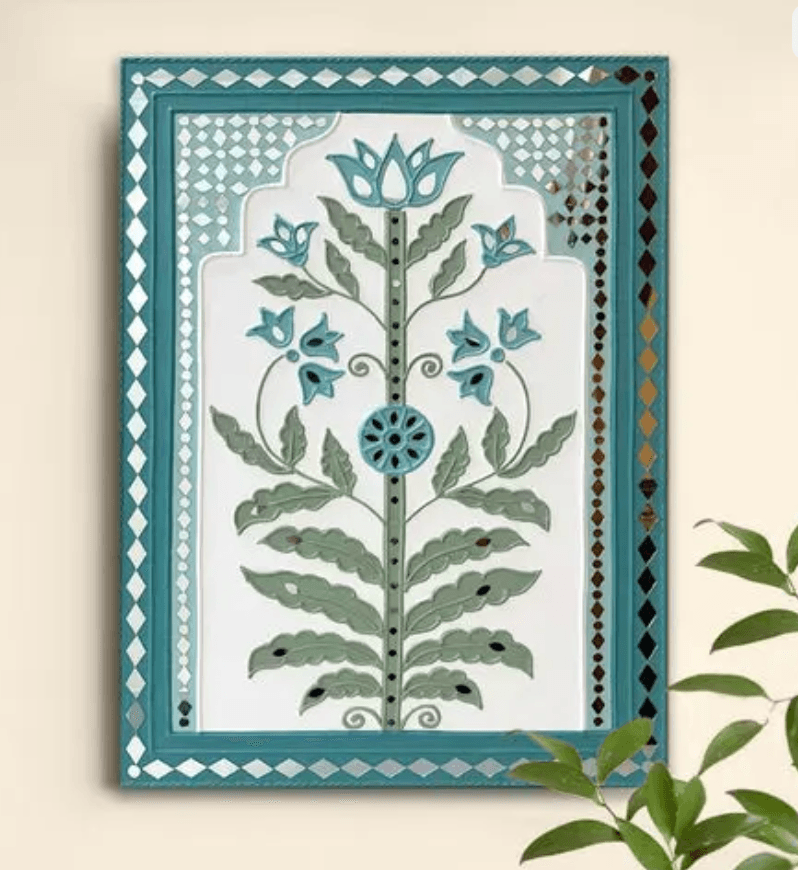
How to Choose the Right Lippan Art Size for Your Wall | Expert Sizing Guide
• By Richa Kumari
• 2026-01-02
How to Select the Right Bedsheet for Summer, Winter & Monsoon
• By Richa Kumari
• 2026-01-02
Bed Sheet vs Bedspread: Key Differences & How to Choose the Right One
• By Richa Kumari
• 2026-01-02
Frequently Asked Questions
Can Lippan art work in humid rooms?
Yes, if it is sealed properly and placed away from direct moisture. Bathrooms and balconies need extra care.
Can Lippan be mixed with other wall arts?
Absolutely. It pairs well with wooden frames, boho decor, metal accents and neutral artwork when arranged thoughtfully.
Do the mirrors fade or fall off over time?
Good-quality handmade pieces use strong adhesives, so the mirrors remain secure. Regular gentle dusting helps maintain their shine.
 Free DeliveryAcross India
 100%Hand-crafted
 COD Available
 Easy Returns