


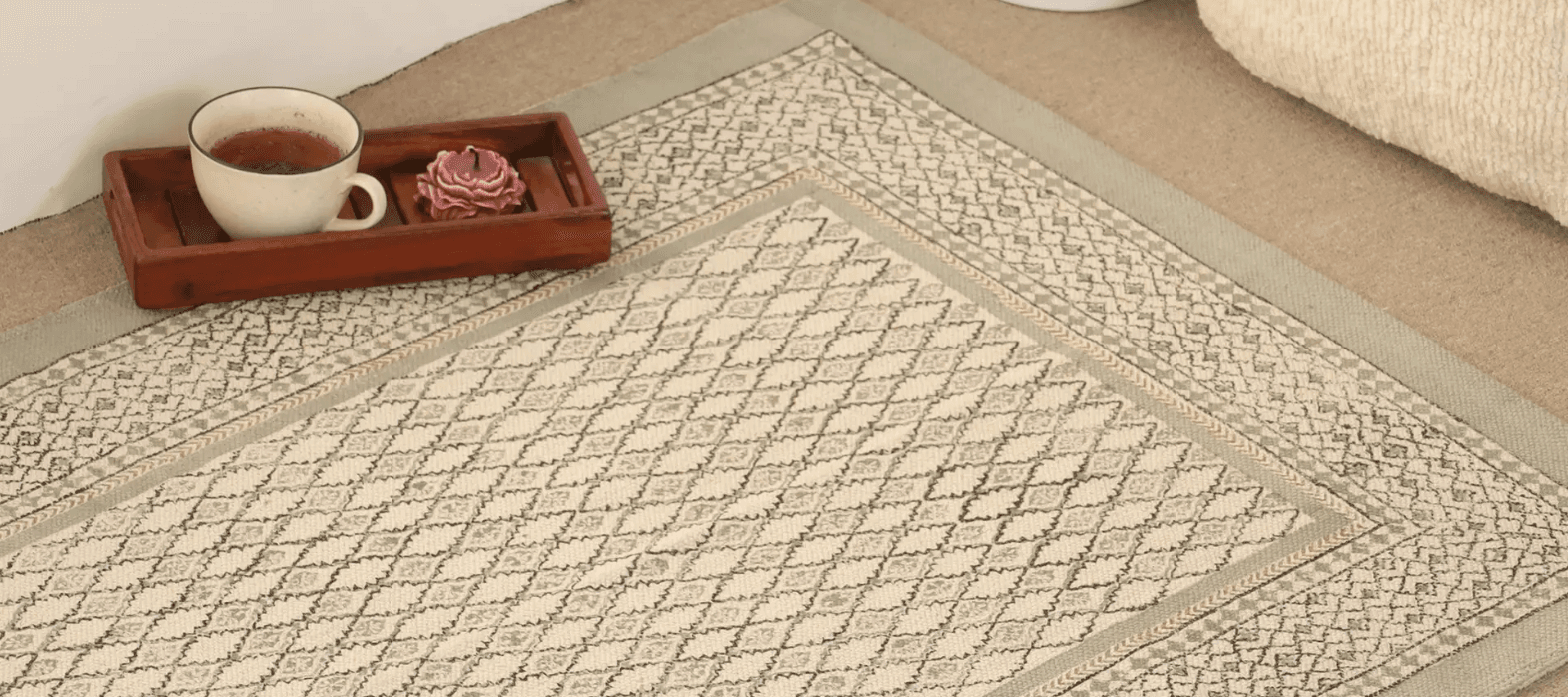


Rug Size Guide for Living Room, Bedroom & Hall | Standard Rug Dimensions
• By Richa
• 2025-12-08
• 21 mins read
Rug sizes are typically offered in 2x3 ft, 3x5 ft, 4x6 ft, 5x7 ft, 6x9 ft, 8x10 ft, 9x12 ft, 12x15 ft and runners like 2.5x6 ft, 2.5x8 ft or 3x10 ft each serving a different purpose in your home. The right size can ground a room beautifully, while the wrong one can throw the proportions off immediately. In this guide, you’ll find the standard rug dimensions used across Indian homes and simple placement rules for living rooms, bedrooms, halls, and entryways which will help you choose a rug that feels intentional, fits comfortably, and brings the entire room together effortlessly.
What Are the Standard Rug Sizes?
Rugs are made in universal sizes that cater to different room shapes and furniture arrangements. Understanding what each size is meant for helps you choose the right one for your home without guesswork.
2x3 ft (Small Accent Rug)
Ideal for doorways, dressing areas, powder rooms, and kitchen sink corners. This size is great for creating small visual highlights or softening high-use spots. It works well in compact urban homes where space is limited but comfort is still needed.
3x5 ft (Small Area Rug)
One of the most versatile sizes for small living rooms, balconies, study corners, or beside the bed. It adds colour and structure without occupying too much floor space.
4x6 ft (Medium Area Rug)
Best for children’s rooms, study rooms, or compact bedrooms. It offers enough coverage to define a seating zone or soften the floor around a bed. This size is also a good layering piece in larger rooms.
5x7 ft (Medium Room Rug)
Commonly used in average-sized Indian living rooms where the sofa cannot sit fully on the rug. It works beautifully with a “front-leg placement,” creating a clean, anchored look for the seating area. Also suitable under small dining tables or in bedrooms.
6x9 ft (Large Area Rug)
Fits medium-sized living rooms, master bedrooms, or queen-bed setups. This size begins to unify furniture pieces into a single cohesive cluster. It also leaves enough border space to show the flooring beneath for a balanced aesthetic.
8x10 ft (Premium Large Rug)
Ideal for spacious living rooms, large seating layouts, open-plan apartments, and king bedrooms. It allows nearly all furniture legs to sit on the rug, creating a luxurious, well-composed look.
9x12 ft (Grand Drawing Room Rug)
Perfect for large drawing rooms with multiple seating pieces. This size anchors sectional sofas, large coffee tables, and accent chairs effortlessly while filling the room with warmth and structure.
12x15 ft (Extra-Large / Villa-Size Rug)
Used in expansive villas or large formal spaces. It provides rich, full-room coverage and creates a luxurious, hotel-like ambience. Best suited for homes with very large floor plans and high ceilings.
Standard Runner Sizes
Runners are long, narrow rugs designed for passageways:
- 2x6 ft
- 2.5x8 ft
- 3x10 ft
They fit hallways, kitchen aisles, long foyers, or alongside beds.
Rug Shapes & How to Choose the Right One for Your Space
Rugs don’t just come in different sizes, their shape plays an equally important role in how your room looks, feels, and flows. The right shape can make a compact room feel larger, soften sharp corners, highlight a seating cluster, or add elegance to an otherwise plain layout. Choosing the right rug shape also prevents visual clutter and ensures the room’s geometry feels balanced and intentional.
1. Rectangular Rugs
Rectangular rugs are the standard choice for living rooms, bedrooms, hallways, dining areas, and drawing rooms. Their long, clean lines follow the natural architecture of most Indian homes, making the space feel structured and proportionate.
2. Square Rugs
Square rugs bring harmony and proportion to spaces that are nearly square or have a symmetrical layout. They also help unify compact seating clusters without stretching the room visually.
3. Round Rugs
Round rugs soften sharp lines in a room and create a friendly, flowing look. They make tight spaces feel more open and are effective in areas with curved decor or minimal furniture.
4. Oval Rugs
Oval rugs offer the softness of round rugs but with a longer footprint that suits larger rooms. Their elongated curves create a sophisticated look and work beautifully with classic or contemporary decor.
5. Runner Rugs
Runner rugs are designed specifically for narrow spaces. They are functional as well as decorative, guiding movement while protecting flooring in high-traffic areas.
6. Free-Form Rugs
Irregular or abstract-shaped rugs are popular in modern interiors. They break rigid lines and create strong visual interest without needing a lot of space.
Standard Carpet Sizes for Indian Homes
Carpets in Indian homes are often larger than rugs and used as full-room coverings rather than sectional accents. Here’s how they fit into typical homes:
Small Carpet Sizes (4x6 ft, 5x7 ft)
Perfect for compact living rooms, bedroom corners, and rental homes where floor space is limited. These sizes help define modest seating zones without overwhelming the room.
Medium Carpet Sizes (6x9 ft, 7x10 ft)
Ideal for average Indian living rooms and master bedrooms. They offer enough floor coverage to unify the space without hiding too much of the flooring pattern or tiles.
Large Carpet Sizes (8x10 ft, 9x12 ft, 10x14 ft)
Great for large drawing rooms, spacious bedrooms, and formal seating clusters. These sizes create a premium look and feel, making the space appear larger and more cohesive.
How Do Carpet Sizes Differ from Rug Sizes?
Carpets generally cover larger areas and often sit under most furniture. Rugs, on the other hand, are meant to highlight zones, such as seating clusters, bedside areas, or hallways. Rugs offer greater flexibility for styling, movement, and layering.
Rug Size Guide for Living Room
Choosing the right rug size for the living room is one of the biggest factors in making the space feel balanced, intentional, and visually complete. A rug that is too small makes the room look scattered, while an oversized one can crowd the layout or hide the flooring pattern. The correct living room rug acts as a visual anchor, bringing together the sofa, chairs, and coffee table into a unified seating cluster. In Indian homes-where living rooms often double as drawing rooms-the right rug size enhances comfort and creates an inviting environment for guests. Below are the best sizes depending on room dimension, furniture spread, and layout preferences.
Best Rug Sizes for Small Living Rooms
Rug sizes: 4x6 ft, 5x7 ft, and 3x5 ft.
Why these sizes work: They define the seating area without overcrowding the room. These dimensions let the rug slide under the front legs of the sofa for a balanced layout and extend slightly beyond the coffee table to keep the proportions cohesive. They also leave enough visible floor space, helping a compact room feel open, airy, and uncluttered.
Ideal Rug Sizes for Medium Living Rooms
Rug sizes: 5x7 ft, 6x9 ft, and 7x10 ft.
Why these sizes work: They connect the seating area visually, making the room feel more cohesive. Rugs in this range fit under the front legs of the sofa and the coffee table, creating a balanced structure. Slightly larger sizes like 6x9 ft also enhance the room’s overall aesthetic while still leaving enough floor border to keep the space airy and refined.
Rug Sizes for Large Drawing Rooms
Rug sizes: 8x10 ft, 9x12 ft, and 10x14 ft.
Why these sizes work: They match the scale of bigger furniture and open layouts, allowing most seating pieces to sit fully or partly on the rug for a cohesive, luxurious look. Large rugs also help zone open spaces and soften sound, making big rooms feel warmer and more anchored.
Placement Options: Front-Legs, Full-Sofa & Floating Layout
There are three primary placement techniques used by interior designers, each creating a different visual impact.
- Front-leg placement involves placing only the front legs of the sofa on the rug, which works well for 5x7 ft and 6x9 ft rugs in medium living rooms.
- Full-sofa placement means the entire sofa rests on the rug, ideal for 8x10 ft and larger rugs, giving a high-end, professionally designed finish.
- Floating placement, where the rug sits in front of the seating cluster without touching the legs, is suitable for small living rooms or rental homes wanting minimal movement.
Each method affects proportion, balance, and comfort differently, and choosing the right one depends on the size of the room and the furniture layout.
Together, these placement styles offer flexibility while ensuring the rug visually anchors the space.
Rug Size Guide for Bedroom
Selecting the right bedroom rug is not just about comfort underfoot-it dramatically changes how grounded, warm, and complete the room feels. A rug that’s too small will look like an afterthought, while one that is proportionate to the bed size creates symmetry and balance. Bedrooms in Indian homes often have limited circulation space around the bed, so choosing the right dimension becomes even more important. Whether you have a king bed, queen bed, or a compact room layout, a well-sized rug softens the acoustics, adds visual luxury, and enhances your morning experience. Below is a detailed breakdown of ideal rug sizes for every bedroom style and room size.
Best Rug Sizes for a King Bed
Rug sizes: 8x10 ft, 9x12 ft, and 10x14 ft.
Why these sizes work: They extend 2 to 3 feet beyond the sides and foot of the bed, ensuring the rug stays visible and adds proper proportion. These rugs also add warmth, especially on tile or marble floors, and help unify additional lounge or workspace zones in bigger bedrooms.
Best Rug Sizes for a Queen Bed
Rug sizes: 6x9 ft, 7x10 ft, and 5x8 ft.
Why these sizes work: A 6x9 ft rug gives the most balanced fit with soft landing on both sides. A 7x10 ft rug adds a more premium look in slightly larger rooms. For compact bedrooms, a 5x8 ft rug placed under the lower two-thirds of the bed keeps the area open and makes the space feel bigger.
Runner Placement for Both Sides of the Bed
If a full-size rug doesn’t fit, runners are a practical alternative. Sizes like 2x6 ft, 2x8 ft, and 2.5x7 ft give you a soft landing without covering the whole floor. They work well in smaller or minimalist bedrooms and can be matched for symmetry or mixed for a subtle, eclectic touch. Place them parallel to the bed for a tidy, structured look. Cotton runners add warmth without overwhelming the space.
Rug Size Guidance for Small vs Large Bedrooms
Small bedrooms work well with 5x7 ft, 4x6 ft, or runners that define the bed area without blocking movement. Larger bedrooms suit 8x10 ft or 9x12 ft rugs that unify the furniture and reduce empty floor space. Keep 8 to 12 inches of visible flooring around the edges for balance. The right size keeps the room grounded without feeling crowded.
Rug Size Guide for Hallway & Entrance
Hallways and entrances are often the most overlooked spaces when it comes to rug sizing, yet they set the tone for the entire home. A correctly sized rug not only enhances functionality-reducing dust, noise, and floor wear-but also creates a welcoming visual pathway. Because these areas tend to be narrow and long, the proportions of the rug become especially important. Choosing the right length, width, and placement can instantly make a hallway feel structured, cohesive, and thoughtfully designed. Below is a complete guide to selecting the right rug sizes for entrances, corridors, and hallways in Indian homes.
Standard Runner Sizes for Hallways
Runner sizes: 2x6 ft, 2x8 ft, 2.5x7 ft, and 3x10 ft.
Why these sizes work: They fit narrow hallways well and create a visual path that makes the space feel longer. Covering most of the hallway length keeps the look balanced, while leaving a few inches on each side maintains symmetry. Flatweave or natural-fibre runners stay flat, handle foot traffic easily, and are simple to maintain.
Entryway Rug Dimensions (For Foyers & Main Doors)
Entryway rug sizes: 2x3 ft, 3x5 ft, and 4x6 ft.
Why these sizes work: A 2x3 ft rug is perfect for catching dust and moisture at the door, while a 3x5 ft rug creates a more welcoming layout. Larger entryways suit 4x6 ft rugs that neatly frame the foyer. Durable materials and patterned or medium-toned designs help hide footprints and keep the space looking clean.
Door Mat Sizes (For Main Doors & Interior Doors)
Mat sizes: 1.5x2 ft, 2x3 ft, and 2x4 ft.
Why these sizes work: They align well with the width of most doorways and offer clean visual framing. These sizes effectively trap dust and moisture, especially when made from durable materials like coir or rubber-backed cotton. Thinner mats work best indoors to avoid blocking the door swing, and matching their colour with a hallway runner creates a smooth visual flow.
Center Rug Sizing for Long Halls
Centre rug sizes: 4x6 ft, 5x7 ft, and 6x9 ft.
Why these sizes work: They fill wider hallways better than narrow runners and create a more anchored, luxurious look. Leaving equal borders on each side keeps the layout balanced, while larger patterns and colours work well because the rug becomes a focal point. Centre rugs also add warmth, reduce echo, and elevate the hallway’s overall design.
How to Choose Rug Size Based on Room Dimensions?
Choosing the right rug size depends on how well it fits your room’s proportions. Large rooms need rugs that anchor the furniture, while small rooms need rugs that open up the space. Measuring carefully and following simple proportion rules helps the rug look intentional.
Measuring the Room Measure the full floor area, including furniture, door swings, and walkways. Leave 6 to 12 inches of visible flooring around the rug. In very small rooms, a 4 to 6 inch border also works as long as some breathing space remains.
Leaving Border Space A visible border acts like a frame and prevents the room from feeling cramped. Most rooms look balanced with an 8 to 12 inch margin. If the rug touches all four walls, it feels like carpet. Too much border makes the rug look small. The goal is proportion.
Rug-to-Floor Proportion Rules Use the 60-40 rule where the rug covers about 60 percent of the floor. Or follow the two-thirds rule, where the rug is at least two-thirds the length of your main furniture piece. These guidelines help the rug anchor the room without overwhelming it.
Rug Sizes for Common Indian Rooms
A 10x12 ft living room usually fits a 5x7 ft rug. A 12x15 ft room works well with 6x9 ft. Bedrooms around 10x11 ft suit a 4x6 ft rug or two runners. Larger 12x14 ft bedrooms work with 5x7 ft at the foot or 6x9 ft for wider coverage. Matching sizes to typical room dimensions keeps the scale right.
Rug Placement Rules for a Perfect Fit
Placing a rug the right way can completely transform a room-sometimes even more than the size or colour itself. Placement determines how cohesive your furniture looks, how grounded your seating arrangement feels, and how open or balanced the space appears. A well-placed rug can make a small room feel larger, define a seating zone in an open layout, or make a bedroom look intentionally styled. The key is aligning the rug with your furniture, not just the centre of the room. Below are placement rules that help create polished, interior-designer-level results in any home.
Orientation: Align the Rug With the Room Layout
A rug should follow the shape and direction of the room. In rectangular rooms, choose a rectangular rug and place it parallel to the longest wall for a cleaner flow. In square rooms, both square and rectangular rugs work as long as they follow the main movement paths. Avoid diagonal placement, as it makes the space feel unbalanced. Aligning the rug with the room’s natural lines keeps the layout grounded and cohesive.
Furniture Legs On or Off
Designers prefer three standard approaches: all legs on, front legs on, or no legs on-but the key is committing to one rather than mixing styles.
- All legs on creates a unified seating cluster in larger rooms, making everything look anchored and intentional.
- Front legs on is ideal for medium spaces where you want connection without consuming too much floor space.
- No legs on works for small rooms where the rug acts as an accent rather than a zone anchor.
- Mixing leg placements confuses the eye, so the goal is visual consistency across all main furniture pieces.
Align the Rug With the Seating or Bed Cluster
A rug should connect to the main furniture group, not float on its own. In living rooms, align the rug with the sofa and coffee table, not the TV unit. It should sit centered under the seating so the whole area reads as one unified zone. In bedrooms, align the rug with the bed frame, not wardrobes or side pieces. Proper alignment clearly defines the space and makes the layout feel more styled and cohesive.
Balance the Room Visually With Equal Margins
A room looks balanced when both sides of the rug show similar amounts of visible floor. Too much floor on one side and too little on the other creates a lopsided feel. Center the rug relative to key elements like sofas, beds, or dining tables. Keeping equal margins instantly adds symmetry and calmness, and even small shifts of 2 to 3 inches can make the space look much more polished.
Rug Size Mistakes to Avoid
Choosing the right rug is not just about picking a size. A few common mistakes can throw off room proportions or make a rug look out of place. Here are the key errors to avoid so your rug enhances the room instead of overwhelming it.
Choosing rugs that are too small Small rugs leave too much empty floor and make the seating area look disconnected. A rug should anchor the sofa, chairs, and table, not float in the centre. Always choose a size that reaches or sits under the main furniture pieces.
Ignoring door clearance and movement paths Rugs that block door swings cause curling, friction marks, and daily inconvenience. Measure door clearance before placing a rug, especially near entrances or balcony doors. Ensure the rug lies flat even when the door is fully open.
Using the wrong proportions for the room shape A rug that doesn’t match the room’s shape creates imbalance. A small rectangular rug in a long room or a square rug in a rectangular space leaves awkward empty areas. Pick a rug shape that mirrors the room’s layout for a cohesive look.
Choosing oversized rugs that cover too much flooring Very large rugs hide floor texture and make the room feel boxed in. Leaving a clear border of visible flooring helps frame the layout. Aim for 8 to 12 inches of space around the rug for balanced proportions.
Using busy patterns in small rooms Heavy, high-contrast patterns can overwhelm compact rooms. Subtle or mid-scale patterns work better because they add style without visually shrinking the space.
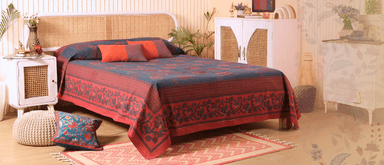


Cotton Rug for living room hand printed in Jaipuri honey mustard design | Cotton | Floor rug

Cotton Rug for living room Hand Printed in Jaipuri olive green design | Cotton | Floor rug

Cotton Rug Handcrafted in Indigo and Beige Kalamkari Print | Handmade in India - 5 ft X 3 ft / Pure Cotton / Indigo

Handcrafted Kalamkari Print Cotton Rug with a Floral Pattern - 5 ft X 3 ft / Pure Cotton / Multicolor

Cotton Rug for living room Hand Printed in Mandana Block Design and Rust brown colour| Floor rug

Cotton Rug Hand Block Printed in Maroon and Black Colour | Soft Washable and Durable Carpet for Living Room or Bedroom
You May also Like
Benefits of Choosing Eco-Friendly Home Decor
• By Anamika
• 2026-01-07
Why choose Handmade Products over Mass-Produced Products
• By Anamika
• 2026-01-07

Lippan Art vs Other Indian Wall Arts: Key Differences & Which Is Best for Your Home
• By Richa Kumari
• 2026-01-02
How to Choose the Right Lippan Art Size for Your Wall | Expert Sizing Guide
• By Richa Kumari
• 2026-01-02
How to Select the Right Bedsheet for Summer, Winter & Monsoon
• By Richa Kumari
• 2026-01-02
Frequently Asked Questions
1) How do I choose the right rug size and shape?
Pick a size that anchors your main furniture and leaves an 8–12 inch border. Choose a shape that matches the room’s geometry - rectangular for most rooms, round/oval for softening, and runners for narrow spaces.
2) What is the rule for selecting area rug size?
Follow the 60-40 or two-thirds rule: the rug should cover around 60% of the visible floor or be two-thirds the length of your sofa or bed. This keeps the room visually balanced.
3) When measuring a rug, which side is length and which is width?
Rug sizes are written as length x width, with length mentioned first. Example: 5x7 ft means 7 ft length and 5 ft width.
 Free DeliveryAcross India
 100%Hand-crafted
 COD Available
 Easy Returns