


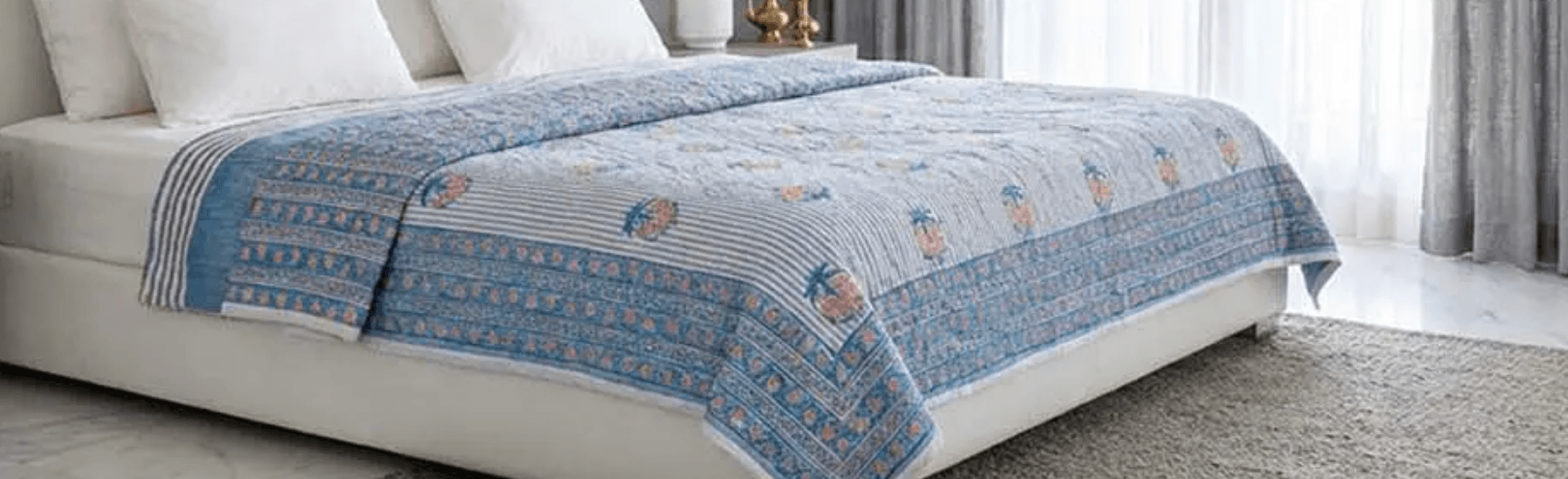


What Is a Dohar? Material & Uses Complete Guide
• By Richa Kumari
• 2025-12-08
• 20 mins read
A dohar is a lightweight, soft, and breathable Indian blanket traditionally made using multiple layers of fine cotton or mulmul. Unlike thick quilts or comforters, a dohar offers gentle warmth without trapping heat, making it perfect for India’s climate and modern AC homes. The word “dohar” comes from “dohrana,” meaning “to layer,” which explains its unique layered construction. Dohars have been used in Indian households for generations because they feel cool against the skin, stay fresh in humid weather, and provide just the right amount of comfort throughout the year. Today, they are preferred for their softness, breathability, and versatility ideal for kids, elders, and anyone who wants a cosy blanket without heaviness.
How a Dohar Is Made: Layers & Construction
The 3-Layer Muslin/Cotton Structure
Most traditional dohars are crafted using three layers of fine cotton or mulmul. The outer two layers feature soft printed fabric, while the middle layer is a plain cotton panel that adds structure. These layers are carefully aligned and stitched to create a breathable blanket that doesn’t feel bulky. The multilayer method is what keeps dohars cool in summer yet cosy enough for light warmth at night.
The Soft Flannel Inner Layer
Some modern dohars include a thin flannel layer in the middle for slightly enhanced insulation. The flannel remains extremely lightweight, ensuring the dohar stays soft and airy while offering mild warmth. This inner layer is especially useful in AC rooms or during mild winters, where you need comfort without heaviness.
How Edges Are Stitched & Finished?
A signature detail of dohars is their sturdy, piped edges. The sides are neatly stitched with cotton binding to hold all layers in place and prevent fraying. This gives the dohar durability, shape retention, and a clean finished look. The edge finish also ensures the layers don’t separate even after multiple washes.
Why Does This Construction Keep a Dohar Lightweight?
Dohars rely on breathable fabrics and thin layers, which prevent heat-trapping. Because there is no thick filling, they stay airy and cool while still providing comfort. This lightweight construction makes them ideal for daily use, easy to fold, easy to carry, and ideal for every season from summer to mild winters.
Materials Used in a Dohar
Dohars are loved for their gentle feel and breathable fabrics. While the traditional versions were made from pure cotton, modern dohars now come in a variety of materials depending on the climate, usage, and comfort preference. Each material influences the softness, weight, warmth, and durability of the dohar. Here’s a simple breakdown of the most commonly used fabrics:
Pure Cotton Dohars
Pure cotton dohars are the most popular because they feel cool, soft, and natural against the skin. They’re perfect for hot or humid climates, making them ideal for Indian summers and AC rooms. Cotton dohars are also hypoallergenic, which means they are gentle for kids, elders, and people with sensitive skin. They wash easily, dry quickly, and remain crisp even after repeated use. Their lightweight feel makes them a favourite for everyday naps and all-season comfort.
Mulmul & Muslin Dohars
Mulmul (muslin) dohars are known for their airy softness and cloud-like texture. They are even lighter than standard cotton dohars, making them the best choice for people who prefer extremely soft, breathable layers. Mulmul regulates temperature beautifully cool in summer, comfortable in AC rooms, and cosy enough for mild nights. The fabric drapes gently around the body and is often used for baby dohars because of its delicate touch.
Cotton + Poly Blends
These are cotton dohars enhanced with a small percentage of polyester to increase durability and reduce wrinkles. They feel similar to cotton but are slightly more structured, making them easier to maintain. The blend also helps prevent excessive shrinking after washes. These dohars work well in homes where bedding is washed frequently or where long-lasting durability is essential.
Flannel-Lined Dohars
A flannel-lined dohar includes a thin, soft layer of flannel sandwiched between cotton or mulmul layers. This type is perfect for individuals who want just a touch more warmth without switching to a quilt or comforter. The flannel provides mild insulation, making these dohars suitable for AC rooms, monsoon season, and mild winters. Despite the added warmth, they remain lightweight and breathable.
Uses of a Dohar Across Seasons
Dohars are uniquely versatile because their 3-layer breathable construction adapts beautifully to different seasons. Whether you're facing peak summer heat, humid monsoons, winter layering needs, or simply want something light for AC comfort, dohars offer year-round usability. Their lightweight nature, combined with soft cotton or mulmul fabric, makes them suitable for every member of the family, from children to elders. Here’s how a dohar supports you through every weather shift.
Summer Comfort
Dohars are most popular in summer because they provide just the right amount of coverage without trapping heat. The cotton or mulmul layers wick away moisture, prevent overheating, and allow air to circulate freely. This helps you sleep comfortably even on warm nights without the heaviness of a quilt. They feel cool on the skin and offer gentle insulation against direct airflow from fans or cooler nights. For people living in tropical and semi-tropical climates, dohars are a perfect everyday summer blanket.
Monsoon Humidity
During the monsoon, humid nights can make heavy blankets uncomfortable, but a dohar works perfectly because of its breathable layers. Cotton and mulmul naturally absorb and release moisture, preventing the sticky feeling that comes from thicker bedding materials. A dohar protects you from light chills that come with rain-cooled winds while still keeping the body ventilated. Its quick-drying nature is especially helpful during monsoon months when sun-drying bedding becomes difficult. This makes it a practical and hygienic choice.
Winter Layering
While dohars alone may not be sufficient for harsh winters, they are excellent as a layering piece. When placed under a quilt or comforter, they add an extra barrier of warmth without adding bulk. The cotton layers trap a gentle amount of heat, making the bed feel instantly cosier. For regions with mild winters, a flannel-lined or thicker cotton dohar is often enough on its own. Many people prefer dohars in winter for their soft, breathable warmth that doesn't feel suffocating.
AC Room Use
Dohars are perfect for AC rooms because they provide light insulation without making you feel too hot or too cold. The 3-layer construction protects the body from direct cold air while maintaining breathability. Unlike quilts, they don’t cause sweating when the AC temperature fluctuates. This makes dohars ideal for hotels, guest rooms, or people who sleep in air-conditioned spaces every night. Even children find them comfortable because the weight is gentle on the body.
Travel & Everyday Naps
Their lightweight structure makes dohars the easiest blanket to carry for road trips, overnight stays, or picnics. They fold compactly, fit into small bags, and don’t require special care while traveling. For everyday naps, whether on a sofa, diwan, or office rest corner, a dohar offers instant comfort without overheating. Many parents prefer dohars for children’s nap times because the fabric is soft, breathable, and safe for sensitive skin. This practicality is why dohars remain a staple in Indian households.
Benefits of Using a Dohar
Dohars are loved across Indian homes because they offer comfort without heaviness, warmth without sweating, and softness without the bulky layers of quilts or comforters. Their simple cotton or mulmul construction makes them suitable for children, elders, and anyone who prefers breathable bedding. Whether you live in a hot climate, sleep in an AC room, or just want something gentle on the skin, dohars offer a balance that few other blankets can match. Below are the key benefits that make them an everyday essential.
Breathability
One of the biggest advantages of a dohar is its natural breathability. Cotton and mulmul fabrics allow air to circulate freely, preventing heat build-up during sleep. This keeps the body cool in warm seasons and comfortably insulated in cooler environments. Unlike synthetic blankets that trap warmth, dohars regulate temperature naturally. This makes them ideal for those who find quilts or comforters too warm or suffocating.
Skin-Friendly Fabrics
Dohars are generally made from soft, natural fabrics like cotton and mulmul, which feel gentle on sensitive skin. This makes them safe for children, newborns, and adults with allergies or skin sensitivities. The smooth surface prevents irritation, while the lightweight layers avoid creating pressure on the body. Because the materials are chemical-light and breathable, they help maintain a healthier sleep environment. They’re especially preferred by families who prioritise natural, non-synthetic bedding.
Easy to Wash
Unlike heavier blankets, dohars are extremely easy to maintain. Most cotton dohars can be washed in a regular washing machine using mild detergent, making them a practical everyday bedding option. Their slim construction ensures they dry quickly, even during monsoons when sunlight is limited. They don’t require dry cleaning or special care, which makes them perfect for busy households. Frequent washing doesn’t damage the fabric, so they stay fresh and hygienic for daily use.
Ideal for Kids & Elders
Because they are light, soft, and breathable, dohars are especially suitable for children and elderly family members. Kids don’t feel weighed down by them, and the natural fibres keep them cool even if they move around a lot during sleep. Elders, on the other hand, appreciate the gentle warmth without overheating-something bulky blankets often fail to provide. The smooth layering also makes it easy for them to adjust or fold the dohar without effort. This universal comfort is why many families keep multiple dohars at home.
All-Season Usability
The versatile 3-layer construction makes dohars perfect for summer, monsoon, AC rooms, and mild winters. In hot months, they serve as a cooling blanket; in cooler weather, they work beautifully as a layering piece with quilts or comforters. This adaptability means you don’t need different blankets for different seasons, one quality dohar can serve year-round. Their lightness makes changing or storing them simple and hassle-free. For homes that prefer practical, multipurpose bedding, dohars are an ideal choice.
Types of Dohars (Single, Double, AC Dohars & More)
Dohars come in several types to suit different bed sizes, seasons, and personal preferences. While the construction remains lightweight and breathable, each type serves a slightly different purpose. Understanding these variations helps you choose the right dohar for your climate, sleeping habits, and room setup. Here’s a clear breakdown of the most commonly used dohar types in Indian homes.
Single Bed Dohars
Single dohars are designed for one person, making them ideal for children, teenagers, solo sleepers, or guest rooms. They are lightweight, easy to fold, and perfect for everyday use whether it’s naps, summer nights, or AC rooms. Because they are smaller, they are easier to wash and dry compared to double-size options. Single dohars are also great for travel and often used as a personal comfort blanket. Their compact size makes them a favourite for kids’ rooms and daybeds.
Double Bed Dohars
Double dohars are wider blanket-style coverings meant for two people or for someone who prefers extra coverage. They drape comfortably across queen and king-size beds and offer enough room for shared usage without tugging. Double dohars are especially popular during summers and humid seasons when quilts feel too heavy. Their breathable cotton layers regulate temperature well even with two sleepers. For families wanting one universal blanket for the master bedroom, double dohars are the best option.
AC Dohars
AC dohars are slightly heavier than standard dohars but still lighter than quilts or comforters. They’re designed to keep you comfortably warm in air-conditioned rooms without causing overheating. Usually made with denser cotton or a thicker flannel layer, AC dohars maintain just the right insulation for chilled environments. They stay cool against the skin while providing enough warmth to sleep soundly through the night. Ideal for those who sleep directly under the AC draft.
Reversible Dohars
Reversible dohars offer two designs or colour palettes in one blanket, making them a practical and stylish choice for modern homes. One side usually features prints while the other is a solid or complementary pattern. This dual-side design allows you to switch up your bedroom look instantly without buying multiple blankets. Reversible dohars are also great for households that enjoy frequent decor refreshes. They retain the same lightweight comfort, making them versatile for daily use.
Printed vs Solid Dohars
Printed dohars often feature hand-block prints, floral patterns, or modern motifs that add character to a room. They work well when you want your bedding to double as decor. Solid dohars, on the other hand, bring a minimal, calming appearance suited for hotel-like, neat bedrooms. Both types offer the same comfort; the choice depends on your interior style. Printed dohars are preferred in kids’ rooms and vibrant homes, while solids suit neutral and elegant spaces. Many families keep one of each for rotation.
Dohar vs Quilt – What’s the Difference?
Dohars and quilts may look similar, but they serve very different purposes in a home. A dohar is a lightweight, breathable blanket made from two to three layers of cotton or mulmul with a thin flannel lining inside. This construction keeps it airy, slim, and ideal for warm climates or AC rooms where you want comfort without heaviness. A quilt, on the other hand, contains thick filling - cotton, microfiber, or wool stitched across the fabric, making it warmer, bulkier, and perfect for winter or very cold nights.
The difference becomes even clearer in daily use. Dohars are designed for year-round comfort in most Indian climates; they regulate temperature beautifully and never feel stuffy. Quilts provide deep insulation and a cocoon-like sleep experience, which is great for people who enjoy weight and warmth while sleeping. Breathability also differs-cotton dohars allow constant airflow, while quilts tend to retain more heat depending on their filling. This makes dohars suitable for hot sleepers and quilts better for those who prefer warmth or live in colder regions.
Maintenance is another factor to consider. Dohars are easy to wash at home, dry quickly, and handle regular use without losing shape. Quilts require more care since their filling can shift or flatten; many need sunning or occasional professional cleaning. Ultimately, choose a dohar if you want lightweight, all-season comfort, and choose a quilt if you prioritise warmth and plush insulation.
How to Wash & Care for a Dohar
Caring for a dohar is simple, but doing it the right way ensures the fabric stays soft, colours stay vibrant, and the layers remain intact for years. Because dohars are made from breathable cotton or mulmul with a delicate inner lining, gentle care goes a long way. Here’s a complete maintenance guide you can follow at home.
Machine Wash Guidelines
Most cotton and mulmul dohars are machine-washable as long as the wash cycle is gentle. Always use cold water because hot washes can shrink cotton and fade natural dyes over time. Choose a mild detergent and avoid bleach or strong chemicals that can weaken the fabric. Wash the dohar alone or with soft items (never with heavy jeans or towels) to prevent stress on the seams. A gentle spin cycle works best to keep the layers from pulling or twisting.
Drying Instructions
Air-drying is the safest way to preserve your dohar’s softness and structure. Spread it flat or hang it in a shaded area where there’s good airflow; harsh sunlight can fade prints and make cotton fibres brittle. Avoid tumble drying unless the care label explicitly allows it, as heat can cause shrinkage. Make sure the dohar is completely dry before folding or storing any trapped moisture can lead to mildew or odor. Drying on an airy balcony or indoors near a window works perfectly.
Storage Tips
Store your dohar in a cool, dry place, preferably in a breathable cotton or muslin storage bag rather than plastic covers. Natural fibres need ventilation, and airtight plastic traps moisture, encouraging yellowing or mold formation. Fold the dohar neatly and avoid placing heavy items on top to maintain its structure. If you’re storing it for a long period (such as during winter), refold it occasionally to prevent permanent creases. Adding a natural repellent like neem leaves or a lavender pouch keeps the dohar smelling fresh.
Colour-Care Tips
Dohars especially handprinted or mulmul ones benefit from mild detergents and cold washes to maintain colour vibrancy. Always wash similar colours together and avoid soaking for too long. If the dohar has traditional block prints, turn it inside out before washing to protect the surface artwork. Sunlight can dull bright colours, so dry in the shade and avoid direct heat. Following these steps ensures the prints stay crisp and the fabric stays bright even after multiple washes.
How Often Should You Wash a Dohar?
For everyday use in bedrooms, washing your dohar every 2–3 weeks keeps it hygienic and fresh. In humid climates or AC-heavy rooms, washing every 10–14 days may be better to prevent odor or moisture buildup. Baby dohars should be washed more frequently because they absorb spills, milk, and sweat easily. Light sunning between washes can also refresh the fabric without subjecting it to frequent machine cycles. A balance of airing and washing keeps your dohar clean without wearing it out too quickly.
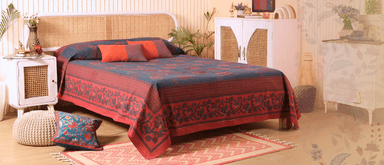


Off-White Handprinted Cotton Light Coverlet - 60 x 90 inches / Cotton / Off-White

Cotton Quilt in Sage Green and Mustard Fine | Pure Cotton

Pure Cotton Quilt or Comforter in Blue leafy Stripes | Versatile as Quilt or AC Blanket | Reversible designs

Pure Cotton Quilt or Comforter in Rust and Off white All over pattern | Versatile as Quilt or AC Blanket | Reversible designs

Pure Cotton Quilt or Comforter in Rust and Maroon Ornate Flowers | Versatile as Quilt or AC Blanket | Reversible designs

Single Bed Quilt In Fine Cotton | Reversible Hand Block Printed Blue Mist Jaipuri Razai | Handmade In India - Single Bed 60 x 90 inches / Pure Cotton / White & Blue
You May also Like
Benefits of Choosing Eco-Friendly Home Decor
• By Anamika
• 2026-01-07
Why choose Handmade Products over Mass-Produced Products
• By Anamika
• 2026-01-07

Lippan Art vs Other Indian Wall Arts: Key Differences & Which Is Best for Your Home
• By Richa Kumari
• 2026-01-02
How to Choose the Right Lippan Art Size for Your Wall | Expert Sizing Guide
• By Richa Kumari
• 2026-01-02
How to Select the Right Bedsheet for Summer, Winter & Monsoon
• By Richa Kumari
• 2026-01-02
Frequently Asked Questions
Can you use a dohar as a bedsheet?
No, a dohar is not meant to be used as a bedsheet. It is a lightweight blanket designed to be layered on top of a bedsheet for gentle warmth and comfort. Using it as a sheet reduces its lifespan and affects the softness of the top fabric.
How thick is a dohar?
Dohars are intentionally thin and airy. They usually have a slim 3-layer structure that feels lighter than a comforter and less bulky than a quilt, making them ideal for hot climates, AC rooms, and mild weather.
Which fabric is best for a dohar?
Pure cotton is considered the best fabric for dohars because it is breathable, soft on the skin, and naturally regulates body temperature. Muslin, mulmul, and cotton-flannel combinations are also excellent choices for everyday comfort.
Is a dohar good for summer?
Yes. Dohars are one of the best summer bedding options because they keep you covered without trapping heat. Their lightweight cotton layers allow airflow and prevent sweating, making them ideal for warm nights.
 Free DeliveryAcross India
 100%Hand-crafted
 COD Available
 Easy Returns