




What Is a Persian Rug? History, Types and Cleaning Tips
• By Anamika
• 2025-12-02
• 13 mins read
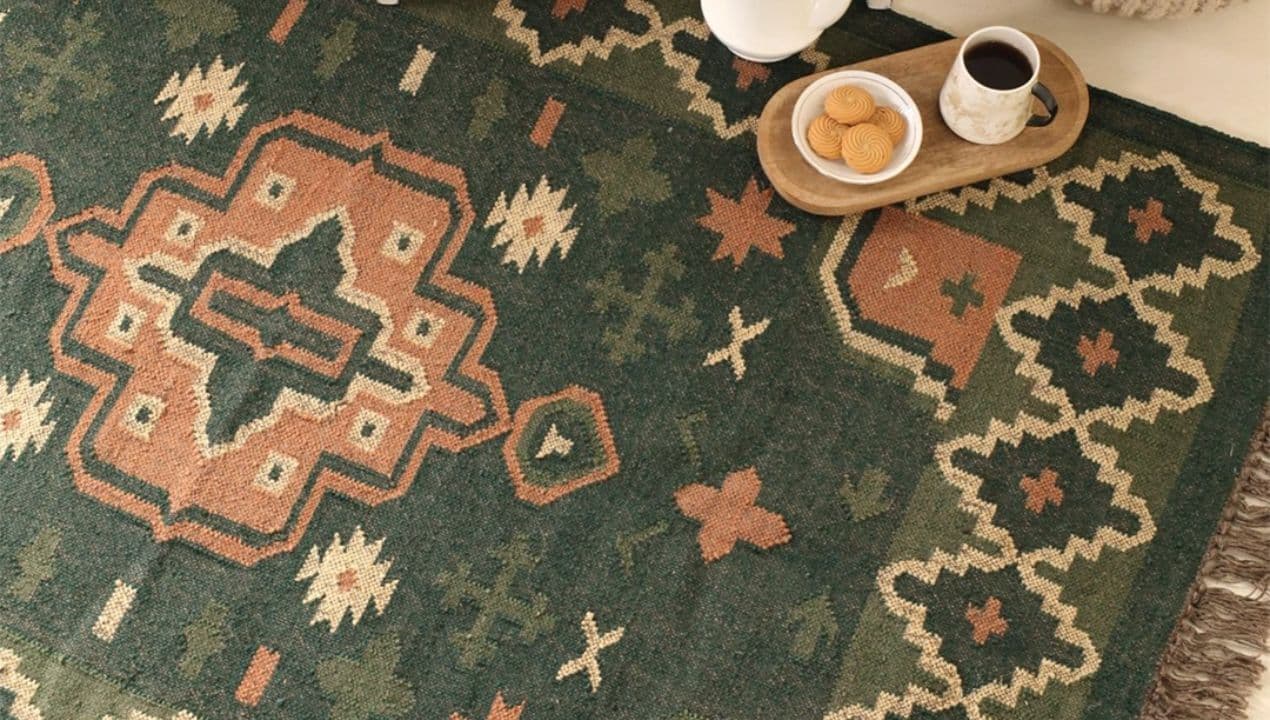
A Persian rug is traditionally a handwoven textile made in Iran, known for its intricate patterns, natural dyes, durable weaving, and centuries-old artistic lineage. What distinguishes a Persian rug is not just its design but the craftsmanship behind it: dense knots tied by hand, borders that follow strict symmetry, motifs that carry cultural symbolism, and patterns perfected over generations. Today, Persian rugs remain globally recognised as the highest standard in handmade carpets, and many people looking to buy rugs for floor online gravitate toward Persian-inspired designs for their richness and storytelling artistry. Their influence is so deep that many textile traditions worldwide, including Indian crafts, borrow Persian floral and medallion motifs in their own regional styles. Even modern handcrafted rugs, such as Peepul Tree’s Kalamkari-print cotton rugs, echo this lineage through Persian-inspired botanical and scrolling patterns while staying rooted in Indian artistry.
A Short History of Persian Rugs
Persian rugs originate from the nomadic and tribal communities of ancient Persia, where weaving was both a necessity and an art form. Originally created for insulation and warmth, these rugs evolved into aesthetic expressions that narrated stories of mythology, nature, royalty, and daily life. Over time, distinct regional schools emerged each with its own weaving style, knot density, colour palette, and motif family. Cities like Tabriz, Kashan, Isfahan, and Qom became renowned for producing highly artistic carpets, while tribal groups like the Qashqai created geometric, symbolic, and deeply personal designs.
This weaving tradition flourished under various Persian dynasties, where rulers patronised skilled artisans, elevating rugs into symbols of prestige. Designs began to reflect Persian miniature paintings, Islamic geometry, and garden-inspired layouts. These highly sophisticated patterns eventually spread beyond the empire, influencing textile cultures across Central Asia and India. Many Indian art forms including Mughal florals and Kalamkari block printing carry motifs that were originally shaped by Persian aesthetics. This connection still appears subtly in Peepul Tree’s handcrafted Kalamkari rugs, where all-over florals and elegant borders echo the rhythm of Indo-Persian design.
How Persian Rugs Are Made?
Selecting the Materials
Traditional Persian rugs use wool, silk, or a wool-silk blend. Wool provides warmth and softness, while silk adds sheen and intricate detailing. The choice of material affects everything from knot density and durability to the kind of motifs the artisan can execute.
The Weaving Process
The weaving begins on a loom, where vertical warp threads are stretched tightly. Each knot is tied individually by hand around the warp, building the rug row by row. This slow, meticulous process can take months or even years depending on size and pattern complexity.
Dyeing the Wool
Persian rugs famously use natural dyes extracted from plants, minerals, and insects. Madder root gives shades of red; indigo gives blues; walnut husk produces browns. These dyes age beautifully, creating a subtle patina that synthetic dyes cannot match.
Knot Density and Quality
The quality of a Persian rug is often measured by its knot density (KPSI: knots per square inch). Higher knot density allows finer, more detailed patterns. Some elite Persian rugs have over 600 knots per square inch, enabling intricate motifs that resemble paintings.
Finishing Touches
After weaving, artisans trim the pile, wash the rug to set the dyes, and apply final finishing techniques. The fringe often imitated in modern machine-made carpets is an actual continuation of the warp threads, proving the rug’s authenticity.
Persian vs Oriental Rugs: Key Differences
Persian rugs fall under the larger umbrella of Oriental rugs, but the terms are not interchangeable. “Oriental rugs” refer broadly to handmade rugs from regions including Iran, India, Turkey, Afghanistan, Nepal, and Central Asia. “Persian rugs,” however, refer specifically to rugs woven within Iran’s historical territories, using traditional Persian knotting and design structures.
Persian rugs typically feature:
- Symmetrical or asymmetrical knots
- Curvilinear floral patterns
- Rich jewel-toned palettes
- High knot density
- Motifs inspired by gardens, poetry, and Islamic geometry
Oriental rugs may share similarities but differ in execution, cultural motifs, dye sources, and knotting styles. Indian and Turkish rugs often have geometric or tribal patterns; Central Asian rugs use bolder, rougher lines; Afghan rugs lean heavily toward deep reds and octagonal patterns.
This distinction is important when identifying authenticity, but Persian influence is so widespread that even modern global crafts including Indian Kalamkari prints carry echoes of Persian floral symmetry. Peepul Tree’s handcrafted Kalamkari rugs in beige-indigo and floral rust palettes demonstrate how Persian motifs have evolved into contemporary Indian expressions without losing their artistic ancestry.
Types of Persian Rugs
Persian rugs can be grouped into motif families, which makes it easier to understand their visual language without memorising regional names.
1. Medallion Rugs
Feature a central motif round, oval, or diamond-shaped surrounded by intricate borders. These rugs create a strong focal point in living rooms or large spaces.
2. All-Over Floral Rugs
Use repeating floral motifs without a central medallion. These designs create gentle visual movement and suit modern, minimal, and classic interiors alike.
3. Herati Pattern Rugs
The Herati pattern consists of a rosette surrounded by leaves, set within a diamond lattice. Its symmetry and flow make it a favourite in formal carpets.
4. Boteh or Paisley Rugs
Boteh resemble a flame-shaped paisley. It symbolises life, fertility, and growth, making these rugs deeply meaningful and highly decorative.
5. Hunting Rugs
Depict animals, hunters, and nature scenes. These are artistic storytelling rugs rather than everyday floor coverings.
6. Tribal and Geometric Rugs
Made by nomadic weavers using bold colours and simple yet powerful geometric motifs. They have a rustic, handcrafted appeal.
Famous Persian Rug Designs and Patterns
Tabriz Rugs - Elegance in Every Knot
Known for fine knot density and elaborate medallion layouts.
Isfahan Rugs - The Art of Perfection
Crafted using silk foundations and intricate curvilinear patterns.
Kashan Rugs - Classic Beauty
Rich reds and blues with balanced floral motifs.
Qom Rugs - The Silk Marvel
High-end silk rugs with jewel-like colours.
Heriz Rugs - Bold and Geometric
Chunky motifs and durable construction for everyday use.
Nain Rugs - Soft and Sophisticated
Pastel palettes and delicate designs using wool-silk blends.
Gabbeh Rugs - Rustic and Minimalist
Thick, cosy rugs with simple patterns and earthy tones.
How to Identify an Authentic Persian Rug?
Authenticating a Persian rug requires careful observation of several details:
- Look at the back: You should see clear knots, not a plastic mesh backing.
- Feel the texture: Handmade wool and silk feel warm and organic, unlike synthetic fibers.
- Check the fringe: In real Persian rugs, the fringe is part of the warp thread, not sewn on.
- Evaluate symmetry: Handwoven rugs show slight irregularities, an indicator of human craftsmanship.
- Inspect the dyes: Natural dyes fade softly and unevenly over decades.
- Examine knot density: Higher knot counts generally indicate more time and skill.
- Note cultural motifs: Medallions, florals, paisleys, and Islamic geometry indicate Persian lineage.
Indian hand-block-printed rugs, such as Peepul Tree’s Persian-inspired Kalamkari rugs, are often mistaken for Persian carpets because they carry floral and border elements of Persian design. However, these are Indian handcrafted products, and the difference is visible in the technique: Kalamkari uses printing, not knotting, but the motif influence remains beautifully Persian.
What Makes Persian Rugs Expensive?
Persian rugs can take months or even years to complete. Every knot is tied by hand, natural dyes require careful preparation, and artisans maintain patterns with mathematical precision passed down through generations. Rarity also increases value some designs are exclusive to certain families or villages. Materials contribute too: silk and high-grade wool significantly raise the cost. Persian rugs are not mass-produced; they are artworks with cultural, historical, and collectible value. Many appreciate in price over time, making them long-term investments as well as home décor pieces.
Why Invest in a Persian Rug?
Unmatched Craftsmanship
Every rug reflects artistic dedication and cultural legacy.
Unique, One-of-a-Kind Designs
Patterns carry motifs that connect history, mythology, and artistic expression.
Durability That Lasts Generations
Handwoven construction allows Persian rugs to survive for decades.
Increases in Value Over Time
Premium pieces are appreciated like artwork.
Timeless Elegance
Persian rugs adapt beautifully to modern interiors due to their balanced symmetry and storytelling motifs.
How Persian Design Influences Indian Crafts?
Persian influence entered India during the Mughal era, blending seamlessly with Indian textile traditions. This Indo-Persian fusion introduced new floral layouts, border styles, and garden-inspired motifs to Indian craftsmanship. Kalamkari textiles from Andhra Pradesh and Telangana show this influence unmistakably through scrolling vines, repeating florals, and medallion-like layouts.
Peepul Tree’s Floral Kalamkari Rug and Indigo-Beige Kalamkari Rug reflect this history subtly. Their all-over patterns, intricate borders, and harmonious colours echo the rhythm of Persian art while remaining unmistakably Indian in technique. These rugs offer modern homes an accessible way to bring Persian-inspired elegance without the investment of a fully knotted Persian carpet.
Are Persian Rugs Still Relevant in Modern Homes?
Absolutely. Persian rugs balance heritage with versatility, making them suitable for minimal, contemporary, and eclectic interiors. Their motifs harmonise with wooden furniture, neutral colour palettes, and layered décor styles. Persian-inspired Indian rugs offer softer alternative cotton rugs with Persian-style patterns that serve modern Indian homes beautifully, especially in living rooms, bedrooms, and reading corners. Their timeless artistry works across both luxurious and everyday spaces.
Styling a Persian or Persian-Inspired Rug at Home
Place a Persian rug under a coffee table to anchor a living room or use it in a bedroom to soften the floor’s visual weight. Pairing Persian rugs with wooden or warm-toned furniture enhances their richness, while modern furniture contrasts beautifully with intricate designs. To keep the space balanced, allow the rug to be the hero piece and keep surrounding décor simpler. Layering a small Persian-inspired rug over a neutral jute base can give a contemporary twist without overwhelming the room.
Care and Cleaning Tips for Persian Rugs
- Vacuum lightly once a week.
- Avoid harsh sunlight to prevent dye fading.
- Rotate every few months to ensure even wear.
- For spills, blot gently never rub.
- Professional washing every 2-3 years preserves longevity.
- For Persian-inspired cotton rugs (like Peepul Tree’s Kalamkari rugs), gentle cold washing and shade drying maintain the prints.
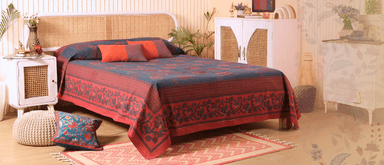

Cotton Rug for living room Hand Printed in Jaipuri olive green design | Cotton | Floor rug

Cotton Rug Handcrafted in Indigo and Beige Kalamkari Print | Handmade in India - 5 ft X 3 ft / Pure Cotton / Indigo

Handprinted Cotton Rug In Teal | Floor Rugs | Handmade In India - 3 x 5 Feet / Cotton / Teal

Cotton Rug for Living room or Bed room Hand Block printed in Blue and Dusty Pink Colours with a Floral Design

Handcrafted Kalamkari Print Cotton Rug with a Floral Pattern - 5 ft X 3 ft / Pure Cotton / Multicolor
You May also Like
Benefits of Choosing Eco-Friendly Home Decor
• By Anamika
• 2026-01-07
Why choose Handmade Products over Mass-Produced Products
• By Anamika
• 2026-01-07
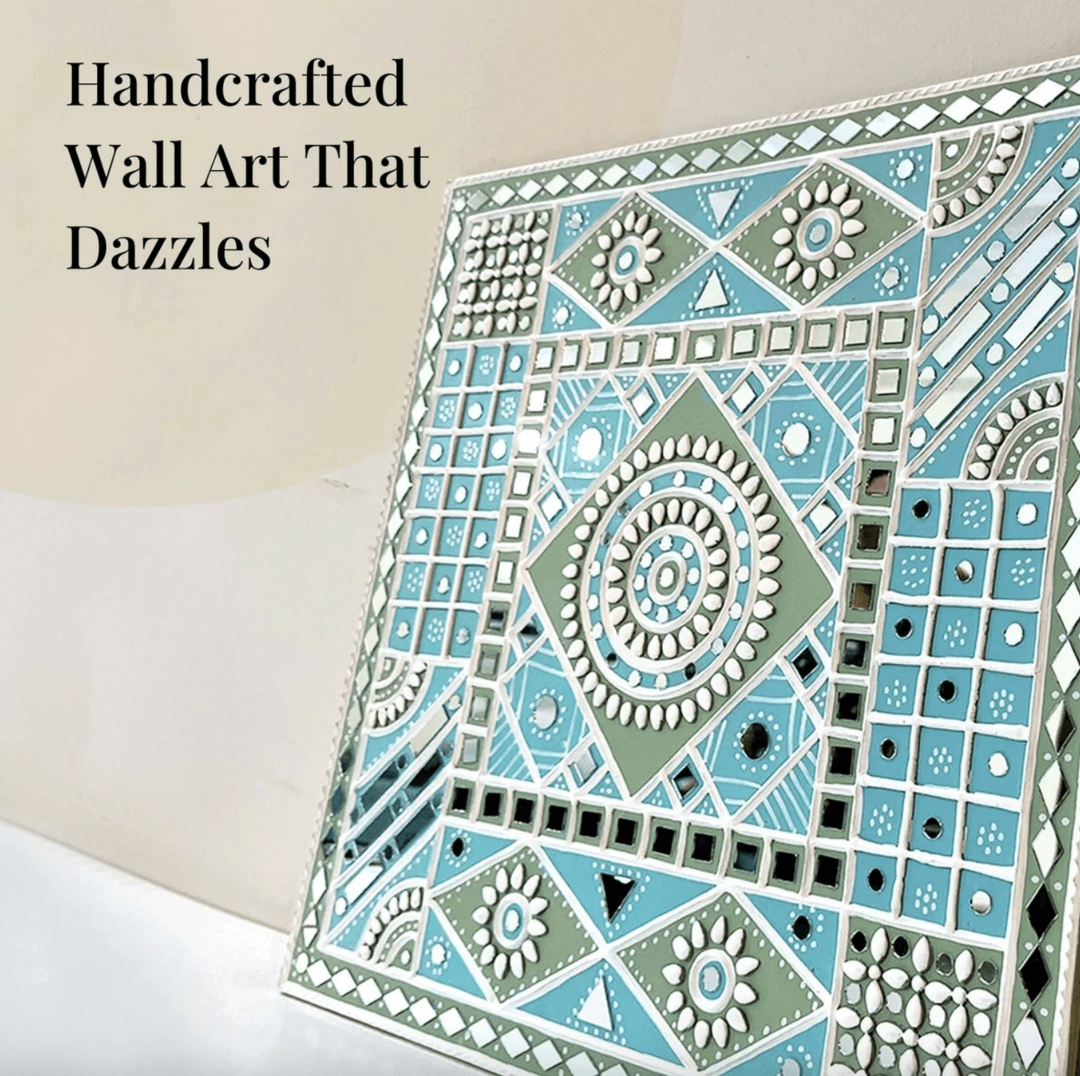
Lippan Art vs Other Indian Wall Arts: Key Differences & Which Is Best for Your Home
• By Richa Kumari
• 2026-01-02
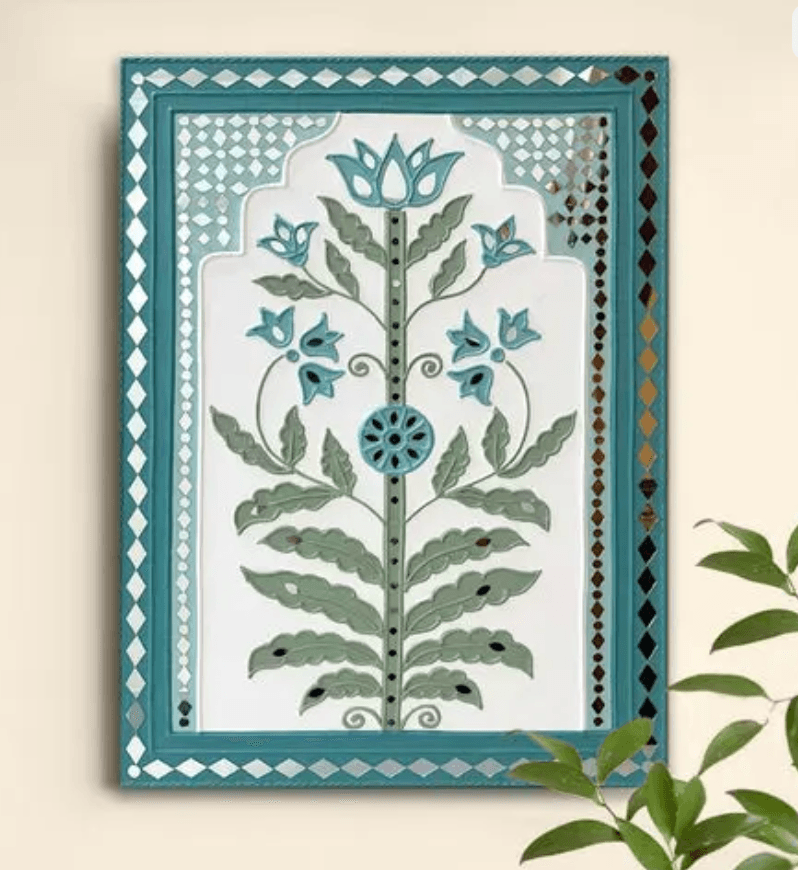
How to Choose the Right Lippan Art Size for Your Wall | Expert Sizing Guide
• By Richa Kumari
• 2026-01-02
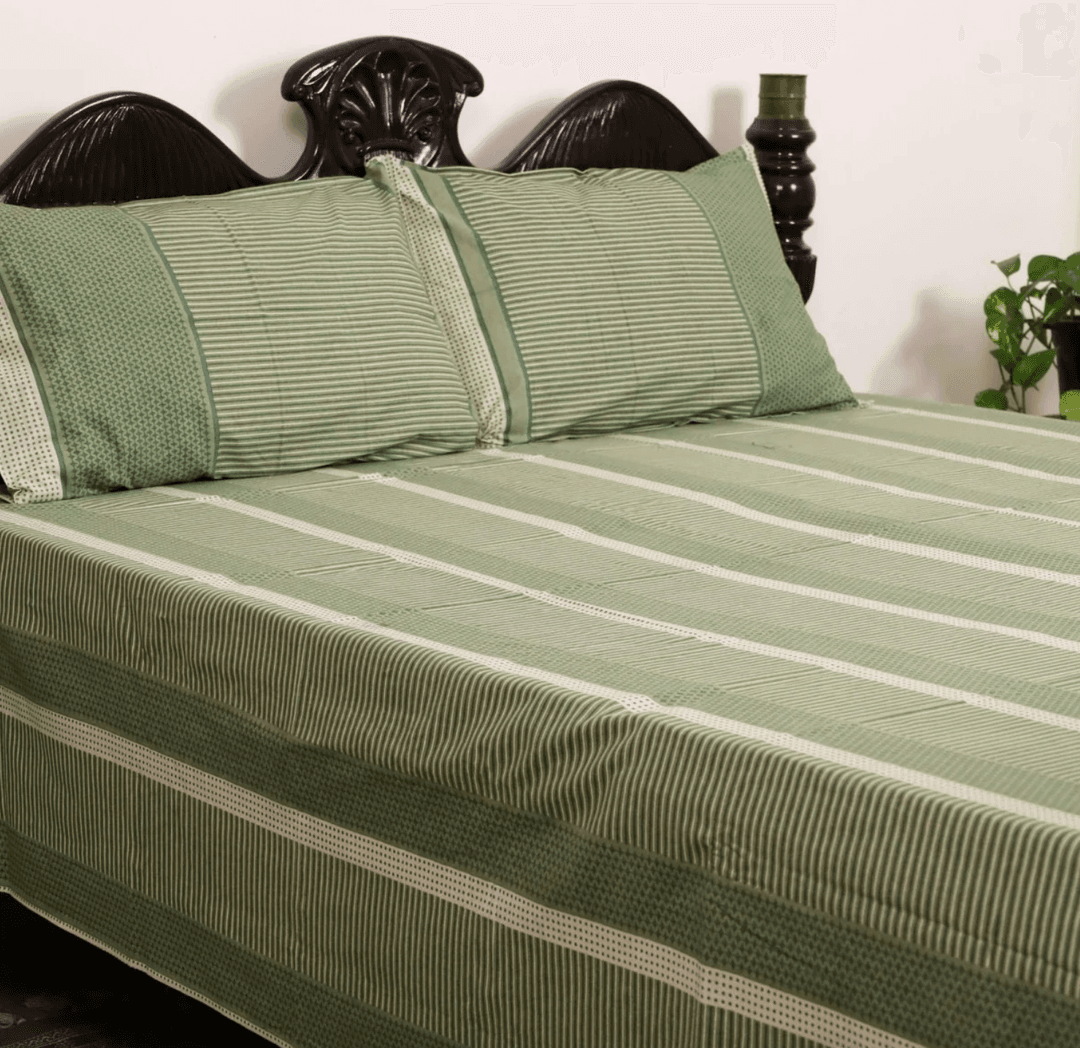
How to Select the Right Bedsheet for Summer, Winter & Monsoon
• By Richa Kumari
• 2026-01-02
Frequently Asked Questions
1) Are Persian rugs and Oriental rugs the same?
No. Persian rugs are specifically from Iran, while Oriental rugs are from multiple Asian regions.
2) Are Persian rugs handmade?
Authentic ones always are. Machine-made versions are imitations.
3) Do Persian rugs appreciate in value?
Fine pieces with natural dyes and high knot density can increase in value.
4) How long does a Persian rug last?
With care, genuine Persian rugs can last 50-100 years.
 Free DeliveryAcross India
 100%Hand-crafted
 COD Available
 Easy Returns