


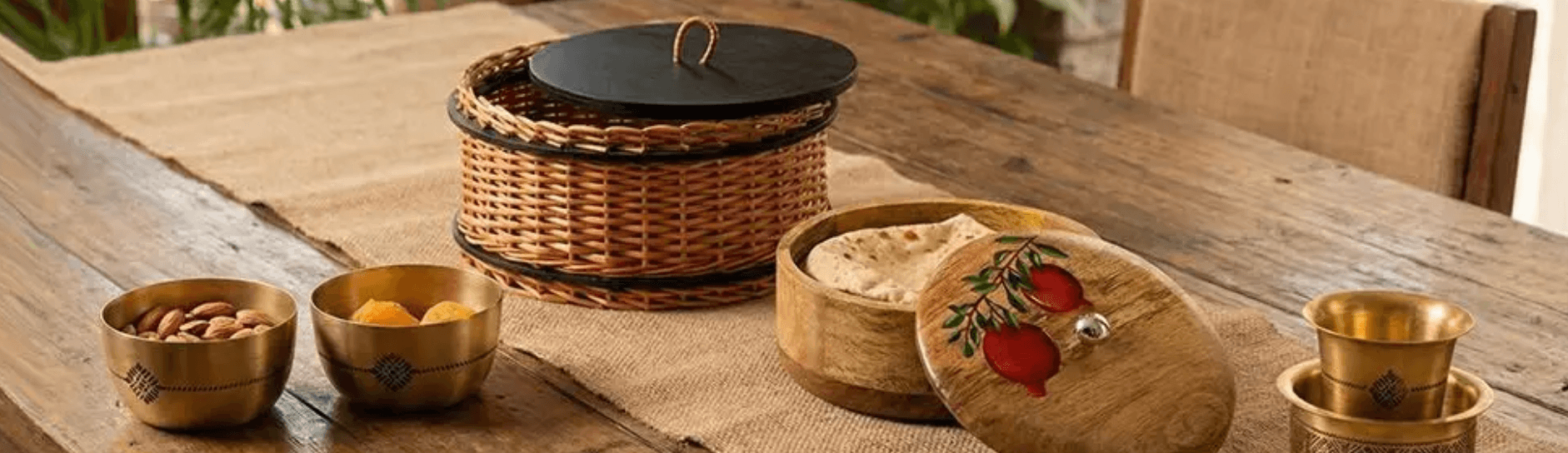


Benefits of Choosing Eco-Friendly Home Decor
• By Anamika
• 2026-01-07
• 12 mins read
Eco-friendly home decor has evolved from a niche preference into a conscious lifestyle choice embraced by modern households. Today, the way a home is decorated reflects not just personal taste, but also values around health, sustainability, and mindful living. As awareness grows around environmental impact and ethical consumption, more people are choosing decor that feels responsible, meaningful, and built to last.
Unlike trend-driven interiors that change every season, eco-friendly home decor encourages a slower, more intentional approach. It prioritises natural materials, craftsmanship, longevity, and a deeper connection to the objects we bring into our living spaces. The result is a home that feels calmer, healthier, and more personal.
This blog explores the many benefits of choosing eco-friendly home decor, from environmental and health advantages to design longevity and ethical craftsmanship, while also highlighting how artisanal brands like Peepul Tree bring these values to life through thoughtfully made decor.
What Does Eco-Friendly Home Decor Really Mean?
Eco-friendly home decor refers to decor items designed and produced with minimal harm to the environment and maximum consideration for long-term use. It is not limited to one style or aesthetic. Instead, it is guided by three core principles: sustainable materials, responsible production, and durability.
Sustainable Materials
Eco-friendly decor uses materials that are renewable, biodegradable, recycled, or responsibly sourced. These materials reduce dependency on synthetic alternatives that often take decades to decompose.
Common examples include:
- Natural fibres such as cotton, jute, linen, and wool
- Reclaimed or responsibly sourced wood
- Handcrafted metals like brass, iron, and copper
- Clay, terracotta, stone, and natural pigments
Responsible Production
How a decor item is made matters as much as what it is made from. Eco-friendly decor often relies on:
- Low-impact or small-batch production
- Minimal use of chemicals and synthetic finishes
- Traditional handcrafted techniques
Longevity and Lifecycle
Sustainable decor is designed to last. Instead of fast trends, it focuses on timeless forms and sturdy construction, encouraging reuse, repair, and long-term ownership. In essence, eco-friendly home decor is about creating homes that consume less, waste less, and feel more intentional.
How Eco-Friendly Home Decor Reduces Environmental Impact?
One of the strongest reasons to choose eco-friendly decor is its reduced environmental footprint. Conventional decor manufacturing often relies on plastic-based materials, energy-intensive processes, and chemical treatments that contribute to pollution and landfill waste.
Eco-friendly decor addresses these concerns in several ways.
Reduced Waste
Durable materials and thoughtful design mean fewer replacements over time. When decor items last longer, they generate less waste and reduce the pressure on landfills.
Responsible Resource Use
Reclaimed wood, recycled metals, and natural fibres reduce the need for virgin resources. This helps preserve forests, soil health, and water systems.
Lower Carbon Footprint
Handcrafted and locally produced decor typically requires less transportation and heavy machinery, resulting in lower carbon emissions compared to mass-produced imports.
Minimal Chemical Pollution
Avoiding harsh finishes and synthetic coatings limits the release of harmful chemicals into the environment. These benefits align with the growing shift towards sustainable living highlighted by lifestyle and home decor publications, where reuse, local sourcing, and material consciousness are becoming central to home design decisions.
Creating a Healthier Indoor Living Environment
Decor choices have a direct impact on indoor air quality and everyday comfort. Many mass-produced decor items contain adhesives, synthetic fabrics, and finishes that release volatile organic compounds over time. Eco-friendly home decor supports healthier interiors by focusing on natural and breathable materials.
Better Air Quality
Natural fibres and untreated or low-toxic finishes reduce indoor air pollutants, making living spaces safer and more comfortable.
Safer for Families
Homes with children, pets, or elderly family members benefit from decor that avoids harmful chemicals and synthetic residues.
Reduced Allergens
Natural textiles and breathable materials are less likely to trap dust and allergens compared to synthetic alternatives. A healthier home environment contributes to improved sleep, better concentration, and overall well-being.
Designed for Longevity and Everyday Use
Eco-friendly decor is often created with long-term use in mind. Instead of focusing on seasonal trends, it emphasises durability, craftsmanship, and timeless design.
Long-Term Value
Although some sustainable pieces may have a higher initial cost, their longevity often makes them more economical over time. Fewer replacements mean less waste and lower cumulative spending.
Everyday Practicality
Many eco-friendly decor items are designed for regular use, not just display. This makes them suitable for lived-in homes rather than purely aesthetic spaces.
Timeless Appeal
Natural materials and classic forms tend to age gracefully, remaining relevant even as design trends evolve. Longevity is not just an environmental benefit, but a practical one as well.
Unique and Timeless Designs in Eco-Friendly Home Decor
One of the most defining qualities of eco-friendly home decor is its ability to feel timeless rather than trendy. Sustainable design does not chase quick visual impact. Instead, it focuses on material integrity, craftsmanship, and forms that remain relevant across years.
Natural Beauty That Ages Well
Materials like cotton, wood, wicker, and metal develop character over time. A cotton rug softens with use, wood gains patina, and handcrafted metal deepens in tone. This natural ageing process adds charm rather than diminishing value.
Craft-Driven Imperfections
Handcrafted decor often carries subtle variations in print, weave, or finish. These are not flaws, but signatures of human effort. Such details make each piece unique and emotionally resonant.
Versatility Across Interior Styles
Timeless eco-friendly decor blends seamlessly across aesthetics. A monochrome cotton rug works as well in a modern minimalist home as it does in a layered, eclectic space. Neutral tones, natural textures, and classic motifs adapt easily to changing surroundings.
Emotional Longevity
Decor that carries cultural or craft stories creates stronger emotional connections. Instead of being replaced when trends shift, these pieces are kept, reused, and often passed on. This focus on timelessness is why sustainable decor continues to grow in popularity. It offers beauty that lasts without excess.
Supporting Ethical Craftsmanship and Responsible Production
Eco-friendly home decor often supports ethical production systems rooted in traditional craftsmanship. Many sustainable pieces are made by skilled artisans who rely on craft for their livelihoods.
Fair Livelihoods
Artisan-led production supports fair wages and stable income for craft communities.
Preservation of Craft Traditions
Traditional techniques passed down through generations are kept alive through continued demand and appreciation.
Respect for Human Skill
Handcrafted decor values time, precision, and expertise over speed and volume. Choosing such decor transforms home styling into an act of cultural preservation and ethical support.
How Eco-Friendly Home Decor Comes to Life at Peepul Tree?
At Peepul Tree, eco-friendly home decor is rooted in craft traditions, natural materials, and conscious creation. Many pieces are made using low-impact processes and techniques that prioritise skilled hands over industrial shortcuts. From textiles and woodwork to metal and plant-based crafts, each item reflects a slower, more thoughtful approach to designing homes. This philosophy supports artisan livelihoods, preserves cultural knowledge, and brings authenticity into everyday living spaces.
A Few Sustainable Home Decor Picks from Peepul Tree
Sustainable decor becomes truly meaningful when it is lived with daily. Here are some eco-friendly decor items that reflect timeless design, natural materials, and thoughtful craftsmanship.
Wicker and Wood Planters
A planter made with natural wicker and wood brings together sustainability and function. Wicker is a renewable material, while wood adds strength and structure. These wicker planters encourage indoor greenery, which enhances air quality and brings a calming natural element into living spaces. Each handmade piece carries subtle variation, adding warmth and individuality.
Hand-Printed Cotton Rugs
Cotton rugs made from natural fibres offer breathability and comfort underfoot. Hand-printed designs add depth and character, while monochrome palettes ensure versatility across interiors. Unlike synthetic rugs, cotton rugs are biodegradable and age gracefully with use.
Hand-Printed Cotton Cushion Covers
Cushion covers made from cotton and printed using traditional techniques offer an easy way to refresh interiors sustainably. Natural cotton is breathable and durable, while handcrafted motifs add visual interest without overpowering a space. Choosing sets reduces excess buying and promotes cohesive styling.
Handmade Shola Flower LED Lights
Shola flowers are made from a renewable plant material traditionally used in Indian crafts. When paired with energy-efficient LED lighting, they create soft ambient illumination without relying on plastic or heavy synthetic decor. These LED lights add texture and cultural depth while remaining environmentally conscious.
Each of these items reflects how sustainable decor can be functional, beautiful, and deeply connected to craft traditions.
Why Eco-Friendly Decor Fits Modern, Future-Ready Homes?
Sustainability is no longer a passing trend. It is shaping how homes are designed, styled, and experienced.
Eco-friendly decor aligns with modern lifestyles by:
- Reflecting conscious consumption values
- Supporting long-term living rather than short-term trends
- Offering design that adapts as homes evolve
Homes built with sustainable choices tend to age better, both visually and socially, making eco-friendly decor a future-ready investment.
Simple Ways to Start Choosing Eco-Friendly Home Decor
Adopting eco-friendly decor does not require a complete transformation. Small, thoughtful changes can make a lasting impact.
You can start by:
- Replacing frequently used decor items with sustainable alternatives
- Reusing and repurposing existing pieces
- Choosing quality over quantity
- Learning about materials and craft techniques before buying
Over time, these choices naturally shape a more conscious home.


Dhokra Metal Handmade Owl Showpiece| H- 3.5 inches x W- 2.5 inches| Brass

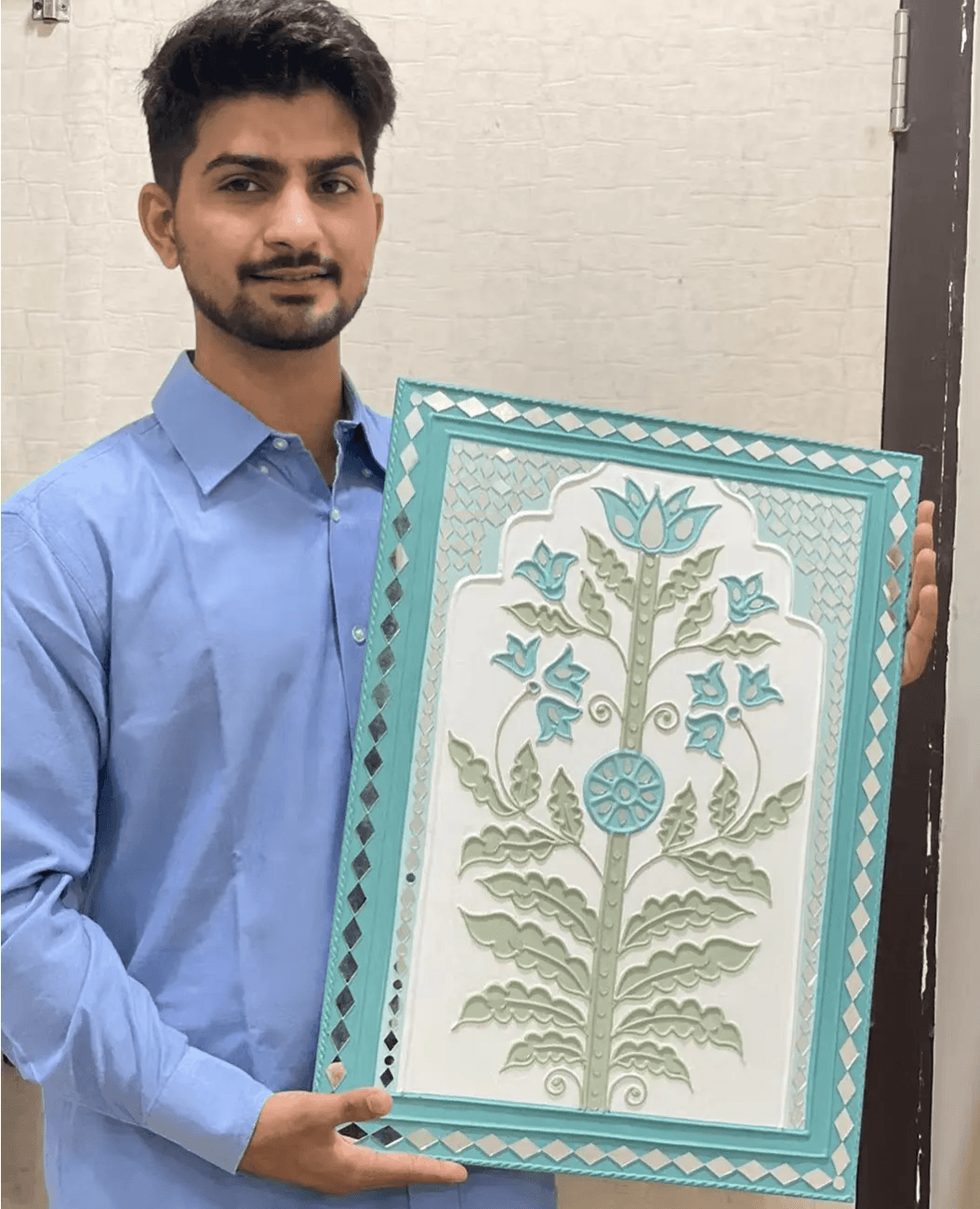
Turquoise Wall Mirror with Mud & Mirrors | Lippan Art | Handmade in India

Premium Brass Kitchen Masala and Spice Box with detachable containers| Organise Your Spices with Style| 100% pure brass

Coffee Dabara Set made with Pure Brass in a Kanjeevaram design theme

Coffee Dabara Set made in Steel with Enamel work in a Kanjeevaram design theme| Coffee Mug & Bowl

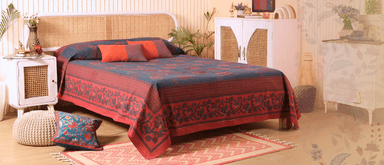
Pure Cotton Bedsheet with 2 Pillow Covers Handprinted in Jaipuri Design of Teal Green and Off White
You May also Like
Why choose Handmade Products over Mass-Produced Products
• By Anamika
• 2026-01-07
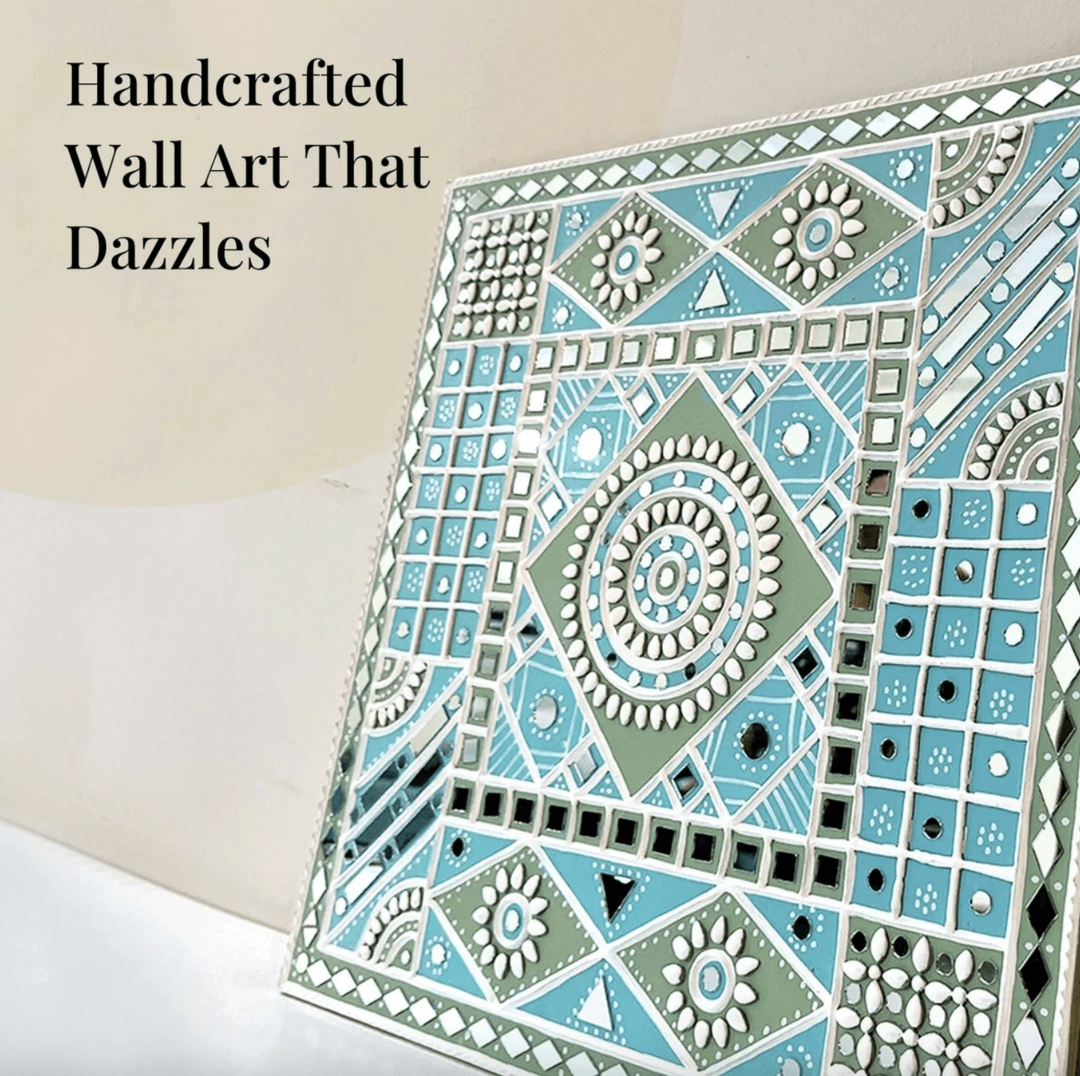
Lippan Art vs Other Indian Wall Arts: Key Differences & Which Is Best for Your Home
• By Richa Kumari
• 2026-01-02
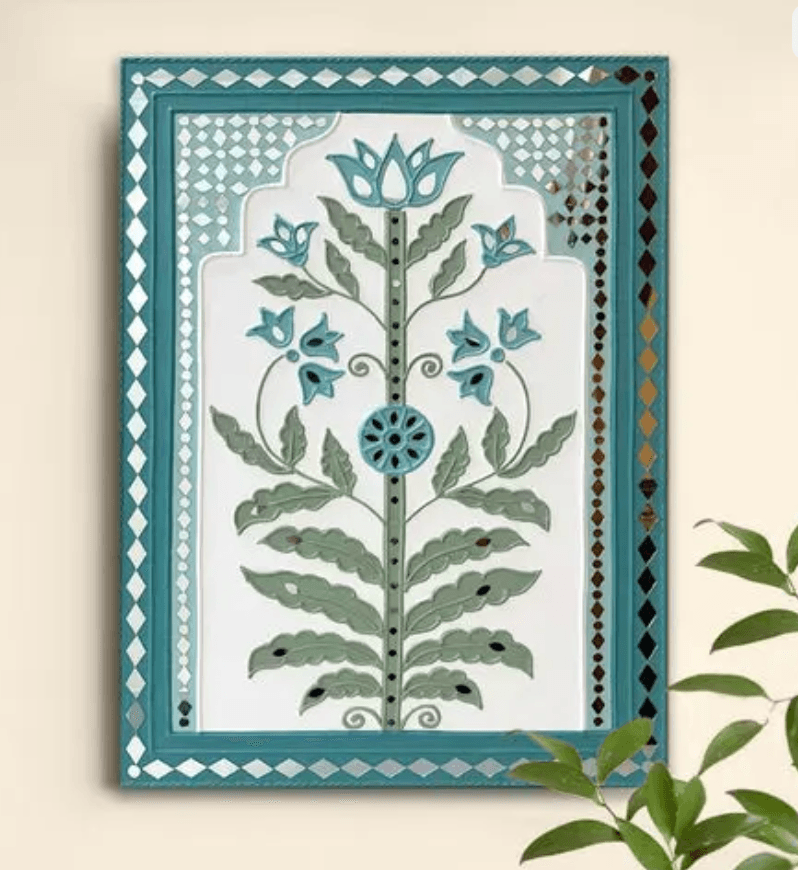
How to Choose the Right Lippan Art Size for Your Wall | Expert Sizing Guide
• By Richa Kumari
• 2026-01-02
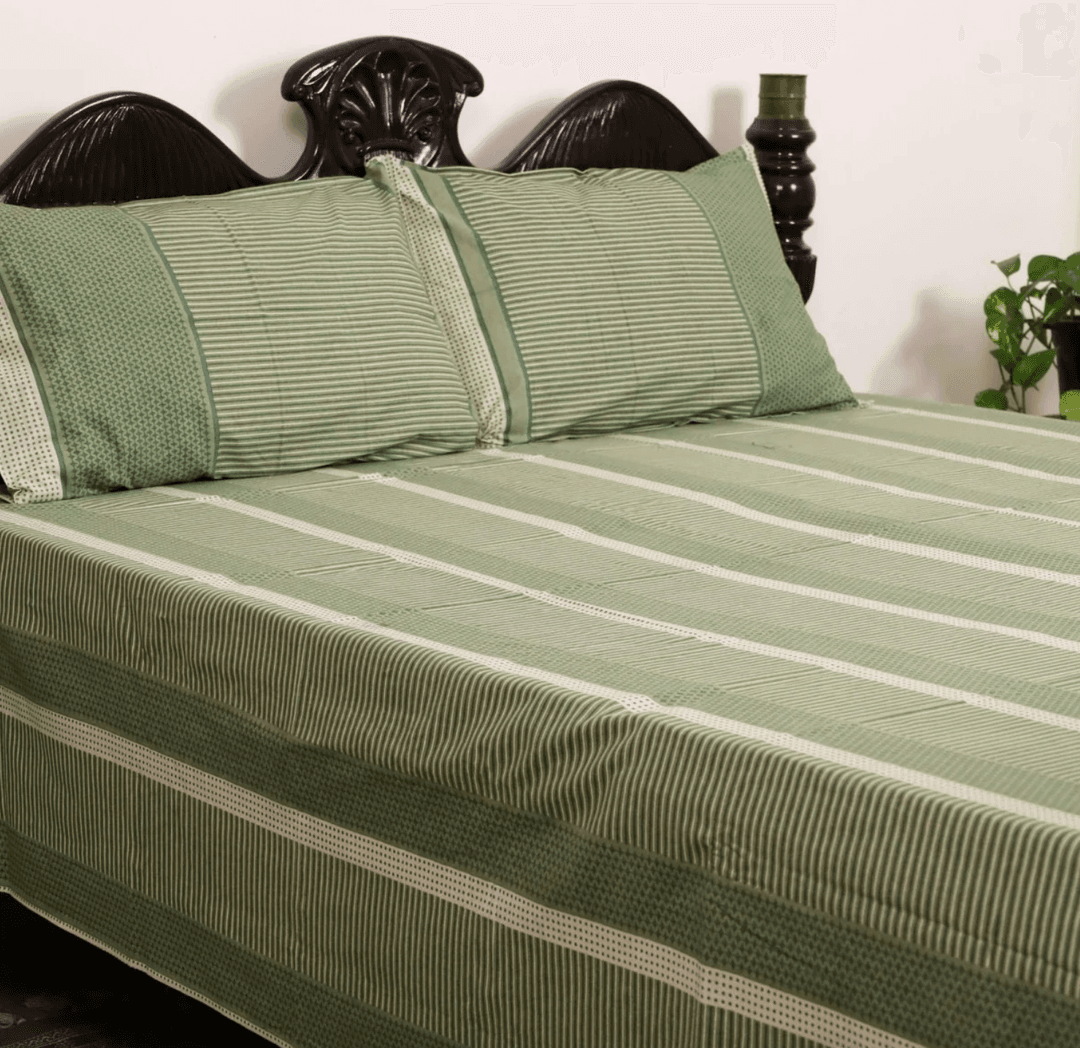
How to Select the Right Bedsheet for Summer, Winter & Monsoon
• By Richa Kumari
• 2026-01-02
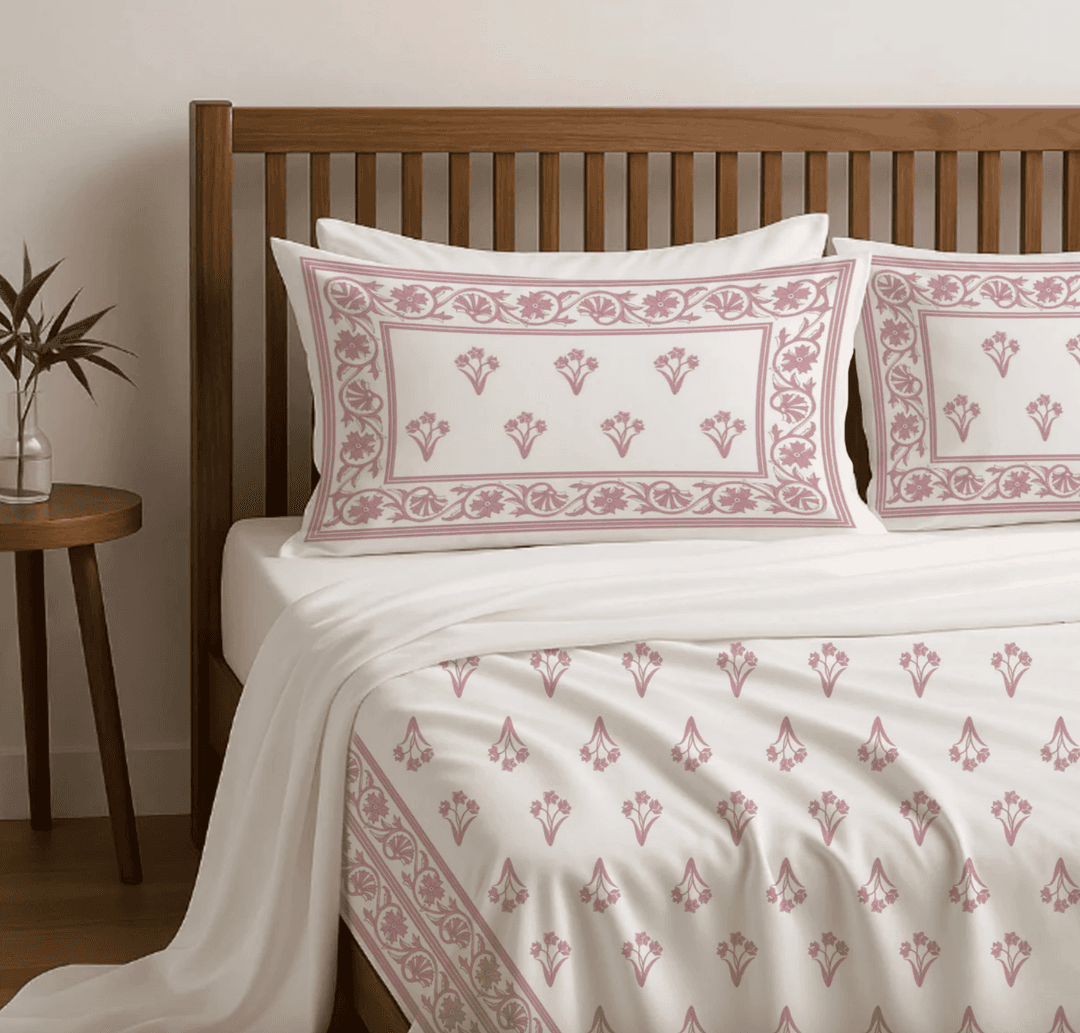
Bed Sheet vs Bedspread: Key Differences & How to Choose the Right One
• By Richa Kumari
• 2026-01-02
Frequently Asked Questions (FAQs)
1) Is eco-friendly home decor expensive?
Not always. While some pieces may cost more initially, their durability often makes them more economical over time.
2) Can eco-friendly decor be stylish?
Yes. Sustainable decor often focuses on timeless design, natural textures, and craftsmanship that remain visually appealing across trends.
3) Is eco-friendly decor suitable for everyday use?
Most sustainable decor items are designed for daily living and are often more durable than mass-produced alternatives.
4) How do I identify eco-friendly decor?
Look for natural materials, handcrafted processes, ethical sourcing, and transparency about how products are made.
 Free DeliveryAcross India
 100%Hand-crafted
 COD Available
 Easy Returns