


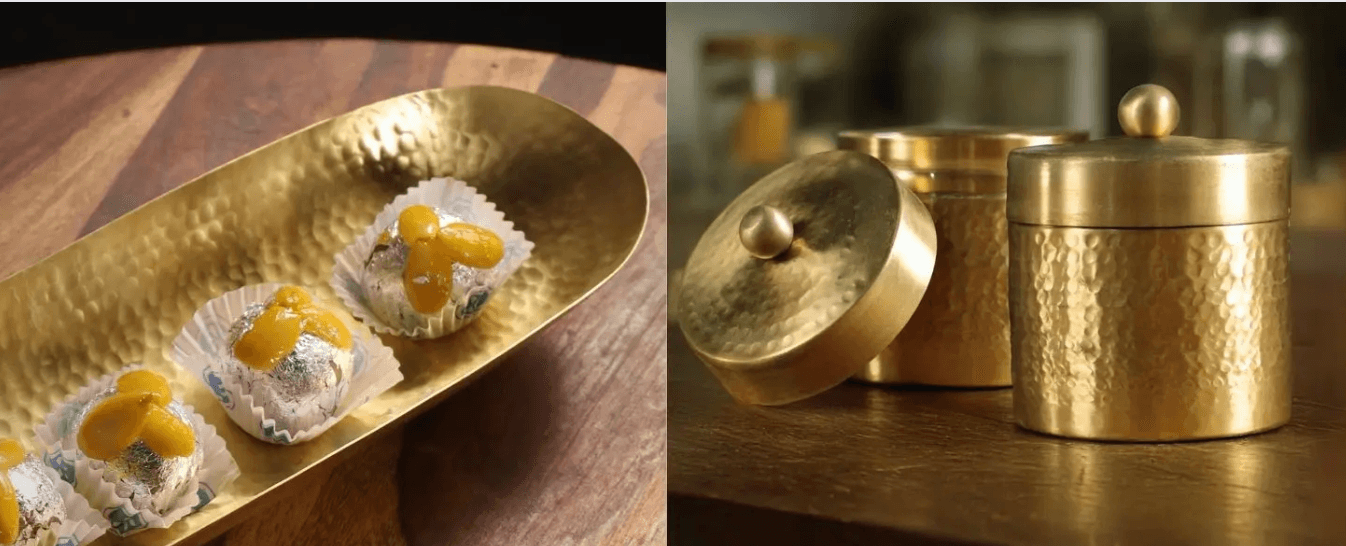


How to Clean Brass Items at Home: Easy Methods for Storage Jars , Masala Boxes Utensils, Idols
• By Richa Kumari
• 2025-12-22
• 17 mins read
To clean brass at home, use simple kitchen ingredients like lemon, salt, vinegar, besan, and baking soda, depending on whether you’re cleaning, storage jars, masala boxes serving bowls/ katoris, dabra sets utensils, idols, or decor pieces. Each type of brass item needs a slightly different method because utensils collect food acids, idols gather incense soot and hand oils, and decor pieces dull due to oxidation. With the right approach and regular maintenance, you can easily prevent blackening, restore shine, and keep your brass looking new without using harsh chemicals.
How to Clean Brass Utensils (Step-by-Step Methods)
Brass utensils collect food stains, oil residue, and natural oxidation, so they need slightly stronger cleaning methods than idols or decor pieces. When understanding how to clean brass at home, the goal is to remove blackening without damaging the tin lining inside the vessel or product. Every method below uses safe kitchen ingredients that clean effectively while keeping your brass utensil ready for cooking use.
1. Lemon and Salt Method (For Light to Moderate Stains)
This method works well when utensils look slightly dull or have uneven patches. Lemon helps lift oxidation, while salt provides mild abrasion.
- Cut a lemon in half and sprinkle salt on it.
- Rub the lemon on the outer brass surface in circular motions.
- Avoid using this method inside lined utensils to protect the tin.
- Rinse with warm water and dry immediately with a soft cloth.
- Use this method only for external shine, not internal cleaning.
2. Vinegar and Flour Paste (For Mild Stains and Dullness)
A gentle method that removes surface grime without scratching the utensil.
- Mix equal parts vinegar, flour, and a pinch of salt to form a paste.
- Apply it to the brass surface and leave it for 10 to 15 minutes.
- Wipe with a soft cloth and rinse thoroughly.
- Safe for regular outer cleaning and polishing.
- Always dry completely to avoid water spots.
3. Tamarind Pulp (For Food-Related Discoloration)
Tamarind helps lift tough stains left by food residue on the outside of utensils.
- Prepare a thick tamarind paste using warm water.
- Apply it only on the outer brass surface, never inside the lined area.
- Let it sit for 5 to 8 minutes and scrub gently with a soft sponge.
- Rinse well and dry immediately.
- Works especially well for stubborn cooking stains.
4. Baking Soda Solution (For Stubborn Black Patches)
Baking soda is helpful when utensils develop darker oxidation spots.
- Mix 1 teaspoon baking soda with a few drops of water to form a paste.
- Apply lightly on affected areas.
- Use a soft cloth to rub gently.
- Rinse well and dry thoroughly.
- Avoid excessive rubbing that may dull the surface.
5. Deep Cleaning for Heavily Stained Utensils
When the brass turns very black or patchy, a combination approach works best.
- Use lemon-salt or tamarind to loosen oxidation on the outer surface.
- Follow with a mild baking soda paste to remove deep stains.
- Finish with vinegar paste for smoothness and shine.
- ensure no harsh scrubbing is done inside the tin-lined area.
- Always dry fully to prevent immediate re-tarnishing.
What Not to Use on Brass Utensils
- Do not use steel scrubbers that scratch and damage the metal.
- Do not use strong acids on lined cooking surfaces.
- Do not soak brass for too long as it may weaken the shine.
- Avoid bleach-based or commercial cleaners meant for steel.
- Never scrape aggressively as it removes protective coating.
Cleaning brass utensils is about using the right method for the right stain. When done correctly, your utensils stay bright, safe, and ready for everyday cooking.
How to Clean Brass Idols (Gentle, Temple Safe Methods)
Brass idols need a softer cleaning approach because they often have intricate carvings, delicate contours, and spiritual importance. Unlike utensils, idols accumulate soot from agarbatti, oils from touch, and occasional moisture from puja rituals. These layers can dull the surface over time, so the goal is to remove dirt without stripping the natural glow or damaging the metal. With the right methods, you can keep your brass idols bright, clean, and temple ready while preserving their detail and character.
Mild Soap Water Wash for Regular Cleaning
A simple soap-water rinse works perfectly for weekly or monthly upkeep. Steps:
- Mix a few drops of gentle liquid soap in warm water.
- Wipe the idol using a soft cloth or sponge.
- Clean grooves lightly without soaking the idol.
- Rinse quickly with clean water.
- Dry completely to avoid water spots.
Besan Paste for Natural Brightness
Besan is one of the safest ways to clean idols because it removes grime without affecting the metal. How to use:
- Make a smooth paste using besan and water.
- Apply it over the idol and leave for a few minutes.
- Rinse gently and wipe dry.
- This restores a soft, natural shine.
Very Diluted Lemon Water for Moderate Tarnish
If the idol looks slightly dark, diluted lemon water can help, but it must be used carefully. Use it safely:
- Add only a few drops of lemon juice to a bowl of water.
- Dip a cloth and wipe the idol lightly.
- Rinse immediately.
- Avoid this method for antique idols or deeply carved pieces.
Removing Incense Soot from Puja Idols
Idols placed near diyas and incense develop soot especially in fine details. Safe removal:
- Use a soft brush or an old toothbrush with soap water.
- Gently scrub soot from carvings and folds.
- Dry with a cotton cloth.
- Repeat when soot buildup appears.
Cleaning Intricately Carved Idols
Detailed idols trap more dirt, so cleaning needs patience rather than force. Recommended method:
- Use cotton buds to reach tight corners.
- Brush gently using a soft-bristle brush.
- Rinse using minimal water.
- Always dry thoroughly to avoid moisture damage.
Should You Apply Oil After Cleaning?
Oil is used in some traditions to keep idols glowing, but it must be handled carefully. When it is suitable:
- Apply a tiny drop of coconut or sesame oil using a soft cloth.
- Use sparingly to avoid attracting dust.
- Do not oil antique idols to preserve the natural patina.
- Avoid oiling idols that are frequently touched during puja.
Brass idols stay beautiful for years when cleaned gently and kept dry. The key is to remove soot and residue without disturbing the natural finish, ensuring each idol retains its spiritual warmth and shine.
How to Restore Heavily Tarnished or Antique Brass (Non Abrasive Methods)
Heavily tarnished or antique brass needs gentler restoration because these pieces often carry deep oxidation, uneven black patches, or an aged patina that should not be removed. The aim is to clean the brass without scratching the surface or stripping away its natural character. Whether it is an old puja idol, a passed-down vessel, or a decorative piece, slow non abrasive methods work best and help protect the integrity and value of the item.
To remove dark oxidation safely, use a mild tamarind or vinegar paste on the outer surface. Tamarind and vinegar soften the oxidised layer without harming the brass underneath. Leave the paste on for a few minutes, wipe gently with a soft cloth, and wash it off immediately. For deeper black patches, a small amount of baking soda mixed with water can be applied only to the affected spots, rubbed lightly with your fingers, and rinsed right away. This targets stubborn areas without overcleaning the whole piece.
Antique brass should never be polished aggressively. The aged patina adds beauty and authenticity, and over polishing can make the item lose its character. For such pieces, stick to light cleaning using mild soap and water, followed by thorough drying and gentle buffing with a soft cloth. Acids, abrasive powders, and harsh chemicals should always be avoided because they can strip detailing and discolor the metal permanently.
When to Consider Mild Commercial Cleaners
Use mild commercial brass cleaners only when natural remedies are not enough. Choose non abrasive formulas, test them on a hidden patch, and use them sparingly. These are best reserved for modern brass items that have oxidised heavily.
Restoring antique or deeply tarnished brass takes patience, but careful methods preserve the charm and history of the piece while bringing back its natural warmth and shine. With the right approach, even decades old brass can regain its beauty without losing its authenticity.
Natural Home Remedies to Polish Brass (For Shine and Brightness)
Polishing brass is all about restoring its natural golden glow after cleaning. While cleaning removes soot, stains, or oxidation, polishing enhances the surface so it looks bright and well maintained. These natural remedies work well for utensils, idols, and decor pieces because they lift dullness gently without scratching the metal. Most ingredients come from the kitchen, making brass care simple and chemical free.
A lemon and baking soda mix is one of the easiest ways to brighten the outer surface. It works quickly on dull patches and helps reveal a clean, warm shine. Tamarind pulp is another trusted option that brings out a deeper golden finish, especially on utensils that have developed a darker tone over time. For idols, a besan and ghee mix creates a soft temple style glow, making the brass look nourished without removing texture. If you need instant brightness for decor items, a light wipe with vinegar and salt works well, followed by immediate rinsing.
Finishing with a soft cloth buff is essential because it smooths the surface and enhances the overall shine. Buffing alone can sometimes revive slightly dull brass, as gentle friction warms the metal and brings back its natural luster.
Natural Shine Boosters
- Lemon and baking soda for outer surface brightness
- Tamarind pulp for a deep golden glow
- Besan and ghee for gentle idol polishing
- Vinegar and salt for quick shine on decor pieces
- Soft cloth buffing to finish and enhance the glow
Why Does Brass Turn Black or Dull?
Brass turns black or dull because it naturally reacts with air, moisture, oils, and everyday environmental exposure. Since brass is made of copper and zinc, it undergoes oxidation when left in open air, which creates a darker layer on the surface. Utensils come in contact with food acids, idols are touched frequently during puja, and decor pieces sit exposed to dust and humidity, all of which accelerate tarnishing. Understanding these causes helps you choose the right cleaning method and prevent long-term damage.
Common Reasons Brass Loses Shine
- Oxidation from air exposure: When brass reacts with oxygen, the surface forms a dark layer, which is the most common reason for blackening.
- Moisture and humidity: even small drops of water or a humid climate can speed up tarnishing, especially in kitchens and bathrooms.
- Oil from hands: Touching idols or decorative pieces leaves behind oils that slowly turn into dark fingerprints and uneven patches.
- Food acids on utensils: Ingredients like lemon, tamarind, curd, and tomato react quickly with brass, causing dark spots and dullness.
- Incense and camphor residue: Idols kept near agarbatti and diya smoke accumulate soot, which settles into grooves and fine details.
- Pollution and dust: Urban air carries tiny particles that cling to brass surfaces, dulling the shine over time.
Brass tarnishes because it is a living metal, constantly responding to its environment. The key is not to worry about the darkening but to clean it correctly based on whether you’re dealing with utensils, idols, or antique pieces.
What Not to Use on Brass (Common Mistakes to Avoid)
Brass is a sensitive metal, and the wrong cleaning methods can damage its surface, strip its natural glow, or weaken the protective tin lining in utensils. Avoiding certain products and techniques is just as important as choosing the right cleaning method. When you understand what harms brass, you can keep your utensils, idols, and decor pieces looking brighter for longer while preserving their structure and finish.
The biggest mistake people make is using strong acids or harsh scrubbing tools. These may remove tarnish quickly, but they also strip detailing, scratch the metal, and damage the tin lining inside utensils. Chemical cleaners designed for steel or copper are also unsuitable because brass reacts differently. Even overuse of natural acids like lemon or tamarind can be harmful when applied incorrectly.
Avoid These to Protect Your Brass
- Strong acids on idols or antique brass
- Harsh commercial metal cleaners
- Steel scrubbers or abrasive pads
- excessive use of salt formulas
- Dishwashers for any type of brass
- Over polishing that removes natural patina
- Leaving moisture on the surface after washing
How Often Should You Clean Brass?
How frequently you clean brass depends on how the item is used, how much it’s touched, and the environment it stays in. Kitchen utensils naturally need more regular care because they come in contact with heat, oils, and food particles. Idols and decor pieces, on the other hand, tarnish slowly but still gather dust, incense residue, or moisture over time. A simple routine helps prevent blackening and keeps brass looking bright without the need for frequent deep cleaning.
For utensils, a weekly cleaning works well because it removes early signs of dullness before they settle into stubborn patches. Idols need a gentler monthly clean to maintain their natural glow without stripping texture or patina. Decor items usually stay bright with a monthly or seasonal wipe, depending on humidity and exposure to air. Polishing should be done only when brass begins to look visibly dull, not after every cleaning.
Simple Cleaning Frequency Guide
- Brass utensils: once a week
- Brass idols: once a month
- Brass decor pieces: monthly or seasonal
- Polishing: only when shine reduces noticeably
Tips to Maintain Shine and Prevent Tarnishing
Store brass in dry, humidity-free spaces
Moisture is the biggest reason brass turns dull or black. Keeping utensils, idols, and decor pieces in a dry cabinet or shelf prevents oxidation and slows down dark patches. This small habit reduces the need for frequent polishing and helps brass hold its natural colour longer.
Wipe surfaces after every use to remove oils
Fingerprints, cooking oils, and temple offerings leave residues that gradually darken brass. A quick wipe with a soft cloth after touching or using the item keeps the surface clean and prevents these oils from reacting with the metal. This simple step alone maintains shine far better than any polish.
Use an anti-tarnish cloth for decor items
Showpieces and decorative bowls benefit from occasional wiping with an anti-tarnish cloth. It gently buffs the metal and creates a light protective layer, keeping the surface bright without any chemical cleaners. It is especially useful for items displayed in the open.
Apply a thin protective wax layer on decor items (not utensils)
For brass decor that is not used for food, a soft microcrystalline wax layer works like a shield against air exposure. It prevents quick tarnishing and keeps the item looking new. This method should never be used on utensils, but for decor, it genuinely extends the shine.
Keep idols away from incense smoke and excessive moisture
Idols often darken faster because soot from incense sticks settles on them. Keeping idols slightly away from direct smoke and ensuring the space isn’t humid helps preserve their golden tone. This makes monthly cleaning easier and prevents stubborn soot stains.

Pure Brass Serving Bowl | Size 150 ml

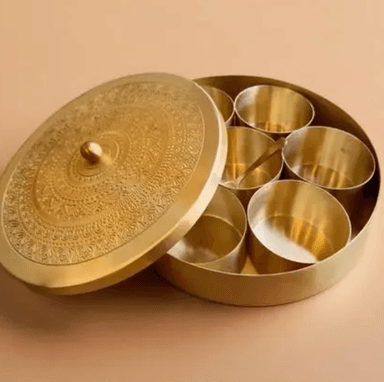
Kitchen Masala or Spice Box in 100% Pure Brass with detachable containers| Organise Your Kitchen Spices in Style

Brass Tea Strainer & Bowl For Everyday Luxury Kitchen Usage | Handmade In India - 7.5cm x 12.5cm / Brass / Natural

Small Brass Bowl for Nuts, Snacks & Condiments | Traditional Indian Brass Serveware

Coffee Dabara Set made with Pure Brass in a Kanjeevaram design theme

Brass Jar | Handcrafted in Hammered Brass | Small Size 3 inches Diameter 3 inches Height - Single / Diameter x Height (3 x 3 inches) / Natural
You May also Like
Benefits of Choosing Eco-Friendly Home Decor
• By Anamika
• 2026-01-07
Why choose Handmade Products over Mass-Produced Products
• By Anamika
• 2026-01-07

Lippan Art vs Other Indian Wall Arts: Key Differences & Which Is Best for Your Home
• By Richa Kumari
• 2026-01-02
How to Choose the Right Lippan Art Size for Your Wall | Expert Sizing Guide
• By Richa Kumari
• 2026-01-02
How to Select the Right Bedsheet for Summer, Winter & Monsoon
• By Richa Kumari
• 2026-01-02
Frequently Asked Questions
Can toothpaste clean brass?
Yes, but only for decor pieces. Toothpaste is mildly abrasive and can remove light tarnish, but it should never be used on utensils or idols because it can leave chemical residue and scratch the surface.
How do you clean engraved or detailed brass?
Use a soft toothbrush with a besan paste or diluted lemon water to reach carvings without damaging them. Avoid harsh scrubbing to protect fine detailing.
What is the best way to clean antique brass at home?
Gentle cleaning works best. Use diluted tamarind or vinegar paste only for heavy oxidation, and avoid over-polishing to preserve the original aged finish.
Can baking soda damage brass?
Baking soda is safe when used in small, diluted quantities. Using too much or scrubbing aggressively can scratch the surface.
 Free DeliveryAcross India
 100%Hand-crafted
 COD Available
 Easy Returns