


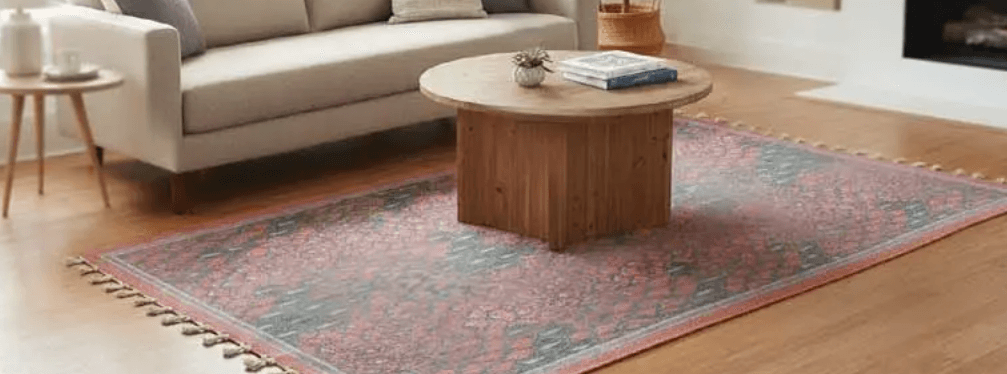


Rug Curling & Slipping: Why It Happens & Easy Fixes to Keep Rugs in Place
• By Anamika Choudhury
• 2025-12-08
• 28 mins read
Rug curling and slipping are two of the most common problems people face after buying a new rug or even using an old one for years. Corners that lift, edges that won’t stay flat, and rugs that slide every time you walk over them don’t just look untidy they can also become tripping hazards and cause faster wear and tear. These issues usually occur because of how rugs are packaged, how fibres respond to weather, and the type of flooring they rest on. The good news is that almost all curling and slipping problems have simple, practical fixes that you can apply at home without professional help. In this guide, you’ll learn exactly why rugs curl or move, how to fix them permanently, and how to prevent the problem from coming back.
What Is Rug Curling and Why Does It Happens?
Rug curling refers to the upward bending of rug corners or edges, causing the rug to look uneven or distorted. The most common reason is packaging memory - rugs are rolled tightly for shipping, and the fibres retain the rolled shape when first unrolled. Changes in humidity and temperature also affect rug fibers, especially natural materials like jute, cotton, and wool, causing edges to contract or expand unevenly. Heavy foot traffic can push certain corners upward over time, particularly in high-use areas like hallways or living rooms. In some cases, older rugs begin curling because the backing has weakened, dried out, or become brittle. Even entirely flatweave rugs can curl when the weave tension shifts due to moisture or long-term storage.
Why Do Rugs Slip or Move on the Floor?
Rugs slip when there isn’t enough friction between their underside and the floor surface. Smooth flooring such as marble, granite, vitrified tiles, and polished wood make this more noticeable because the base provides no natural grip. Lightweight flatweaves and dhurries move even more easily, especially if they are made from cotton or jute. Over time, the rug’s backing can wear out, becoming smooth and ineffective at anchoring the rug. Homes with active movement-kids running, pets playing, or frequent foot traffic-tend to experience slipping more frequently. Even cleaning the floor with polish or certain cleaners can make surfaces too slippery for rugs to stay in place.
How to Fix Curling Rug Corners?
Curling rug corners are usually a result of packaging memory, fibre tension, or environmental changes, but the fixes are simple and highly effective when done correctly. The key is to relax the fibres, flatten the edges, and help the rug relearn its natural position. Below are the most reliable methods to fix curling corners permanently without damaging the rug.
Reverse Rolling Method
One of the easiest ways to correct curling is to reverse the rug’s memory by rolling it in the opposite direction of the curl. Lay the rug flat, gently roll the curled corner backward, and hold it for 30–60 seconds. Leave it reverse-rolled for a few hours, or overnight for stiffer rugs. When unrolled again, the corner usually stays flat because the fibres have softened and accepted the new direction.
Applying Heat (Hairdryer or Warm Towel)
Controlled heat helps loosen stiff fibres or backing materials. Use a hairdryer on medium heat and warm the curled corner for 20–30 seconds while gently pressing it flat. Alternatively, place a slightly warm, damp towel over the corner for a few minutes to soften the area. Once warm, apply light pressure using your hand or a flat object. When cooled in this flattened state, the rug’s edge stays down more effectively.
Placing Weights on Corners
Weights offer a slow and reliable way to train rug fibres. Place heavy books, dumbbells, or a flat board with weights directly on the curled corners for 24–48 hours. This steady pressure helps the rug relax and settle into a flat position. For stubborn corners, combine this method with heat for faster results. Many new rugs flatten completely within a couple of days of consistent weighting.
Using Rug Corner Grippers
Corner grippers are adhesive silicone or rubber pieces designed specifically to keep rug corners flat. They stick to the underside of the rug and grip the floor securely without damaging either surface. These grippers are particularly useful for lightweight flatweaves or cotton dhurries that tend to rise at the edges. They last long, prevent tripping, and work on most floor types, including tile, marble, and wood.
Using Carpet/Rug Tape
Double-sided carpet tape is a quick fix for persistent curling. It adheres the rug corner directly to the floor, ensuring it stays flat even under frequent movement. This method works best with synthetic rugs, dhurries, or cotton flatweaves, but should be avoided on delicate or high-pile handwoven rugs. Always check if the tape is safe for your flooring, as some adhesives may not be suitable for polished wood or soft marble.
Securing Edges Under Furniture
If the rug placement allows, slide heavier furniture like sofas, sideboards, or planters partially over the curled edges. This approach puts continuous pressure on the rug and flattens it naturally over time. It’s a completely non-invasive fix that works well for larger rugs used in living rooms or bedrooms. Over a few days, the fibres soften and the curl disappears even after the furniture is moved away.
How to Stop Rugs From Moving on the Floor?
Rugs slip or slide when there isn’t enough friction between the rug’s backing and the floor surface. This is especially common with lightweight flatweaves, cotton dhurries, and rugs placed on smooth flooring like marble, vitrified tiles, or polished wood. Stopping this movement isn’t just about aesthetics-slipping rugs can be a safety hazard and also cause the rug fibres to wear out faster. The best solutions focus on increasing grip, adding weight, or enhancing the rug–floor connection.
Using Anti-Slip Rug Pads
Anti-slip pads are the most effective and long-term solution for sliding rugs. These pads are placed underneath the rug and create a high-friction layer that grips both the rug and the floor. They add cushioning, prevent wrinkling, and increase the rug’s lifespan by reducing friction-related wear. Premium rug pads are especially helpful for thin flatweaves that tend to shift easily. They work on most surfaces and are completely floor-safe.
Rubber Underlays for Tiles & Marble Floors
Smooth tile and marble floors offer almost zero resistance to lightweight rugs, making rubber underlays an excellent fix. These underlays are thin, flexible sheets made of natural or synthetic rubber that hold the rug firmly in place. They also act as moisture barriers and prevent the rug from developing ripples or bubbles over time. Because rubber grips instantly, it’s ideal for high-traffic areas where slipping is more frequent.
Felt & Rubber Hybrid Pads for Wooden Floors
Hybrid pads combine the cushioning of felt with the non-slip grip of rubber-a perfect match for wooden flooring. The felt side protects delicate wood from scratches, while the rubber side ensures the rug stays in place. These pads are great for heavier rugs or living room setups where both comfort and stability matter. Unlike adhesives, they leave no residue and don’t react with wooden coatings.
Velcro Strips for Stubborn Rugs
For rugs placed in specific fixed locations-like bedside runners, entryway rugs, or bathroom throw rugs-Velcro strips can offer a firm anchoring solution. One side sticks to the rug backing, and the other attaches to the floor (or a base pad), keeping the rug from shifting even with repetitive foot traffic. This method works especially well for narrow runners that tend to slide with every step.
Carpet-to-Floor Grippers
Grippers are adhesive silicone or textured strips designed to provide strong rug-to-floor traction. They are easy to apply, invisible once placed, and reusable after cleaning. These grippers adhere well to cotton dhurries, jute flatweaves, and tufted rugs. They’re a good option when pads feel too bulky or when the rug placement doesn’t allow for a full-size pad underneath.
Increasing Rug Weight With Layering
Layering rugs is both a styling technique and a practical way to reduce slipping. Placing a heavier rug or textured base mat under a lightweight rug adds weight and friction, stabilizing the top rug. This method works beautifully for bohemian or artisanal interiors that embrace layered textures. It also helps small rugs stay put in areas like reading corners or next to the bed.
Easy Home Remedies to Flatten Rug Corners
Flattening curling corners doesn’t always require special tools-many effective fixes can be done using simple home items. These remedies work best for lightweight rugs like dhurries, flatweaves, jute rugs, and cotton rugs, which tend to curl due to packaging memory or floor friction. The key is applying gentle heat, moisture control, or even weight to retrain the fibres into a flat, stable position. These methods offer quick results and help you avoid long-term edge damage.
Warm Towel & Book Method
Place a slightly damp warm towel over the curled corner for a few minutes to relax the fibres. Once softened, replace the towel with a heavy book, tray, or flat object and leave it for several hours. The heat loosens the rug fibres while the weight resets their shape. This method is gentle on all materials-cotton, wool, jute, and synthetic rugs.
Ironing Through a Cloth
Set your iron on a low to medium setting and place a cotton cloth over the curled corner to protect the rug. Press the iron lightly for a few seconds, allowing the heat to soften the backing or fibres. Immediately place a weight on the corner until it cools and dries in its new shape. This method works particularly well for rugs with a fabric or cotton backing.
Hairdryer + Pressure Method
Use a hairdryer to warm the curled area, holding it a few inches away from the rug to avoid overheating. Once the fibres feel warm and flexible, press the corner down with your hand or a heavy object. The combination of heat and pressure helps the rug settle quickly. This method is ideal for rugs that cannot tolerate moisture.
Double-Sided Tape (Where Safe)
Applying double-sided carpet tape under the corners can hold them flat temporarily while the rug settles naturally over a few days. It’s especially useful for new rugs where packaging memory is strong. Always ensure the tape is floor-safe and suitable for your surface to avoid residue or damage.
Rolling Techniques
For rugs curled inward, roll the corner backward (in the opposite direction of the curl) and secure it with a soft cloth or elastic tie for a few hours. This reversal technique counteracts the stored tension from shipping and restores the rug to a flat position. It’s a safe method for delicate natural fibres like jute or cotton.
Best Tools to Keep Rugs Flat & in Place
Keeping a rug flat is much easier when you use the right tools-these are specifically designed to prevent corner curling, slipping, and bunching on smooth floors. Many homeowners try quick fixes, but the most reliable results come from simple accessories that enhance grip and maintain the rug’s structure over time. Whether your rug is cotton, wool, jute, or synthetic, these tools protect both the rug and the flooring underneath while ensuring long-term stability and safety. Below are the most effective options recommended for everyday use.
Corner Grippers
Corner grippers are L-shaped silicone or adhesive pads that stick to the underside of each rug corner. They add weight, improve friction, and lock corners firmly to the floor. Ideal for flatweaves and lightweight rugs, they prevent the edges from lifting even in high-traffic areas. They’re especially effective for rugs placed on tiles or marble.
Heavy-Duty Carpet Tape
Double-sided carpet tape provides instant grip, securing the rug firmly against the floor. It's one of the strongest anti-slip solutions for stubborn rugs that keep shifting despite other measures. However, it should only be used on floors safe for adhesives to avoid residue. It works well for machine-made rugs, thin dhurries, or rugs with smooth backings.
Felt Pads
Felt pads are great for improving rug-to-floor contact while adding subtle cushioning. They don’t provide as much “stick” as rubber, but they help reduce movement for medium-weight rugs. They also protect floors from scuffing and reduce wear on rug edges. Felt pads are best for wooden floors where heavy adhesives may not be desirable.
Rubber Underlays
Rubber underlays create a strong grip without damaging floors, making them ideal for smooth surfaces like marble, vitrified tiles, and laminate. The natural tackiness holds the rug in place without leaving residue. They also add comfort underfoot and slightly increase rug weight, which reduces curling significantly.
Silicone Dots for Natural Fibre Rugs
Natural fibre rugs like jute, hemp, or handwoven cotton respond well to silicone grip dots placed strategically on the underside. These dots prevent sliding while giving gentle flexibility-important for plant-based fibres that need breathability. They’re budget-friendly, floor-safe, and excellent for lightweight rugs.
Rug Pads (Felt, Rubber, Hybrid)
Rug pads are the most effective long-term solution to both slipping and curling. Felt pads add cushioning and reduce wear, rubber pads enhance grip, and hybrid felt-rubber pads combine both. They keep rugs flat, extend their lifespan, protect floors, and improve comfort. A high-quality rug pad is recommended for nearly every home, especially under handwoven rugs and dhurries.
Fixing Curling Corners on Different Rug Materials
Different rug materials react differently to humidity, weight, heat, and traffic. That’s why the same method doesn’t work for all rugs. Understanding how each fibre behaves helps you apply the right fix without damaging the weave, backing, or texture. Below is a material-wise guide to flatten curling corners safely and effectively.
Wool Rugs
Wool fibres are naturally springy, which means they can curl when exposed to humidity, rolled storage, or uneven pressure. To fix curling, apply gentle heat using a hairdryer or steam held at a safe distance, then press the corner flat with a heavy book for several hours. Avoid excessive heat because wool can shrink or felt. Pairing the rug with a felt–rubber rug pad also keeps wool rugs structured and prevents future curling.
Jute & Natural Fibre Rugs
Jute, hemp, and other plant-based fibres curl mainly due to moisture or dry brittleness. Never steam or wet these rugs-water weakens the fibres and increases the curl. Instead, reverse-roll the curling corner, secure it under weight, and use silicone dots or a rubber underlay to keep it flat. Because natural fibre rugs absorb humidity easily, store them in a dry place and rotate often to avoid edge warping.
Cotton Rugs & Dhurries
Cotton flatweaves are naturally flexible and lightweight, which makes their corners more prone to lifting-especially right after unrolling or when the rug has been moved frequently. The most effective way to flatten them is to reverse-roll the rug, then gently iron the lifted areas through a cotton cloth and place weights until the fibres relax back into position. Because cotton dhurries sit flat but don’t grip hard surfaces, pairing them with a thin rubber-grip rug pad provides excellent stability on tile and marble floors. Just avoid applying direct high heat on printed or block-printed sections, as it can affect the artwork. Hand-block-printed pieces like Peepul Tree’s Cotton Rug in Maroon & Black settle beautifully with this method and hold their shape with minimal maintenance.
Tufted Rugs
Tufted rugs curl because the latex or glue backing becomes stiff, dry, or slightly warped. To repair this, lightly steam the backing side-not the pile-and place a heavy object on the curling area until it cools. Corner grippers are very effective for tufted rugs, as they help hold the backing flat. If the latex has cracked severely, the rug may continue curling and may require professional repair or replacement.
Machine-Made Rugs
Machine-made rugs often curl due to packaging memory (tight factory rolls) or thin synthetic backing. A hairdryer on low heat loosens the backing, and a rug pad adds structure to prevent further curling. For stubborn corners, carpet tape or Velcro strips can be used safely. Machine-made fibres respond well to mechanical fixes because they warm and soften easily, letting you reshape them without much risk.
Preventing Rug Curling in the Future
Preventing rug curling is far easier than fixing it later. Most rugs curl because of how they’re unrolled, the surface they sit on, or the way they respond to humidity and daily movement. With a few simple habits, you can keep your rug flat, structured, and long-lasting without constant adjustments. These preventive steps help maintain rug shape, protect the backing, and reduce stress on the corners over time.
Correct Unrolling & Resting
The first 48 hours after unrolling a new rug decide whether the edges will stay flat or begin curling. Always unroll the rug in the direction it naturally settles and let it rest flat on the floor without bending or folding the corners. If the edges lift, place light furniture or weights to help the fibres relax. Avoid dragging the rug immediately after unrolling-this stretches the corners and speeds up curling. A few days of proper settling prevents weeks of correction later.
Avoiding Moisture
Humidity is one of the biggest triggers for curling, especially in natural-fibre rugs like jute, cotton, or wool. Keep rugs away from damp walls, wet mopping habits, or areas with sunlight-driven moisture cycles (balcony entrances, bathrooms). Always allow the floor to dry completely before placing the rug back. Using a dehumidifier during monsoons helps maintain the rug’s shape. Moisture softens the backing, causing edges to warp or rise over time.
Rotating Rugs Periodically
Every rug develops usage patterns depending on foot traffic, direction of airflow, furniture weight, and how sunlight hits the surface. Rotating your rug every 3–4 months ensures that no corner gets repeatedly bent or pressed. This distributes wear evenly and prevents one side from curling faster than the rest. Rotation also helps maintain colour uniformity and prolongs overall durability, especially for handwoven and natural-fibre rugs.
Using Rug Pads Long-Term
A good-quality rug pad is the simplest and most effective long-term solution for preventing corner curling. Pads add structure, keep the rug anchored, and reduce movement that leads to bending and curling. Felt–rubber hybrid pads work best for wood floors, while full rubber pads grip tile and marble. Rug pads also protect the underside of the rug from friction damage, extending its lifespan significantly. Once installed, rugs stay flatter and more stable.
Proper Storage Methods
Improper storage is the biggest reason rugs curl when taken out after months. Always roll rugs with the pile facing outward-not folded-so the corners don’t crease. Store them in a dry, ventilated area wrapped in breathable fabric, never plastic, which traps moisture. Avoid placing heavy objects on a stored rug, as this permanently distorts the shape. When you unroll a stored rug, let it settle flat for a few hours before adjusting its placement.
How to Keep Rugs Stable on Different Floor Types?
Different flooring surfaces create different friction levels, which is why the same rug may stay perfectly still on one floor but slide endlessly on another. Understanding how tile, marble, wood, and laminate behave under rugs helps you choose the right stabilising method. Each surface has its own challenges-some are too smooth, some expand with humidity, some get dusty quickly-so the key is using the right grips and pads designed for that specific floor type.
Tile Floors
Tile flooring, especially glossy ceramic or vitrified tiles, has very low friction, causing lightweight rugs and flatweaves to slip easily. The grout lines beneath also create tiny height variations that make rugs shift when stepped on. Rubber rug pads work best here because they grip both the tile surface and the rug’s underside without damaging either. Corner grippers or silicone dots add extra stability if the rug is thin. Keeping tiles dust-free also improves friction and reduces sliding.
Marble Floors
Marble is one of the smoothest, most polished surfaces, making rug slipping extremely common. Its cool surface also accumulates fine dust quickly, causing rugs to glide even more. Felt-and-rubber hybrid pads are ideal because the felt provides cushioning while the rubber layer grips the marble firmly. Avoid adhesives or tapes on marble-they can leave stains or react with natural stone. If the rug is large, placing heavier furniture on the edges helps keep it anchored without affecting the marble.
Wooden Floors
Wood floors expand and contract with temperature and humidity changes, so rugs placed directly on them tend to shift and wrinkle over time. To avoid this, use natural-rubber rug pads (never PVC pads) because they protect the wood finish while providing strong grip. Felt-rubber hybrids also work especially well for area rugs in living rooms or bedrooms. Regular sweeping prevents micro-dust from reducing friction. Avoid tapes or glues on wood floors, as they damage the protective coating.
Laminate Floors
Laminate tends to be slightly more slippery than wood but less polished than marble or tiles. Because laminate is sensitive to adhesives, the safest option is a rubber underlay that grips both surfaces. Lightweight rugs often move more on laminate, so adding silicone corner grips or layering a heavier rug on top can stabilise the setup. Keeping the laminate surface dry is important-moisture reduces grip and increases movement.
What Works Best Across All Surface Types
For most homes, the most effective universal solution is a high-quality rug pad tailored to the floor type. Rug pads create friction, protect the floor, add cushioning, and reduce wear on the rug backing. Felt, rubber, and hybrid options are ideal depending on the flooring, while silicone dots and corner grippers help with lighter flatweaves. Choosing the right stabiliser keeps rugs safe, prevents accidents, and preserves their structure for years.
When to Replace Your Rug Instead of Repairing It?
Some rugs can be restored easily with grippers, pads, steaming, or corner fixes - but not all damage is reversible. Over time, backing materials weaken, fibres break down, and the rug loses its structural integrity. When this happens, repairs only offer temporary improvements, and the rug starts curling or slipping again within days. Knowing when to replace your rug helps you avoid endless fixes, costs, and safety risks. Here are the signs that a rug has reached the end of its usable life.
Permanently Warped Corners
If the corners stay curled no matter how many methods you try-reverse rolling, steaming, weights, grippers-this means the material has permanently memorised the bent shape. This often happens in older rugs or those stored rolled for years. Once the foundation (warp and weft) becomes distorted, no home remedy can restore a completely flat surface, and replacement becomes the only long-term solution.
Cracked or Deteriorating Backing
When the backing starts to crack, crumble, or peel off, the rug loses its ability to grip the floor or stay structurally stable. This usually happens in older machine-made rugs, rugs exposed to moisture, or budget rugs with synthetic latex backing. Once the backing disintegrates, curling and slipping become constant problems, and repairs rarely last. A damaged backing is a strong sign that the rug should be replaced.
Extreme Slipping That Pads Cannot Fix
If a rug continues to slide even after using high-quality rug pads, rubber underlays, or corner grippers, it indicates deeper structural issues. Sometimes the underside becomes too smooth or glossy to hold grip, or the rug fabric becomes too lightweight and stretched out over time. When stabilisers fail repeatedly, replacing the rug is safer and more practical.
Structural Damage to the Rug Body
When the foundation threads loosen, the weave starts separating, or the edges fray beyond repair, the rug’s structure becomes compromised. This is especially common in old flatweaves, jute rugs exposed to moisture, or cotton rugs washed incorrectly. Once the internal structure weakens, no amount of stretching or pressing will help - the rug will continue curling, buckling, or slipping.
When Fixing Costs More Than Replacing
If you’re spending repeatedly on tapes, grippers, new pads, steaming, or professional repair, it may be more cost-effective to replace the rug altogether. Rugs that need constant maintenance or temporary fixes end up costing more in the long run. In such cases, investing in a better-constructed rug saves time, effort, and money.


Handprinted Cotton Rug In Teal | Floor Rugs | Handmade In India - 3 x 5 Feet / Cotton / Teal

Cotton Rug Hand Block Printed in Ivory and Charcoal Colour | Soft Washable and Durable Carpet for Living Room or Bedroom

Clover Green Handwoven Rug In 4 x 6 ft | Geometric Pattern | Handcrafted In India - 4 x 6 ft / Jute & Wool / Green and Peach

Cotton Rug for living room or Bed room Hand Block printed in Green and Dusty Pink Colours with a Floral Design

Pure Cotton Rug in Teal and Coral | Ideal for Living Room and Bedroom| Green and Navy

Pure Cotton Rug in Ivory and Coral Chevron Pattern | Ideal for Living Room and Bedroom | Dry Clean only | Chintz Collection| Beige
You May also Like
Benefits of Choosing Eco-Friendly Home Decor
• By Anamika
• 2026-01-07
Why choose Handmade Products over Mass-Produced Products
• By Anamika
• 2026-01-07
Lippan Art vs Other Indian Wall Arts: Key Differences & Which Is Best for Your Home
• By Richa Kumari
• 2026-01-02
How to Choose the Right Lippan Art Size for Your Wall | Expert Sizing Guide
• By Richa Kumari
• 2026-01-02
How to Select the Right Bedsheet for Summer, Winter & Monsoon
• By Richa Kumari
• 2026-01-02
Frequently Asked Questions
Can steaming help fix curling rug edges?
Yes, steaming softens the rug backing and allows you to reshape the corners. After steaming, always use a weight or gripper to hold the corner flat until it dries fully.
Are rug pads worth it for preventing slipping and curling?
Absolutely. A good rug pad improves grip, adds cushioning, prevents edge wear, protects floors, and keeps rugs from curling or sliding. It’s the most effective long-term solution.
How long does it take for a new rug to stop curling after unrolling?
Most new rugs flatten within a few days if placed under light furniture or weighted. If corners still curl after a week, use heat, weights, or grippers for a permanent fix.
 Free DeliveryAcross India
 100%Hand-crafted
 COD Available
 Easy Returns