




How to Select the Right Bedsheet for Summer, Winter & Monsoon
• By Richa Kumari
• 2026-01-02
• 17 mins read
To select the right bedsheet for summer, winter and monsoon, match the fabric to how the season feels on your skin. For summer, choose light, breathable cotton or linen bedsheets that allow air to flow and absorb sweat easily. For winter, switch to warmer, insulating options like flannel or fleece that trap body heat and feel cosy. For monsoon, pick quick-drying cotton blends or bamboo bedsheets that handle humidity well and resist musty odours. In mild spring or autumn weather, soft cotton or bamboo works across most Indian climates, giving you comfort without feeling too warm or too cool.
Bedsheet Materials: Understanding Fabric Behaviour
Before choosing bedsheets by season, it helps to understand how different materials behave on the skin and in everyday use. Each fabric has its own texture, breathability, moisture response and weight. These qualities decide how a bedsheet feels, how it reacts to washing and how comfortable it stays through the night.
Cotton
Cotton is a natural fibre known for its softness and breathability. It allows air to circulate easily and absorbs moisture without feeling sticky. Cotton bed sheets feel comfortable against the skin and suit people with sensitive skin because they are gentle and non-irritating. They also hold up well to frequent washing, which makes them a practical everyday choice.
Linen
Linen is made from flax fibres and has a naturally textured feel. The fabric is airy and slightly crisp at first but becomes softer over time. Linen does not cling to the body and allows heat to escape easily. It also handles moisture well, which keeps the surface feeling fresh rather than damp.
Bamboo
Bamboo fabric is smooth and slightly silky to the touch. It absorbs moisture efficiently and releases it quickly, helping the sheet stay fresh for longer. Bamboo sheets are also naturally resistant to odour buildup and feel gentle on the skin, making them a good option for people who experience discomfort from heat or humidity.
Microfiber
Microfiber is a synthetic fabric made from very fine fibres. It has a soft, lightweight feel and resists wrinkling. Microfiber does not absorb moisture the same way natural fabrics do, but it dries quickly and is easy to maintain. The fabric is often chosen for its durability and low maintenance rather than breathability.
Explore What Are Microfiber Bed Sheets? Pros, Cons & Care Tips
Flannel
Flannel is a cotton fabric that has been brushed to create a soft, fuzzy surface. This brushing traps air within the fabric, giving it a plush and cosy feel. Flannel sheets feel heavier than standard cotton and create a sense of warmth and comfort against the skin.
Fleece
Fleece is a fully synthetic fabric with a very soft, blanket-like texture. It is lightweight yet insulating and creates a warm sleeping surface. Fleece does not breathe like natural fabrics but is valued for its plush feel and ability to retain warmth.
Best Bedsheet for Summer
During summer, the goal of a bedsheet is simple: help your body release heat and stay dry through the night. High temperatures and sweating make heavy or non-breathable fabrics uncomfortable, which is why summer bedsheets should feel light, airy and soft on the skin. The right fabric can make a noticeable difference in sleep quality, especially in warm Indian climates.
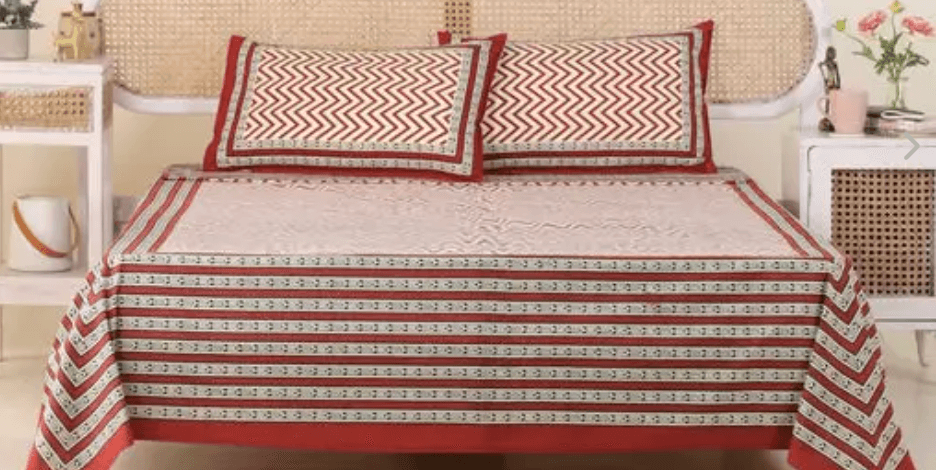
For summer, natural fibres perform best because they allow air circulation and absorb moisture efficiently. Cotton remains the most dependable choice due to its breathable weave and ability to stay cool even after hours of use, especially when crafted in lightweight handwoven styles like the Pure Cotton Double Bedsheet Set with Bagru Geometric Chevron Print, which combines comfort with traditional printing. Linen is another strong option for people who prefer a slightly textured, airy feel that does not cling to the body. Bamboo sheets work well for those who sweat more, as they manage moisture effectively and stay fresh longer.
What to look for in a summer bedsheet:• Lightweight fabric with good airflow• Soft texture that does not trap heat• Ability to absorb sweat without feeling damp• Easy washing and quick drying
Avoid thick weaves, brushed fabrics or synthetic-heavy sheets during summer, as they can trap warmth and cause discomfort. A well-chosen summer bedsheet should feel almost weightless, allowing you to sleep comfortably even on hot nights.
Best Bedsheet for Winter
Winter bedsheets serve a very different purpose from summer ones. As temperatures drop, the focus shifts from cooling the body to retaining warmth and creating a cosy sleeping surface. A winter bedsheet should feel soft, slightly heavier and comforting, helping you stay warm without needing excessive layering.
During colder months, fabrics with a denser texture perform better because they trap warmth close to the body. Flannel is a popular winter choice because its brushed surface creates a gentle insulating layer that feels warm the moment you get into bed. Fleece sheets are another option for people who prefer a plush, blanket-like feel that offers instant comfort on cold nights. For milder winters, a tightly woven cotton sheet paired with a quilt can also work well.
What to look for in a winter bedsheet:
- Slightly heavier fabric with warmth retention
- Soft surface that feels cosy against the skin
- Minimal airflow compared to summer sheets
- Comfortable layering with blankets or duvets
Avoid very thin or loosely woven sheets during winter, as they allow heat to escape quickly and can feel cold to the touch. The right winter bedsheet should make the bed feel inviting and warm, helping you fall asleep faster and stay comfortable through the night.
Best Bedsheet for Monsoon
Monsoon brings high humidity, slower drying and a greater risk of musty smells, which makes fabric choice especially important. During this season, bedsheets should dry quickly, feel light on the skin and stay fresh even when the air feels heavy. Using the wrong fabric can make the bed feel damp and uncomfortable, even if temperatures are not very high.
For monsoon months, sheets made from breathable and moisture-managing fabrics work best. Cotton with a lighter weave performs well because it absorbs moisture and releases it faster than dense fabrics. Bamboo sheets are also a good choice, as they handle humidity well and resist odour buildup. Cotton blends can be practical during prolonged rainy spells because they dry faster than pure heavy cottons.
What to look for in a monsoon bedsheet:
- Quick-drying fabric that does not hold moisture
- Lightweight feel that stays fresh overnight
- Resistance to odour and mildew
- Easy washing and frequent drying
Avoid thick, brushed or fleece-like fabrics during monsoon, as they take longer to dry and may develop a musty smell. The right monsoon bedsheet should feel clean and dry every night, even when the weather outside remains damp for days.
Summer vs Winter vs Monsoon: How Bedsheets Differ Across Seasons?
Bedsheets behave very differently depending on the season, even when they look similar at first glance. Temperature, humidity and airflow all affect how a fabric feels once you lie down. Understanding these differences helps you avoid discomfort and choose sheets that actually support better sleep throughout the year.
In summer, bedsheets need to release heat quickly. Lightweight fabrics with open weaves feel cooler because they allow air to circulate and sweat to evaporate. Sheets that are too dense or smooth can trap warmth and make nights feel restless.
In winter, the priority shifts to retaining warmth. Bedsheets that feel slightly heavier and softer create a cosy layer that holds body heat. Fabrics with a brushed or plush surface feel comforting and help reduce the shock of cold sheets at bedtime.
During monsoon, moisture becomes the biggest concern. Bedsheets must dry quickly and stay fresh despite humidity in the air. Fabrics that manage moisture well prevent that sticky or damp feeling that often ruins sleep during rainy weather.
In simple terms, summer sheets focus on cooling, winter sheets focus on warmth, and monsoon sheets focus on freshness. Matching your bedsheet to the season keeps sleep comfortable and reduces fabric wear over time.
Thread Count vs GSM: What to Choose for Each Season?
Thread count and GSM often confuse buyers, but they serve different purposes. Thread count refers to how tightly the fabric is woven, while GSM indicates the weight of the fabric. Understanding both helps you choose bedsheets that feel right for each season, instead of focusing on numbers alone.
A moderate thread count usually offers the best comfort. Extremely high thread counts may feel smooth initially but can reduce airflow, which is not ideal in warmer months. For summer and monsoon, a lower to mid-range thread count allows the fabric to breathe better. For winter, a slightly tighter weave feels more comforting and stable.
GSM plays a bigger role in seasonal comfort. Lightweight GSM sheets feel airy and are better for hot or humid weather. Medium GSM sheets work well year-round, especially in homes with mild climate control. Higher GSM sheets feel heavier and are more suitable for colder months when warmth matters.
Instead of chasing high numbers, focus on how the fabric feels against your skin. A balanced thread count combined with the right GSM will always perform better across seasons than extreme values.
Seasonal Colour and Pattern Psychology for Bedsheets
Colour and pattern play a quiet but important role in how a bedroom feels across seasons. While fabric controls physical comfort, colours influence mood, perception of temperature and how restful the space feels. Choosing the right tones for each season helps the bedroom feel in sync with the weather outside.
During summer, cooler shades create a visual sense of freshness. Colours like white, soft blue, mint, sage and pale grey make the room feel lighter and more breathable. Simple patterns, fine stripes or minimal prints prevent visual heaviness and help the bed look calm even on hot days.
In winter, warmer tones bring comfort and depth. Shades such as beige, rust, soft brown, muted maroon or warm neutrals make the bed feel inviting. Slightly denser patterns or subtle textures work well because they add warmth without making the space feel busy.
For monsoon, colours that feel clean and uplifting are ideal. Soft pastels, gentle greens and light neutrals help counter gloomy weather. It is best to avoid very dark or heavily textured patterns during humid months, as they can make the bed feel heavier and less fresh.
Rotating bedsheets by colour and pattern is an easy way to refresh the bedroom seasonally without changing furniture or decor.
Which Bedsheet Is Best for People Who Sweat a Lot?
If you sweat heavily during sleep, the bedsheet you use can either make nights uncomfortable or noticeably improve rest. Excess sweating often leads to sticky fabric, disrupted sleep and frequent washing, which is why choosing the right bedsheet material matters more than thread count or design.
For people who sweat a lot, bedsheets should absorb moisture quickly and release it just as fast. Natural fibres perform best because they allow air to move freely and prevent heat from getting trapped against the skin. Cotton sheets with a breathable weave are a dependable choice, as they stay dry for longer and feel comfortable even after hours of use. Bamboo sheets are also helpful because they manage moisture efficiently and resist odour buildup.
What to prioritise if you sweat at night:
- High breathability to prevent heat trapping
- Moisture absorption without dampness
- Soft, non-clingy texture
- Easy washing for frequent use
Avoid synthetic-heavy fabrics or very dense weaves, as they tend to hold heat and moisture. The right bedsheet should help your body cool naturally rather than working against it.
Which Bedsheet Is Best for Very Humid Climates?
In very humid climates, comfort depends less on temperature and more on how well a bedsheet handles moisture. High humidity slows down evaporation, which means fabrics that trap moisture can start feeling damp and uncomfortable very quickly. Choosing the wrong bedsheet in such conditions often leads to musty smells and restless sleep.
For humid regions, bedsheets should dry quickly and allow constant airflow. Lightweight cotton with a breathable weave works well because it absorbs moisture and releases it efficiently. Bamboo sheets are another strong option, as they manage humidity effectively and stay fresh for longer periods. Cotton blends can also be practical in homes where sheets need frequent washing and faster drying.
Key qualities to look for in humid climates:
- Quick-drying fabric that does not stay damp
- Good airflow to prevent stickiness
- Resistance to odour buildup
- Easy maintenance during frequent washes
Avoid thick, plush or tightly woven fabrics in high humidity, as they take longer to dry and may develop an unpleasant smell. The right bedsheet should feel clean and dry every night, even when the air outside feels heavy.
Bedsheet Care and Maintenance Tips for Each Season
Caring for bedsheets correctly helps them last longer and keeps them feeling fresh through changing seasons. Washing and storage habits that work in summer may not always suit monsoon or winter, so small adjustments make a noticeable difference in comfort and fabric quality.
During summer, wash bedsheets regularly to remove sweat and body oils. Use mild detergent and ensure sheets are completely dry before storing or putting them back on the bed. Air-drying in sunlight helps keep fabrics fresh and reduces odour.
In the monsoon, focus on drying thoroughly. Even slightly damp sheets can develop a musty smell in humid air. Dry sheets in a well-ventilated area or under a fan if outdoor drying is slow. Avoid storing sheets in closed cupboards unless they are fully dry.
For winter, washing frequency can reduce slightly, but proper drying still matters. Make sure heavier fabrics are dried completely to prevent trapped moisture. Store extra winter sheets in breathable fabric bags rather than plastic to maintain freshness.
Season-specific care keeps bedsheets comfortable, hygienic and ready to use without fabric damage.
Mistakes to Avoid When Buying Seasonal Bedsheets
One of the most common mistakes people make is buying bedsheets based only on appearance. A sheet may look attractive online or in-store but feel uncomfortable once the season changes. Ignoring fabric behaviour often leads to overheating in summer or discomfort in humid weather.
Another mistake is assuming higher thread count always means better quality. Extremely high thread counts can reduce airflow, especially in warmer months. Seasonal comfort depends more on breathability and fabric weight than numbers printed on the label.
Many buyers also forget to consider drying time. Heavy or plush bedsheets may feel luxurious but can be difficult to dry during monsoon, leading to odour or mildew. Choosing fabrics that suit local climate conditions is essential.
Avoid buying the same bedsheet for all seasons. Rotating bedsheets based on weather helps extend fabric life and improves sleep quality. Seasonal bedding is not about excess but about comfort and practicality.



Pure Cotton Bedsheet for Double bed with 2 Pillow Covers | Handprinted Textured Design in Fern Green & Off White |Marigold Collection

Rust & Off White Cotton Bedsheet with Pillow Cover | Marigold Collection - 90 x 108 Inches / Pure Cotton / Rust & Off White

Pure Cotton Double Bedsheet Set With 2 Pillow Covers | Hand Printed In Maroon & Black | Handmade In India - 90 x 108 inches / Pure Cotton / Maroon, Black & Beige

Pure Cotton Double Bedsheet Set With 2 Pillow Covers | Hand Printed In Mustard & Black | Handmade In India - 90 X 108 Inches / Pure Cotton / Mustard, Black & Beige

Pure Cotton Double Bedsheet Set With 2 Pillow Covers | Hand Printed In Cypress Blue | Handmade In India - 90 x 108 inches / Pure Cotton / Off white & Blue

Pure Cotton Bedsheet for Double bed with 2 Pillow Covers | Textured Design |Handprinted | Ivory and Navy Blue Colour |Marigold Collection
You May also Like
Benefits of Choosing Eco-Friendly Home Decor
• By Anamika
• 2026-01-07
Why choose Handmade Products over Mass-Produced Products
• By Anamika
• 2026-01-07

Lippan Art vs Other Indian Wall Arts: Key Differences & Which Is Best for Your Home
• By Richa Kumari
• 2026-01-02
How to Choose the Right Lippan Art Size for Your Wall | Expert Sizing Guide
• By Richa Kumari
• 2026-01-02
Bed Sheet vs Bedspread: Key Differences & How to Choose the Right One
• By Richa Kumari
• 2026-01-02
Frequently Asked Questions
Why should we change bedsheets according to the season?
Different seasons affect body temperature, sweating and humidity levels. Changing bedsheets by season helps regulate comfort, prevents overheating or dampness and improves overall sleep quality.
Can one bedsheet work for all seasons?
A medium-weight cotton bedsheet can work reasonably well in mild climates, but it may not perform optimally in extreme heat, cold or humidity. Using season-specific bedsheets offers better comfort and hygiene.
How often should bedsheets be replaced or rotated?
Bedsheets should be rotated every few months based on seasonal change. Regular rotation reduces fabric wear and keeps sheets feeling fresh and comfortable.
Do seasonal bedsheets really improve sleep?
Yes. The right fabric helps the body maintain a comfortable temperature and reduces night-time disturbances caused by sweating or feeling cold.
Is fabric more important than thread count when choosing bedsheets?Fabric behaviour plays a bigger role in comfort than thread count. Breathability, moisture handling and weight matter more than high numbers on the label.
 Free DeliveryAcross India
 100%Hand-crafted
 COD Available
 Easy Returns