



Types of Rugs Explained: Styles, Materials & Best Uses Guide
• By Richa Kumari
• 2025-12-09
• 42 mins read
Rugs are broadly categorised by material (wool, cotton, jute, silk, polyester, viscose, seagrass, sisal), weave (hand-knotted, hand-tufted, flatweave, handloom, machine-made, shag, braided), style (modern, traditional, Persian, Moroccan, geometric, abstract, bohemian), usage (living room, bedroom, hallway, kids’ room, kitchen, outdoor), and shape (rectangular, round, runner, square, custom). Each category serves a specific purpose, behaves differently with use, and suits different decor styles-making the rug-buying process feel confusing until these distinctions are crystal clear.
This guide is designed to take away that confusion completely. Instead of overwhelming you with jargon, it explains every rug type in a practical, easy-to-understand way that matches how Indian homes actually function. You’ll learn which materials work best in humid climates, which weaves last longest in high-traffic rooms, how styles influence the feel of a space, and how to pick the right rug based on lifestyle, pets, kids, room size, and maintenance comfort. Whether you prefer a printed cotton rug, a minimal modern piece, a natural fibre design or a traditional statement rug, this guide will help you make a confident and informed choice.
Types of Rugs by Material
Material is the foundation of every rug. It influences how the rug feels under your feet, how long it lasts, how it behaves with cleaning, and what kind of statement it gives to your room. Below is a clear, expanded breakdown of every major rug material used in Indian and global homes.
Wool Rugs
Wool rugs are considered the benchmark for premium rug quality. Wool fibres are naturally strong and elastic, which means they bounce back after pressure, making them ideal for homes where the rug sits under sofas or coffee tables. Wool also has lanolin, a natural oil that makes it resistant to stains and spills - something families appreciate. The feel is warm, plush, and comfortable, especially during cooler months or in AC-heavy homes.
However, wool rugs shed initially, especially when new, because loose fibres need time to settle. The shedding reduces significantly after a few weeks. They also fall on the higher side of the price range because of the craftsmanship involved.
Best for: living rooms, bedrooms, and formal spaces where long-term durability matters.
Cotton Rugs
Cotton rugs are lightweight, breathable, and highly versatile - perfect for Indian weather. They suit both minimal homes and artisanal interiors. Cotton works brilliantly for printed designs, which is why rugs like the Coral & Teal Cotton Rug stand out with crisp patterns and soft textures. Cotton rugs drape beautifully, feel comfortable underfoot, and are easy to maintain.
The downside is that cotton isn’t as strong as wool; it can flatten in high-traffic areas or show wear earlier if placed under heavy furniture. Still, for everyday comfort, easy washing, and effortless style, cotton remains one of the most practical choices.
Best for: bedrooms, kids' rooms, apartments, low-to-medium traffic spaces.
Jute Rugs
Jute rugs bring a natural, earthy charm into a home. They are textured, eco-friendly, and neutral enough to blend with almost any decor style. Jute fibres are thick and woven tightly, which gives the rug a structured look and impressive durability. They are perfect for adding warmth and grounding a room’s colour palette.
However, jute absorbs moisture easily, which makes it unsuitable for kitchens, bathrooms, or humid corners of homes. It is also not ideal if you need a soft, plush feel. Jute is best appreciated for its rustic aesthetic rather than comfort.
Best for: living rooms, covered balconies, reading nooks.
Silk Rugs
Silk rugs are luxury pieces known for their exquisite sheen and soft feel. They showcase intricate craftsmanship, often with very fine detailing. A silk rug instantly elevates a room, making it look elegant and curated.
However, silk is delicate. It demands careful handling and should not be placed in busy household areas. Moisture exposure, spills, or rough cleaning can permanently damage the fibres.
Best for: formal areas, bedrooms, or accent spaces where the rug is more decorative than functional.
Polyester Rugs
Polyester rugs offer great value for budget-conscious buyers. They are soft, available in a wide range of colours, and resist fading, making them a practical option for brightly lit rooms. Polyester handles stains better than many natural fibres and requires comparatively less maintenance.
But polyester flattens over time, especially in high-traffic areas. It is not a long-term investment rug but works well as an affordable styling option.
Best for: rental homes, guest bedrooms, seasonal decor changes.
Nylon Rugs
Nylon rugs are tough and resilient. They resist wear, moisture, and mould better than many natural fibres, which makes them suitable for heavy-traffic areas or households with active children. Nylon also holds colour exceptionally well.
On the downside, nylon rugs can feel less natural or warm compared to wool or cotton. They are utilitarian rather than luxurious.
Best for: hallways, kids’ playrooms, busy entrances.
Viscose Rugs
Viscose (also called art silk or bamboo silk) offers the look of silk at a reduced cost. It has a beautiful shine and a smooth, luxurious feel. Many modern and transitional rugs use viscose to add elegance.
But viscose absorbs water very quickly, which can leave permanent marks. It is also not very durable in high-traffic settings.
Best for: bedrooms, formal living rooms, dry and low-use spaces.
Microfiber Rugs
Microfiber rugs are extremely soft and often used in children’s rooms or as casual comfort pieces. They trap warmth and feel plush underfoot.
Their drawback is that they trap dust easily and may require more frequent cleaning. They are not ideal for high-traffic areas or placement near entrances.
Best for: kids’ rooms, cosy bedrooms.
Bamboo Rugs
Bamboo rugs have a natural cooling effect. They are thin, structured, and visually minimal. They work best for homes that prefer an organic, zen-inspired aesthetic.
However, bamboo rugs aren’t soft and shouldn’t be placed where you want comfort underfoot.
Best for: covered balconies, meditation corners, earthy decor themes.
Leather Rugs
Leather rugs bring a bold, textured look to interiors. They work particularly well in industrial, bohemian, or masculine decor settings.
But leather is sensitive to moisture and not pet-friendly. It also doesn’t offer softness or warmth.
Best for: accent areas, bachelor pads, statement corners.
Seagrass Rugs
Seagrass rugs provide a coastal, natural feel. They are sturdy and hold up well in busy areas. Their colour palette stays neutral, complementing both minimal and traditional homes.
They have a firmer, slightly coarse feel and limited design variations.
Best for: dining rooms, hallways, living rooms.
Sisal Rugs
Sisal is one of the strongest natural fibres used in rugs. It has a beautiful matte finish and an earthy aesthetic.
The downside is that sisal stains easily and does not handle moisture well.
Best for: high-traffic living rooms, entryways (dry areas).
Types of Rugs by Weave and Construction
The way a rug is constructed influences everything - how it looks, how it feels underfoot, how it ages, how much maintenance it needs, and even how premium it appears. Two rugs made from the same material can behave completely differently just because of the weave. Understanding construction helps you identify which rugs will survive high-traffic use, which ones will flatten quickly, and which ones are worth investing in long-term.
Below is a detailed breakdown of the major rug construction techniques you’ll encounter while shopping.
Hand-Knotted Rugs
Hand-knotted rugs are considered the pinnacle of rug craftsmanship. Each knot is tied manually on a loom, one by one, often taking months or even years to complete a single piece. This painstaking process gives hand-knotted rugs unmatched durability - they don’t shed much, they don’t lose shape, and they can last multiple generations when cared for properly. They also tend to have intricate motifs, smooth transitions between colours, and premium finishing because the artisan controls every knot.
The feel of a hand-knotted rug is dense and substantial. It doesn’t flatten easily and keeps its form even under heavy furniture. The price is understandably high, not just because of the quality but because of the labour and time involved. These rugs often become heirlooms, especially traditional or Persian-style pieces.
Best for: formal living rooms, heritage-inspired homes, long-term investment decor.
Hand-Tufted Rugs
Hand-tufted rugs are created by punching yarn into a fabric base using a tufting gun (manual or electric). This technique is much faster than hand-knotting, so the price is lower, but the rug still maintains a sense of artisan involvement. Hand-tufted rugs typically have a soft, cushioned pile and feel luxurious underfoot. They are ideal for spaces where comfort matters, like bedrooms or reading corners.
However, tufted rugs may shed more than knotted ones, especially early on. They are durable for daily living, but unlike hand-knotted rugs, they are not lifetime pieces. They usually last 5-10 years depending on traffic and maintenance.
Best for: bedrooms, cosy living rooms, modern homes wanting plush textures.
Flatweave Rugs (Dhurries, Kilims)
Flatweave rugs are thin, reversible rugs made without a pile. They are woven on a loom using interlaced warp and weft threads, which makes them lightweight, breathable, and easy to maintain. Dhurries and kilims fall under this category, both known for their crisp geometric lines and clean patterns.
Flatweaves suit Indian homes particularly well because they don’t trap heat or dust the way thick rugs do. They’re practical for warm climates and can be folded, washed, or moved around effortlessly.
Because they are thin, they aren’t ultra-plush, but they excel in everyday durability and versatility.
Best for: living rooms, dining rooms, bedrooms, kids’ rooms, apartments.
Machine-Made Rugs
Machine-made rugs are produced on industrial looms, which makes them consistent, quick to manufacture, and budget-friendly. They come in a wide range of designs, from modern prints to traditional patterns. The major advantage of machine-made rugs is affordability, as well as uniform texture and easy availability in multiple sizes.
However, machine-made rugs lack the depth and artistry of handmade pieces. They may also wear out faster, especially in high-traffic areas. While they are a great solution for quick decor updates or rental homes, they are not long-term investment rugs.
Best for: rented spaces, guest rooms, budget-conscious decor updates.
Shag Rugs
Shag rugs have a deep, fluffy pile that creates a soft, cosy feel. They are often used in bedrooms, nurseries, or lounge spaces where tactile comfort matters. Walking on a shag rug feels warm and cushioned due to the long fibres.
Despite their comfort, shag rugs require more maintenance because their pile traps dust more readily. They are not ideal for homes with pets who shed heavily or for busy areas where spills are likely. Vacuuming needs to be gentle, and deep cleaning can be challenging.
Best for: bedrooms, reading corners, low-traffic cosy spaces.
Braided Rugs
Braided rugs are made by braiding strips of fabric or yarn together and then stitching them into circular or oval shapes. They have a rustic, handcrafted charm and work well in cottages, bohemian spaces, and earthy decor themes. Their textured surface adds visual warmth.
They are moderately durable and work well for everyday use, but depending on the material, the braid may loosen with time. They are not typically used in formal or luxury settings but shine in casual homes.
Best for: informal living rooms, country-style decor, boho spaces.
Hooked Rugs
Hooked rugs are made by pulling loops of yarn through a backing canvas using a hooking tool. Depending on how the loops are cut (or left as loops), hooked rugs can either be plush or textured. They often feature colourful patterns and have a handcrafted aesthetic.
They are comfortable underfoot and moderately durable, although the loops can snag if placed in high-traffic areas or if pets scratch the surface. Still, their artistic patterns make them great accent pieces.
Best for: decorative corners, bedrooms, low-to-medium use areas.
Handloom Rugs
Handloom rugs are woven on traditional looms, often blending the qualities of flatweaves and tufted rugs. They can be textured, striped, patterned, or minimal, depending on the yarn used. Handloom rugs are a sweet spot for buyers who want durability with a soft feel but don’t want the price tag of hand-knotted pieces.
They work in almost any decor style because of their versatility and balanced appearance.
Best for: living rooms, bedrooms, contemporary homes.
Power-Loom Rugs
Power-loom rugs are similar to machine-made rugs but use more advanced weaving technology for speed and consistency. They offer a wide design range, good colour retention, and uniform pile height.
Although not as durable as handmade rugs, they provide excellent value for money and are ideal for trendy homes that change decor often.
Best for: modern apartments, high-turnover spaces, rentals.
Types of Rugs by Style and Pattern
Rug styles are often the most confusing part of rug shopping because the names mix geography, art history, weaving technique, and modern decor trends all in one. Styles matter because they instantly shape the mood of a room; some feel bold and dramatic, some look soft and minimal, while others tell cultural stories through motifs. Choosing the right style ensures the rug blends with your existing decor instead of feeling mismatched.
Below is a complete style breakdown that helps readers instantly recognise each type, understand where it fits, and choose confidently.
Modern Rugs
Modern rugs prioritise clean designs, muted tones, and contemporary patterns that pair well with minimalist or urban interiors. They often feature soft gradients, uneven stripes, abstract strokes, or subtle tonal shifts instead of heavy motifs. The beauty of modern rugs lies in their adaptability - they can warm up a cold, neutral space without overwhelming it. Many cotton-printed rugs, such as the Aqua Green Hand-Printed Rug, fall into this style because they use modern interpretations of traditional Indian motifs.
These rugs suit homes with sleek furniture, muted walls, and uncluttered layouts. If your decor leans towards Scandinavian, Japandi, or contemporary Indian, modern rugs are usually the safest choice.
Best for: apartments, small spaces, minimalist homes, modern living rooms.
Traditional Rugs
Traditional rugs draw inspiration from heritage art forms like Persian, Kashmiri, or Indian motifs. They often carry borders, medallions, vines, paisleys, florals, and symmetrical elements. Traditional rugs have a certain richness and timeless appeal, making them perfect for homes with carved furniture, warm wooden tones, and earthy palettes.
Even cotton rugs with heritage block prints - such as the Indigo Lattice Rug - can carry a traditional undertone because they echo age-old patterns with modern execution.
Best for: formal living rooms, heritage-inspired homes, spaces needing warmth.
Oriental Rugs
Oriental rugs are known for their strong cultural identity, originating from regions like Iran, Turkey, India, Afghanistan, and China. They typically feature detailed florals, medallions, and scrolling vines, often in deeper colours like red, blue, and gold. They look luxurious, artistic, and highly detailed - more intricate than purely traditional rugs.
Oriental rugs suit homes that want a statement piece or a nod to cultural decor.
Best for: classic homes, library corners, luxurious bedrooms.
Persian Rugs
Persian rugs fall under the larger family of Oriental rugs but have a distinct signature. They often include lotus, boteh (paisley), cypress, or medallion motifs with extremely fine detailing. The craftsmanship is elaborate, representing centuries-old weaving traditions.
Modern reinterpretations of Persian-inspired prints can also appear on cotton rugs, which blends soft motifs with easy maintenance. Persian-style rugs anchor a room’s decor and instantly add character.
Best for: statement living rooms, master bedrooms, spaces with elegant decor.
Moroccan Rugs
Moroccan rugs are fluffy, bohemian, and design-friendly. Their signature look is a soft, shaggy pile with crisscrossing lines or minimal tribal symbols. They bring softness and warmth, making them favourites for cosy interiors, children’s rooms, or relaxed living spaces.
Their plush feel comes from thick yarn and loose weaving, which adds comfort but requires slightly more care.
Best for: boho homes, cosy bedrooms, informal seating areas.
Geometric Rugs
Geometric rugs feature lines, shapes, patterns, and symmetry. They can be bold or minimal, depending on the colour palette. They offer structure to a room, especially for spaces with soft furnishings or curvy furniture. They’re extremely popular in modern, contemporary, and Scandinavian homes.
Best for: contemporary homes, living rooms, offices, hallways.
Abstract Rugs
Abstract rugs have unpredictable designs - brushstrokes, splatters, waves, or texture-imitating patterns. They behave like artwork on the floor, giving your room an artistic and modern identity. These rugs are especially useful if your decor is plain because they add movement and personality without clutter.
They pair well with solid-colour furniture, metallic accents, and modern art.
Best for: modern living rooms, creative studios, eclectic spaces.
Bohemian Rugs
Boho rugs lean into layered textures, earthy tones, playful patterns, and a relaxed aesthetic. They aren’t overly structured; instead, they add a collected, artistic vibe to a room. Many cotton-printed or woven rugs fall naturally in this style.
They work beautifully when layered with cushions, throws, macramé, rattan furniture, or indoor plants.
Best for: creative spaces, casual living rooms, balconies.
Vintage / Distressed Rugs
Vintage rugs have a faded, aged look created either naturally (over decades) or intentionally through modern printing techniques. These rugs give character and charm to interiors, making them look lived-in, nostalgic, and warm.
They blend exceptionally well in modern homes too because their muted tones complement contemporary decor.
Best for: vintage-inspired rooms, modern homes needing character, eclectic spaces.
Tribal Rugs
Tribal rugs use raw patterns, symbolic art, and handwoven textures created by various indigenous communities. They often include earthy or bold colours with strong linear patterns.
These rugs anchor spaces with cultural richness and pair beautifully with rustic, bohemian, or eclectic decor.
Best for: earthy homes, travel-inspired interiors, rustic living rooms.
Shaggy Rugs
Shaggy rugs feature long fibres and offer a soft, cloud-like feel. They are statement rugs that prioritise comfort over detailed patterns. Available in solid shades or subtle textures, shaggy rugs instantly make a room feel warm and inviting.
Because of their plush height, they require more careful cleaning.
Best for: bedrooms, media rooms, kids’ rooms.
Checkered Rugs
One of the biggest global trends, checkered rugs bring a bold graphical look to any space. Their clean squares add definition and pattern without overwhelming the decor. They can be neutral, monochrome, or colourful depending on the theme.
Checkered rugs especially complement Gen-Z decor styles and modern minimal homes.
Best for: contemporary apartments, studios, trendy living rooms.
Floral Rugs
Floral rugs range from small, delicate prints to bold botanical motifs. They bring softness, colour, and a refreshing aesthetic to rooms. Floral rugs are extremely versatile - they can be traditional, modern, vintage, or artsy depending on the palette and detailing.
Best for: bedrooms, reading corners, living rooms needing warmth.
Types of Rugs by Usage
Choosing a rug by its purpose is often the simplest way to buy the right one. Different rooms demand different textures, thickness levels, materials, and construction styles - a soft bedroom rug won’t survive a busy hallway, and a kitchen rug shouldn’t behave like a plush living room piece. Once you understand how usage shapes durability and comfort, selecting the right rug becomes effortless.
Below is a complete guide to rug types by usage and how they solve real home needs.
Living Room Rugs
A living room rug is more than a decor piece - it pulls the entire seating area together and decides the “mood” of the room. Since the space usually handles high traffic, the ideal living room rug should balance comfort with durability. Flatweaves, handwoven cotton rugs, and low-to-medium pile options work best because they are easy to maintain and don’t trap dust easily.
A living room rug should extend slightly under the sofa or coffee table, visually anchoring the room. Styles like geometric, modern, tribal, or Persian-inspired motifs add depth and help define the seating layout. If your decor is neutral, a patterned rug can inject personality; if your space already has many prints, opt for a subtle texture or tone-on-tone design.
Best choices: flatweaves, cotton rugs, wool rugs, dhurries, geometric and modern prints.
Bedroom Rugs
A bedroom rug has one job - comfort. This is where your feet land every morning, so the surface must feel soft, warm, and welcoming. Bedrooms don’t face the same wear as living rooms, allowing you to choose more delicate weaves, higher piles, or soothing materials like cotton, soft wool, or plush textures.
Many people prefer three-piece rug sets (one on each side of the bed and one at the foot), but a single large rug under the bed creates a more luxurious, hotel-like feel. Patterns like florals, pastel geometrics, or block-prints work beautifully because they add gentle charm without overwhelming the space.
Best choices: soft cotton rugs, handloom rugs, shag rugs, plush modern rugs.
Kids Room Rugs
Kids’ spaces require rugs that are soft, safe, and easy to clean. The rug often becomes a play surface - so the material must be gentle on skin and resilient against spills, toys, and movement. Flatweave cotton rugs are ideal because they’re washable, lightweight, and offer a flat surface for crawling or playing without tripping hazards.
Colours and patterns matter too. Lighter pastels make the room feel airy, while playful motifs add fun without looking messy. Durability is key - avoid high-pile or delicate fibres that snag easily.
Best choices: cotton dhurries, flatweaves, low-pile rugs, washable materials.
Kitchen Rugs
A kitchen rug has a very functional role: reducing fatigue while standing and preventing slips. It must be ultra-durable, easy to clean, and resistant to moisture and stains. Natural fibres like jute don’t work here because they absorb liquid and stain easily. Instead, opt for synthetic or treated fibres.
Runner-style rugs work best since they mirror the kitchen layout, especially in galley kitchens. Choose patterns that camouflage crumbs or occasional spills.
Best choices: anti-fatigue mats, washable rugs, polyester or nylon flatweaves, stain-resistant textures.
Bathroom Rugs
Bathroom rugs aren’t just decor - they provide safety. They must be water-absorbent, quick-drying, and ideally have an anti-slip backing. Cotton is a good choice, but microfiber absorbs water faster and dries sooner, reducing mould risk. Avoid jute, wool, or any natural fibre that retains moisture.
Choose designs that complement tiles and give a spa-like calmness. Stick to small, functional sizes that sit securely outside the shower or near the sink.
Best choices: microfiber, cotton bath mats, anti-slip rugs.
Hallway / Runner Rugs
Hallways are high-traffic zones, which means the rug must be durable, tightly woven, and easy to maintain. Runners protect your flooring, reduce noise, and add interest to long corridors. Patterns work beautifully here - stripes, geometric prints, or tribal repeat motifs visually elongate the passage.
Flatweave or low-pile rugs are ideal because they won’t curl, trip movement, or trap dirt. A hallway rug also benefits from anti-skid pads underneath due to constant movement.
Best choices: dhurries, cotton flatweaves, polyester runners, woven jute (if indoor and dry).
Outdoor Rugs
Outdoor rugs must brave sun, dust, moisture, and unpredictable weather - so they need material strength more than softness. Synthetic fibres like polypropylene work best because they resist fading, moisture damage, and mildew. These rugs brighten balconies, verandas, or terrace seating and add personality without worrying about wear.
Patterns inspired by boho, nautical, or botanical themes work exceptionally well because they elevate outdoor lounging areas. Always ensure proper ventilation so rugs dry fully after exposure to rain or humidity.
Best choices: polypropylene, recycled PET, UV-resistant synthetic rugs.
Entryway Rugs
Entryway rugs handle the dirtiest conditions - shoes, dust, occasional moisture, and constant traffic. They must be durable, stain-resistant, and heavy enough not to slip out of place. Darker colours and dense weaves help hide dirt between cleanings.
Coir mats work for outdoor entrances, while flatweave cotton or synthetic rugs suit indoor foyers. Choose rugs with patterns or heathered textures to reduce visible dirt.
Best choices: coir mats, polyester, flatweave cotton, nylon.
Pet-Friendly Rugs
Pet-friendly rugs must resist scratches, accidents, shedding hair, and frequent cleaning. Avoid viscose, silk, shag rugs, or anything delicate because pets’ claws can easily pull threads. Instead, choose low-pile, tightly woven, or washable materials.
Patterns are a bonus-they camouflage fur and stains. Cotton flatweaves with prints (like block-prints) are excellent because they’re both easy to maintain and gentle on paws.
Best choices: cotton dhurries, synthetic blends, low-pile wool, indoor-outdoor rugs.
All-Weather Rugs
All-weather rugs are hybrids designed to work indoors and outdoors. They resist moisture, stains, UV rays, and heavy foot traffic. These rugs are ideal for balconies, utility zones, or semi-outdoor seating.
They are also excellent for homes with children or pets because they can be washed frequently without fibre damage.
Best choices: polypropylene, polyester, bamboo blends.
Types of Rugs by Shape
Rug shape is one of the most underrated design decisions. Most people focus only on colour or pattern, but the shape of a rug can completely transform how a room feels - whether it looks structured, cosy, elongated, or visually balanced. Choosing the right shape is like choosing the right silhouette for an outfit: it decides how everything comes together.
Below is a detailed, easy-to-understand guide to every major rug shape and when to use each one.
Rectangular Rugs
Rectangular rugs are the most common-and for good reason. They fit naturally into the rectangular footprint of most rooms, especially living rooms, dining rooms, and bedrooms. Their long, linear structure helps unify furniture placement and create symmetry.
A rectangular rug works beautifully under a sofa set, dining table, or bed because it mirrors the lines of the furniture. It also visually stretches a room, making it feel more spacious. Whether you're working with a modern aesthetic or a traditional layout, a rectangular rug rarely goes wrong.
Best for: living rooms, dining rooms, bedrooms, study rooms, rectangular hallways.
Square Rugs
Square rugs are ideal for square-shaped rooms or spaces where the furniture layout naturally forms a balanced, even footprint. They provide structure and visual stability - especially when paired with square coffee tables, compact dining setups, or symmetrical seating.
Square rugs also work beautifully in reading corners, kid’s rooms, and under single armchairs. They help create a grounding effect without overpowering the layout.
Best for: square living rooms, compact bedrooms, reading corners, kid’s play zones.
Round Rugs
Round rugs add softness and movement to a space filled with straight lines. They’re perfect for breaking the rigidity of modern furniture and introducing a sense of flow. A round rug also draws the eye inward, making it excellent for highlighting a central piece like a coffee table, accent chair, or even a beautiful planter.
They also work exceptionally well in small spaces since the curved edges make the room feel open and breathable.
Best for: reading nooks, nursery rooms, foyer areas, under round dining tables, bedrooms, dressing areas.
Oval Rugs
Oval rugs are somewhere between rectangular and round shapes - structured yet gentle. They’re great for rooms that need elegance without sharp corners. Because of their elongated curve, they work especially well in transitional spaces or compact living areas where you want softness without compromising on coverage.
Oval rugs also help guide the eye along a room’s length, making them ideal for shaping movement in open layouts.
Best for: small living rooms, transitional spaces, bedside placements, elongated dining layouts.
Runner Rugs
Runner rugs are long and narrow, designed to define pathways and protect flooring in areas with constant movement. They visually stretch a space, making hallways appear longer and more inviting. In kitchens, they offer comfort underfoot while adding style to narrow layouts.
A runner also creates beautiful framing for staircases, bedside edges, balcony entries, or walk-in wardrobes.
Best for: hallways, kitchens, walk-in closets, entryways, staircases, between twin beds.
Custom-Shape Rugs
Custom-shape rugs allow complete creative freedom - from freeform organic silhouettes to geometric cut-outs that match unique room layouts. These rugs are excellent for modern homes seeking unconventional decor or rooms with irregular furniture arrangements.
Though more expensive, custom rugs tailor your interior exactly the way you visualise it - especially open-plan spaces, lounges, or designer setups where standard shapes don’t quite fit.
Best for: open layouts, creative corners, studio apartments, asymmetrical furniture arrangements.
Modern vs Traditional Rugs
Traditional Rugs
Traditional rugs draw from centuries of weaving heritage across Persia, Turkey, Afghanistan, Kashmir, and the broader Oriental region. They are known for their rich storytelling through motifs - medallions, ornate borders, floral vines, boteh, paisley, and lattice patterns each symbolising culture, history, and craftsmanship. Their colour palettes usually feature deep, warm tones such as rust, maroon, navy, emerald, and ivory, giving any room an instantly grounded and luxurious feel.
These rugs pair beautifully with carved wooden furniture, brass accents, antique decor, and warm wall colours. However, their versatility also makes them fit surprisingly well in modern spaces, where they can act as a statement piece that adds depth, character, and warmth. Because many traditional rugs are hand-knotted or handwoven, they tend to be exceptionally durable and often last generations. Their premium craftsmanship and intricate details make them ideal for homes that embrace culture, warmth, and timeless style.
Modern Rugs
Modern rugs reflect contemporary design sensibilities - clean visuals, simplicity, and a focus on form and texture. They often feature abstract patterns, geometric shapes, subtle tonal gradients, or minimalist motifs. Their colour palettes lean toward neutrals such as beige, grey, sage, charcoal, taupe, and off-white, which help create a calm, uncluttered, and airy aesthetic.
These rugs work especially well in modern Indian apartments, Scandinavian-inspired homes, sleek bedrooms, and open living areas where visual lightness and simplicity are key. Their straightforward elegance allows them to blend seamlessly with modular furniture, muted décor, and modern lighting. Modern rugs also come in a wide range of construction types and price points, from handloom textures to machine-made options giving buyers flexibility based on budget and lifestyle. They are ideal for spaces that need a fresh, streamlined, and contemporary feel without overwhelming the room.
Simple Guide to Buy Rugs
Buying a rug becomes overwhelming only when the decision is made in the wrong order. Most people jump straight to colour or pattern… and then wonder why the rug feels “off” once it arrives. A rug should be chosen the same way designers plan a room-starting with purpose, then size, then material, then style. Below is a clear framework designed to help anyone buy the right rug the first time.
Step 1: Decide the Room & Purpose
Every room behaves differently, which means every space demands a different rug. Start by asking:
- Is the rug here for comfort? (like a bedroom)
- For durability? (like a hallway or entryway)
- For style? (like a living room)
- For safety? (kids’ room)
- For warmth? (stone or marble flooring)
Living rooms usually need rugs that anchor seating, bedrooms need soft textures for bare feet, dining rooms need easy-clean rugs, and hallways require durable weaves that can handle foot traffic.
This purpose-first approach sets the direction for size, material, and style-before you even think about colour.
Step 2: Choose the Right Size & Layout
A rug that’s too small will shrink the room visually. A rug that’s too large may overwhelm the furniture. The size determines how polished the room will look.
Living Room Layout Options:
- All-legs-on: Large rug where the entire sofa set sits on top.
- Front-legs-only: Mid-sized rug placed under the sofa’s front legs.
- Coffee-table-only: Smaller rug just under the centre table (works for compact rooms).
Bedroom Layout Options:
- Full under-bed rug: Rug extends 2-3 feet beyond the bed.
- Runner-style: Two side runners + one at the foot.
- Large offset rug: Placed under the lower two-thirds of the bed.
Dining Room Rule: A rug must extend 24 inches beyond the dining chairs so chairs slide without getting caught.
For Narrow Spaces: Hallways, kitchen aisles, balconies and foyers work beautifully with runners.
Always measure before buying, and choose based on layout-not guesswork.
Step 3: Select Material Based on Lifestyle (Kids, Pets, Traffic, Climate)
Material decides durability, maintenance, softness, and lifespan. Here’s how to choose based on real-life usage:
- Kids & Pets → Cotton, washable blends, low pile, flatweaves
- High-traffic rooms → Jute, sisal, wool flatweaves, durable handloom
- Comfort-first rooms → Wool, microfibre, soft cotton
- Humid climates → Cotton, jute blends (avoid pure wool unless well-ventilated)
- Luxury & statement rooms → Silk, viscose, hand-knotted wool
Think of lifestyle first, aesthetics second. A rug must survive the way you live, not the way Pinterest lives.
Step 4: Pick Style & Pattern Based on decor
The design must support the room, not fight it. Use this approach:
If your room has:
- Dark floors → Lighter rugs open up the space (beige, soft greys, ivory)
- Light floors → Warm or bold rugs add grounding (rust, teal, charcoal)
- Busy furniture → Choose a simple rug (solid, geometric, minimal)
- Minimal furniture → Explore bolder prints (Persian-inspired, block prints, Moroccan)
Patterns can also change how a room feels:
- Geometric → Modern & structured
- Floral → Soft & classic
- Abstract → Artsy & contemporary
- Striped → Makes rooms appear wider or longer
- Heritage / traditional → Adds depth & richness
This is where product selection becomes fun-style is your visual storyteller.
Step 5: Check Comfort vs Durability (Pile Height & Construction)
The weave and pile height decide how the rug feels and how long it lasts.
- Low pile / flatweave → Durable, easy to maintain, ideal for dining rooms & high-use areas
- Medium pile → Best balance of comfort & maintenance, ideal for living rooms
- High pile / shag → Soft & luxurious, best for low-traffic spaces like bedrooms
Construction matters too:
- Handwoven = durable, artisanal, long-lasting
- Hand-tufted = plush, affordable, slightly more shedding
- Machine-made = budget friendly, uniform texture
- Hand-knotted = heirloom quality
Pick based on your priorities-function, comfort, or longevity.
Step 6: Think About Maintenance (Washability, Vacuuming, Shedding)
Every rug requires some care-what changes is how much.
Ask yourself:
- Do you prefer easy washing? → Cotton, washable blends
- Are you okay with periodic vacuuming? → Wool, jute, hand-tufted
- Do you want zero shedding? → Flatweaves, cotton, synthetic blends
- Do you need stain resistance? → Outdoor rugs, performance rugs
Maintenance should match your lifestyle-not create stress.
Step 7: Final Check - Budget vs Longevity
Here’s a simple approach designers use:
- Short-term use (2-3 years) → Cotton, jute, machine-made
- Mid-term (4-6 years) → Handloom rugs, wool flatweaves
- Long-term / investment → Hand-knotted wool & silk rugs
A rug is often one of the most used pieces in a home. Paying slightly more for something durable almost always results in better value.
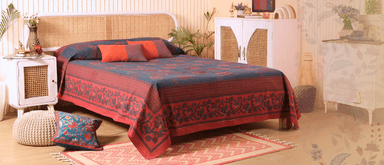

Cotton Rug Hand Block Printed in Ivory and Charcoal Colour | Soft Washable and Durable Carpet for Living Room or Bedroom

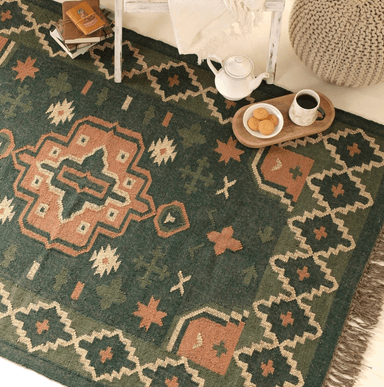
Clover Green Handwoven Rug In 4 x 6 ft | Geometric Pattern | Handcrafted In India - 4 x 6 ft / Jute & Wool / Green and Peach

Indigo Cotton Block Printed Rug In 3 x 5 ft | Geometric Print | Handcrafted In India - 3 x 5 ft / Cotton / Indigo

Cotton Rug Handprinted in Monochrome Colours | For Living Room or Bedroom| 4 feet by 6 feet

Cotton Rug for living room Hand Printed in Jaipuri olive green design | Cotton | Floor rug

Cotton Rug Hand Block Printed in Maroon and Black Colour | Soft Washable and Durable Carpet for Living Room or Bedroom
You May also Like
Benefits of Choosing Eco-Friendly Home Decor
• By Anamika
• 2026-01-07
Why choose Handmade Products over Mass-Produced Products
• By Anamika
• 2026-01-07
Lippan Art vs Other Indian Wall Arts: Key Differences & Which Is Best for Your Home
• By Richa Kumari
• 2026-01-02
How to Choose the Right Lippan Art Size for Your Wall | Expert Sizing Guide
• By Richa Kumari
• 2026-01-02
How to Select the Right Bedsheet for Summer, Winter & Monsoon
• By Richa Kumari
• 2026-01-02
Frequently Asked Questions
How do I know which rug material is right for my home?
Match the material to your lifestyle: cotton and flatweaves for easy upkeep, wool for comfort and longevity, synthetics for low maintenance. Choosing based on usage ensures the rug lasts longer with less effort.
What size rug should I choose for a living room?
Pick a size that anchors your seating area-ideally with the front legs of your sofa on the rug. Larger rooms look more balanced with bigger rugs like 8x10 ft.
Are patterned rugs better for high-traffic areas?
Yes, patterns hide dust, marks, and wear far better than solid colours. They’re ideal for living rooms, hallways, and dining spaces where footfall is high.
 Free DeliveryAcross India
 100%Hand-crafted
 COD Available
 Easy Returns