


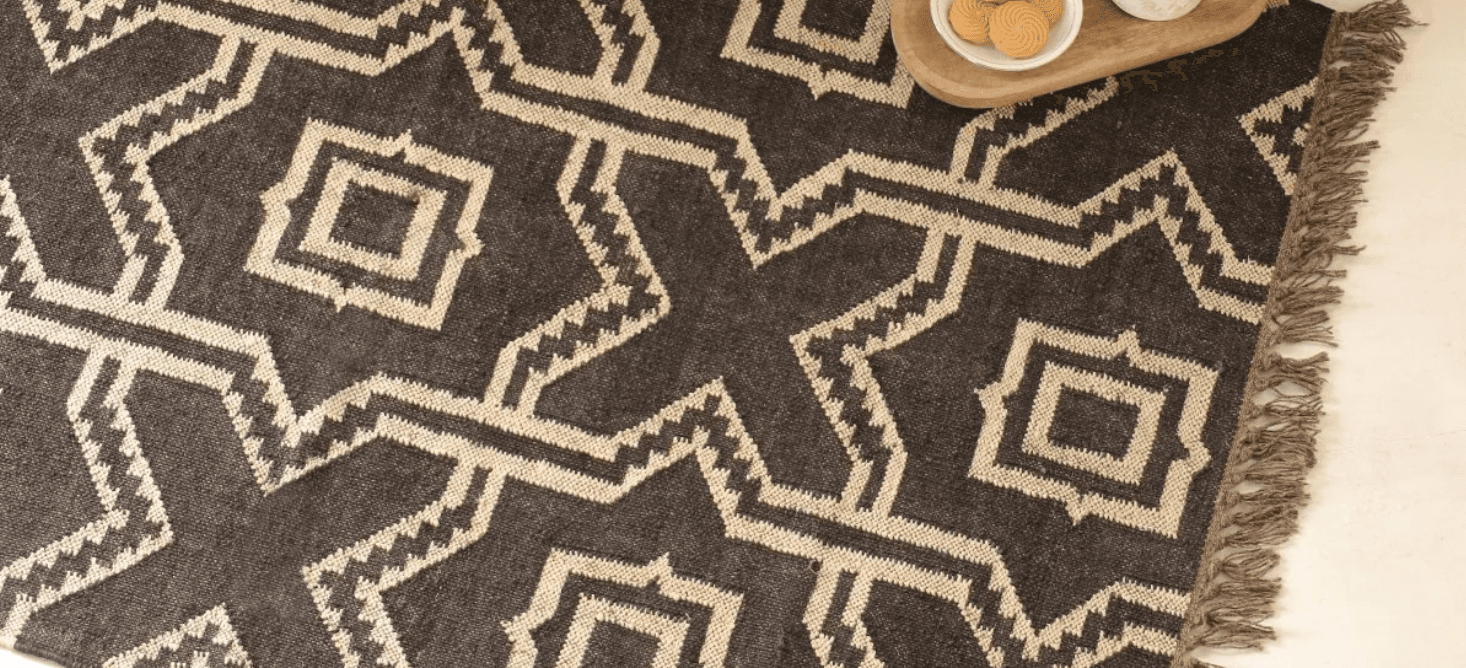


What Is a Handwoven Rug? Weaving Method, Materials & Benefits
• By Richa Kumari
• 2025-12-09
• 31 mins read
A handwoven rug is crafted entirely by hand using a loom, without the use of machines, latex backings, or glue. Every thread is manually interlaced by an artisan, creating a rug that is breathable, durable, and full of natural texture. Unlike tufted rugs (which use a gun to punch yarn through a canvas) or machine-made rugs (produced at high speed using automated looms), handwoven rugs carry the marks of human craftsmanship - slight variations, subtle irregularities, and unique character that cannot be replicated by machines.
A handwoven rug feels lighter and more flexible compared to latex-backed rugs and tends to drape beautifully on the floor. These rugs are known for their longevity, natural materials, and cultural weaving traditions. Whether it’s a flatweave dhurrie from India, a kilim from Turkey, or a braided jute rug from coastal regions, the essence remains the same: a rug made by interlacing warp and weft threads entirely by hand. For anyone planning to buy rugs online in India, understanding these differences helps you identify genuine handcrafted pieces from mass-produced alternatives.
How Handwoven Rugs Are Made?
Handwoven rugs follow a meticulous process rooted in centuries-old craftsmanship. Every stage contributes to the rug's texture, strength, and visual appeal. Here’s a simple breakdown of the weaving journey:
1. Setting Up the Loom
The process begins with preparing either a vertical loom (standing) or a horizontal loom (ground). The loom acts as the framework on which the entire rug will be woven. The artisan adjusts the loom’s width and height depending on the rug size. Setting up the loom requires precision because even a small imbalance can affect the rug’s final shape and tension.
2. Preparing the Warp & Weft
The warp threads (vertical strands) are stretched tightly across the loom. These form the skeleton of the rug. The weft threads (horizontal strands) are passed through the warp to create the fabric structure. The artisan chooses natural fibres like cotton, wool, jute, or hemp depending on the rug’s purpose. Preparing the yarn also involves cleaning, spinning, dyeing, and winding - all done carefully to maintain consistency.
3. Hand Weaving the Pattern
This is where the artistry comes alive. The weaver interlaces the weft through the warp using hand tools such as shuttles, beaters, and combs. Patterns - geometric, striped, floral, tribal, or textured - are woven directly into the structure, not printed or glued. Each row builds on the previous one, making the process slow and deliberate. For flatweaves like dhurries or kilims, the weaver uses colour blocks and pattern transitions to shape the design.
4. Tightening, Finishing & Edging
Once the weaving is complete, artisans tighten the weave by beating the yarn thoroughly to ensure durability. The rug is then removed from the loom and finished with hand-bound edges, tassels, or braided ends. Finishing also includes trimming loose yarns, washing the rug to soften it, and blocking it to ensure perfect alignment. These final details are what give handwoven rugs their signature neatness and long-lasting quality.
Classification of Handwoven Rugs
Handwoven rugs can be understood clearly when you group them by how they are woven, what they are made of, and where the craft originates. Each combination of technique, fibre, and culture creates a distinct personality on the floor. Some rugs feel light and flexible, others dense and luxurious; some look minimal, others carry museum-level detailing. This section gives you a simple, structured overview so you can recognise different rug types at a glance instead of feeling lost in jargon. Think of it as a map to the handwoven rug world, organised for real homes rather than textile textbooks.
Types of Handwoven Rugs by Weave Technique
Different weaving techniques change how a rug feels underfoot, how long it lasts, and how much visual drama it brings into a room. Technique is not just a technical detail; it decides whether a rug behaves like a cool summer layer, a dense winter comfort, or a statement piece in the living room. Flatweaves tend to be light and reversible, hand-knotted rugs are dense and heirloom-level, and braided or handloom rugs sit somewhere in between. Understanding weave types helps you pick rugs that actually match your lifestyle instead of choosing only by colour or pattern. Below are the main weaving families you’ll come across.
Flatweave Rugs
Flatweave rugs are made by interlacing vertical (warp) and horizontal (weft) yarns tightly, without creating a raised pile. This makes them thin, flexible, and often reversible, which is why they work so well in warm climates and everyday spaces. Indian dhurries, Turkish and Iranian kilims, and Soumak-style pieces all fall into this broad family, though each has its own regional character. Flatweaves are easy to roll, move, and store, and they respond well to regular vacuuming because there’s no deep pile for dust to disappear into. In real homes, they shine in living rooms, dining areas, and under furniture where a thick, plush rug would feel too heavy.
Hand-Knotted Rugs
Hand-knotted rugs are created by tying individual knots of yarn around the warp threads and then cutting and trimming the pile to an even height. This is one of the most time-intensive weaving methods, but also the most durable and highly valued. Persian, Turkish, Tibetan, and many Oriental rugs fall into this category, often with thousands of knots per square metre. The higher the knot density, the finer the detailing and the higher the rug’s value. Hand-knotted rugs can last for decades, even generations, when cared for correctly, which is why they are often described as “floor art” rather than simple decor. If you want something timeless and investment-worthy, this is the benchmark category.
Braided Rugs
Braided rugs are made by braiding long strands of yarn or fabric and then coiling and stitching them together into a round, oval, or rectangular shape. They carry a very tactile, homely charm and are often associated with farmhouse, cottage, and rustic interiors. Jute, cotton, and recycled fabric are common materials here, giving braided rugs a natural or colourful character depending on the fibre. They tend to sit flat on the floor, with a comfortable but not overly plush feel underfoot. These rugs are great for entryways, casual living rooms, kids’ spaces, or anywhere you want a relaxed, lived-in look. Their construction also makes them relatively sturdy and shape-holding over time.
Handloom Woven Rugs
Handloom rugs are woven on a frame loom operated manually by artisans using foot pedals and shuttles. The structure of the loom allows for thicker, more structured rugs than many basic flatweaves, while still keeping the piece breathable and flexible. Handloom rugs can be made from wool, cotton, jute, or blends, and often feature ribbed textures, stripes, or subtle patterns that come directly from the weaving process. They offer a nice middle ground between completely flat dhurries and plush hand-knotted pieces. In everyday homes, handloom rugs are a practical choice for living rooms and bedrooms where you want texture and comfort without the high cost of knotted rugs.
Soumak Weave Rugs
Soumak rugs use a special wrapping technique where the weft yarn is looped over and under the warp, rather than simply passed through. This creates a slightly raised, embroidered-like surface that feels more textured than a typical flatweave but still lies relatively flat. The look is often tribal or geometric, with bold patterns and strong lines that stand out in a room. Because of the added yarn wrapping, Soumak rugs tend to be heavier and more durable than basic flatweaves. They work especially well as statement rugs in living spaces, studios, or reading corners where you want visual interest without a high, plush pile.
Pit Loom Rugs
Pit loom rugs are woven on looms set into the ground, allowing the weaver to work at floor level while gaining better control over tension. This setup helps produce dense, sturdy textiles with excellent structural integrity. Wool, cotton, and jute pit-loom rugs are common, each bringing a different feel: wool for warmth and softness, cotton for smooth everyday comfort, and jute for earthy texture. The resulting rugs often have a heavier, more anchored presence on the floor, which prevents them from shifting easily under furniture. Pit-loom pieces are well-suited for busy households, as they hold their shape and surface character even with regular use.
Types of Handwoven Rugs by Material
The fibre used in a rug decides how it feels against bare feet, how it responds to weather, and how easy it is to maintain. Material also influences how eco-friendly a rug is and how long it will realistically last in your home. Wool tends to be warm and resilient, cotton is breathable and easy-going, and jute brings natural texture with a slightly rustic edge. Newer buyers often focus on colour first, but material is what silently dictates comfort and performance after a few months of use. Understanding the strengths of each fibre helps you invest in rugs you’ll actually enjoy living with.
Wool Handwoven Rugs
Wool is often considered the gold standard for rugs because it combines softness, warmth, and resilience in a single fibre. High-quality wool naturally repels light spills, resists crushing, and bounces back well after compression, which is why wool rugs retain their beauty for many years. New Zealand wool is prized for its softness and purity, while Indian and Tibetan wools are valued for their strength and characterful texture. Wool rugs perform especially well in living rooms, bedrooms, and cold climates, where their insulating properties really shine. They do shed initially, but this reduces over time as loose fibres work their way out naturally.
Cotton Handwoven Rugs
Cotton rugs are light, breathable, and comfortable, making them ideal for warm or humid climates. The fibre feels soft underfoot without being overly plush, and it responds well to everyday cleaning routines like vacuuming or gentle washing, depending on the construction. Dhurrie cotton rugs are tightly woven and often reversible, while cotton chindi styles use upcycled fabric for a colourful, casual look. Cotton rugs are perfect under beds, in kids’ rooms, or in relaxed living spaces where you want comfort without heaviness. They may not last as long as dense wool rugs, but they’re excellent for homes that value ease and freshness.
Jute Handwoven Rugs
Jute is a plant-based fibre with a natural golden-brown tone and a distinctly earthy, textured feel. Handwoven jute rugs can be flatwoven or braided, and sometimes blended with cotton to soften the texture slightly. These rugs are extremely popular in bohemian, coastal, and organic-style interiors because they visually connect the indoors with nature. Jute performs best in dry, indoor spaces, as too much moisture can weaken the fibre over time. It’s durable underfoot but can feel slightly coarse, so it’s often used in living rooms, dining areas, and entryways rather than as a soft bedroom rug.
Hemp Handwoven Rugs
Hemp is one of the strongest natural fibres used in rugs, offering exceptional durability and a distinctly raw, rustic appearance. Handwoven hemp rugs tend to have a firm, slightly coarse feel and are favoured in spaces where resilience and sustainability matter more than plushness. Because hemp grows quickly and requires fewer inputs than many other crops, it’s considered an eco-friendly option. These rugs are great for high-traffic zones, indoor-outdoor transitional spaces, or homes with a strong eco-conscious design theme. Over time, hemp softens slightly while still holding its structure.
Wool-Blend Handwoven Rugs
Wool-blend rugs combine wool with fibres like cotton or viscose to balance cost, texture, and performance. Wool-plus-cotton blends can feel lighter and cooler than pure wool while still retaining some bounce and durability. Wool-plus-viscose blends add a subtle sheen and a more refined surface, making them suitable for dressier spaces like formal living rooms. Blended rugs are often chosen when a buyer wants some of the benefits of wool without committing to a full wool price point. They can also fine-tune the look and feel of a rug to better match specific decor goals.
Recycled Fabric Handwoven Rugs
Recycled fabric rugs, including chindi and sari-weave styles, are created by weaving leftover textile strips into new rug bases. This makes them both eco-conscious and visually vibrant, often featuring multicolour patterns and irregular textures that feel playful and human. They tend to be lighter and more casual than wool or heavy jute rugs, but they’re perfect for adding personality to everyday spaces. These rugs appeal strongly to buyers who care about low-waste living and want their homes to reflect that value. They work well in bedrooms, kids’ rooms, creative studios, or anywhere you want cheerful, relaxed energy.
Types of Handwoven Rugs by Regional Style
Beyond technique and fibre, handwoven rugs carry the language of the regions and communities that create them. Each weaving culture has its own motifs, colour preferences, and symbolic patterns, turning rugs into story-carriers as much as floor coverings. Recognising these regional styles helps you see a rug as more than just an object; it becomes part of a lineage of craft. Whether it’s a Persian medallion, a Moroccan diamond, or an Indian dhurrie stripe, each style brings its own emotional and visual rhythm into a space. Here’s a simple overview of major cultural rug traditions.
Persian Handwoven Rugs
Persian rugs are synonymous with intricate detail, layered florals, and central medallion designs that have been refined over centuries. Regions like Tabriz, Kashan, Heriz, Isfahan, and Qom each produce their own distinct patterns and colour combinations, often instantly recognisable to collectors. Typically hand-knotted in wool or silk, these rugs are valued for both artistry and endurance. Colours range from deep reds and indigos to softer creams and blues, with tremendous nuance in between. In a home, a Persian rug immediately adds gravitas and heritage, making any room feel more intentional and complete.
Oriental Handwoven Rugs
“Oriental rugs” is a broad term that covers handwoven rugs from countries such as Turkey, Afghanistan, China, and regions in the Caucasus. These rugs often feature bold geometric motifs, angular medallions, and rich, saturated palettes. Turkish and Afghan pieces, for instance, may lean more tribal, while Chinese rugs might incorporate floral or symbolic patterns specific to their culture. While diverse in style, what unites Oriental rugs is their detailed craftsmanship and strong visual presence. They suit homes that appreciate cultural depth and are particularly striking in living rooms, studies, and hallways.
Moroccan Handwoven Rugs
Moroccan rugs have become global design favourites thanks to their relaxed, artistic feel. Styles like Beni Ourain often feature a cream base with simple black or brown lines, while Azilal and Boucherouite rugs lean into bright colour and free-form patterning. Many Moroccan rugs use high-pile, soft wool, creating a plush underfoot experience. They bridge the gap between bohemian and modern aesthetics, working beautifully in neutral interiors that need a focal point. In real homes, they feel both comfortable and visually expressive, making them ideal for living rooms and bedrooms.
Indian Handwoven Rugs
India is a major centre for rug weaving, with traditions that range from crisp, graphic dhurries to luxurious hand-knotted carpets. Jaipur and Panipat are known for their flatwoven dhurries and contemporary designs, while Mirzapur and Bhadohi are famous for detailed hand-knotted and hand-tufted pieces. Indian handwoven rugs often mix heritage motifs with modern colour palettes, making them very adaptable to different decor styles. They can be minimal, ornate, rustic, or polished depending on the craft cluster and design language. For many buyers, Indian rugs offer a strong balance of craftsmanship, price, and everyday usability.
Tibetan Handwoven Rugs
Tibetan rugs are distinctive for their unique knotting technique and dense, velvety pile. Traditionally woven from Tibetan wool, they are thick, warm, and incredibly durable, making them well suited to colder climates. Designs can be geometric, symbolic, or contemporary, often with a slightly graphic quality. The weaving method gives these rugs a rich hand-feel and a subtle, luxurious sheen. In homes, Tibetan rugs work especially well in bedrooms, lounges, or meditation spaces where comfort and groundedness are key.
Tribal / Nomadic Handwoven Rugs
Tribal and nomadic rugs are created by communities who historically moved across regions, weaving on portable looms. Kilims, Soumak pieces, Berber rugs, and Gabbeh rugs all fall within this broad family. These rugs often feature bold, spontaneous patterns, asymmetry, and a raw authenticity that many machine-made pieces cannot replicate. Colours are typically drawn from natural dyes, resulting in earthy, deep, and softly varied tones. They suit interiors that embrace imperfection, personality, and cultural storytelling - from eclectic city apartments to grounded, nature-led homes.
Handwoven vs Hand-Knotted vs Hand-Tufted Rug
Rugs often look similar at first glance, but their construction completely changes how they feel, how long they last, and whether they age gracefully or fall apart within a few years. For most buyers, these three terms handwoven, hand-knotted, and hand-tufted are the most confusing. Each method has its own strengths and limitations, and understanding them helps you choose the right rug for your home based on budget, usage, climate, and lifestyle.
How the Weaving Method Differs?
Handwoven Rugs
Handwoven rugs are created manually on looms, where artisans interlace warp and weft yarns to form a flat or lightly textured surface. No pile is created (unless the weave design requires small raised sections), and every row is constructed with repetitive, rhythmic shuttle work. This makes the textile lightweight, breathable, and reversible in many cases. Because the construction is purely woven, not knotted or glued, these rugs remain flexible and sit comfortably in warm climates.
Hand-Knotted Rugs
Hand-knotted rugs are constructed knot by knot, where artisans tie individual yarns onto vertical warp threads. Each knot becomes part of the pile, creating density and plushness. The more knots per square inch, the finer and more detailed the rug. This technique is labour-intensive, slow, and requires high skill, which is why these rugs are considered heirloom quality. They are exceptionally durable and can last decades, even generations.
Hand-Tufted Rugs
Hand-tufted rugs are made using a tufting gun that punches yarn loops through a fabric base. These loops are then cut or left intact to create a pile. A latex or adhesive backing holds the loops in place, and a finishing cloth is applied on the back. While they can be thick and plush, they are not as durable as hand-knotted rugs because the fibres are glued instead of tied. They are faster to produce and more affordable, making them accessible for style-driven buyers.
How Does Durability Differ?
Handwoven rugs last well in low- and medium-traffic areas but depend heavily on the material (cotton, jute, wool). They do not have piles, so they rarely shed and maintain their shape with regular rotation. However, they may slide without a rug pad because of their flexible structure.
Hand-knotted rugs are the most durable of all. Each knot is mechanically secure, allowing the rug to withstand decades of foot traffic. They do not delaminate or peel because there is no adhesive involved. Even when they age, they develop character instead of damage.
Hand-tufted rugs have moderate durability. Over time, the glue may weaken, causing shedding or yarn pull-outs. They are ideal for style refreshes but not for buyers seeking lifelong rugs. Their lifespan typically ranges from 5–10 years depending on usage.
How Does Price Differ?
Handwoven rugs fall in the middle range-they are affordable because the weaving process is faster and simpler than knotting. Prices vary widely depending on material and complexity but are generally accessible for most homes.
Hand-knotted rugs are the most expensive due to labour hours, skill level, and knot density. These are investment pieces, often priced higher but offering unmatched longevity and distinct artistic value.
Hand-tufted rugs are budget-friendly. Because they are quickly produced, their cost is significantly lower, making them popular for trend-based decor or temporary home setups.
Which One Is Better for Your Home?
- Choose handwoven rugs if you prefer lightweight, breathable options suitable for tropical climates or if you want easy maintenance. They are excellent for casual living rooms, bedrooms, and under-furniture placement.
- Choose hand-knotted rugs if you value craftsmanship, durability, cultural storytelling, and long-term investment. These rugs elevate spaces instantly and remain beautiful for decades.
- Choose hand-tufted rugs if you want plush texture, contemporary patterns, and affordable prices without a long commitment. They suit rented homes, guest rooms, and seasonal decor changes.
Benefits of Handwoven Rugs
Handwoven rugs are loved across the world for their unique mix of artistry, durability, and everyday practicality. Because each piece is created on a loom-not glued or machine-stamped-they carry a level of craftsmanship that feels both authentic and timeless. Their woven structure keeps them lightweight yet sturdy, making them ideal for warm climates or rooms that need breathable decor. They are also kinder to the environment, low-maintenance, and versatile enough to complement modern, minimal, traditional, or artisanal homes. A beautiful example of this balance is the Handwoven Clover Green Carpet, which showcases how handwoven rugs bring elegance and function together effortlessly.
1. Breathability & Temperature Comfort
Handwoven rugs allow air to move naturally through the fibres-especially cotton, jute, and wool blends-making them excellent for homes in warm or humid climates. Unlike thick tufted rugs that trap heat, flatweave handwoven designs stay cool underfoot and don’t make the room feel heavy. The absence of latex or glue backing also prevents moisture buildup, reducing odours and mildew formation. This breathability makes them ideal for living rooms, bedrooms, or any space where you want comfort without heaviness. Their natural airflow also helps the rug dry faster if it ever gets slightly damp.
2. Lightweight, Reversible & Easy to Move
One of the most practical benefits of handwoven rugs is their lightweight feel. They’re easy to roll, lift, wash (depending on material), and shift around the room without effort. Many flatweaves are also reversible, offering two usable sides-making them great for homes that love frequent decor changes. This flexibility also helps if you enjoy rotating rugs seasonally, using lighter colours in summer and deeper shades in winter. Their portability makes handwoven rugs especially convenient for apartments or rented homes.
3. Eco-Friendly & Sustainable Choice
Many handwoven rugs use natural materials like cotton, jute, wool, or hemp-fibres that are biodegradable and renewable. The weaving process consumes significantly less energy than machine-made carpets, making it a more sustainable production method. In artisan-led regions, weaving is often a primary source of livelihood, so choosing handwoven rugs supports craft communities and keeps traditional techniques alive. If you’re moving toward conscious home decor, handwoven rugs are among the most eco-friendly textile choices you can make.
4. Low Maintenance & Easy to Clean
Because they have no pile, handwoven rugs don’t trap dust, allergens, or pet hair the way tufted or shag rugs do. A simple shake-out or light vacuuming is often enough to keep them fresh. The flat structure prevents deep dirt from settling, making them ideal for homes with kids, pets, or high foot traffic. Cotton handwoven rugs are often washable (depending on size and dye), and jute or wool flatweaves require only occasional airing and rotation. Their simplicity makes them a favourite for practical, everyday living, a quality you clearly see in pieces like the Peepul Tree’s Handwoven Bold Monochrome Rug, which stays neat and clean with minimal effort.
Care & Maintenance Tips for Handwoven Rugs
Handwoven rugs stay beautiful for years with simple, consistent care. Because they’re made without synthetic backing, they respond best to gentle cleaning, minimal moisture, and proper handling. Here’s a practical, easy routine to follow.
Cleaning Routine
Shake the rug outdoors weekly to remove loose dust, or sweep it gently with a soft broom. A low-suction vacuum helps keep fibres fresh without stressing the weave. Mild, regular cleaning prevents dirt from settling deep into natural fibres and keeps colours looking bright.
Vacuuming Direction
Always vacuum with the weave, not against it. Use a suction-only vacuum no beater brush to avoid pulling fibres loose. For delicate cotton or jute rugs, vacuuming the back occasionally removes deep dust without disturbing the surface.
Spot Cleaning
Blot spills immediately using a clean cloth; never rub. Use mild soap and cold water for cotton rugs, and minimal moisture for wool or jute. Handle stains gently, keeping the cleaning surface-level so the rug’s fibres don’t swell or fray.
Sun Exposure & Storage
Give the rug short, gentle sun exposure only in the morning or late afternoon to freshen fibres without fading colours. For storage, roll the rug and wrap it in breathable cotton to prevent moisture and mildew-never store in plastic.
When to Deep Clean?
Deep cleaning once a year is enough for most handwoven rugs. Cotton flatweaves may be hand-washed and dried in shade; wool and jute should be professionally cleaned. If the rug looks dull, feels stiff, or has stubborn stains, a deep clean will restore it.
Should You Buy a Handwoven Rug?
Handwoven rugs are beautifully crafted, long-lasting, and versatile but they aren’t the perfect fit for every home. Understanding who they’re ideal for (and who should avoid them) helps you make a confident, practical purchase.
Best for Warm Climates
Handwoven rugs, especially cotton and jute flatweaves, breathe exceptionally well. They don’t trap heat or feel heavy, making them perfect for warm or tropical climates where thick, plush rugs feel uncomfortable. Their lightweight construction also makes seasonal washing and airing easier.
Best for Natural, Minimal or Artisanal decor Styles
If your home leans toward earthy, handcrafted, minimalist, bohemian, coastal, or contemporary Indian decor, a handwoven rug blends effortlessly. The natural fibres, subtle textures, and artisanal character add warmth without overpowering the room. They pair well with wood, plants, neutral palettes, woven baskets, and handcrafted textiles.
Who Should Avoid Them?
If you prefer ultra-plush softness like shag rugs or want zero maintenance, handwoven rugs may not be ideal. Homes with frequent spills, crawling toddlers, or pets that scratch may also find tufted, washable, or synthetic rugs easier. Handwoven jute rugs should be avoided in damp or moisture-prone areas, as natural fibres can absorb humidity.
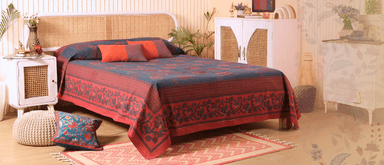
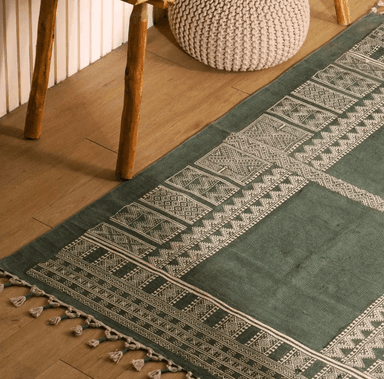

Clover Green Handwoven Rug In 4 x 6 ft | Geometric Pattern | Handcrafted In India - 4 x 6 ft / Jute & Wool / Green and Peach

Monochrome Sustainable Rug In 3 x 5 ft | Geometric pattern | Handcrafted In India - 3 x 5 ft / Jute & Wool / Black & Beige

Pure Cotton Rug in Coral and Powder Blue | 3 X 5 ft | Living Room or Bedroom | Chintz Collection - 3 ft x 5 ft / Cotton / Teal and Maroon

Cotton Rug for living room Hand Printed in Jaipuri olive green design | Cotton | Floor rug

Cotton Rug for living room or Bed room Hand Block printed in Green and Dusty Pink Colours with a Floral Design

Cotton Rug Hand Block Printed in Aqua Green | Soft Washable and Durable Carpet for Living Room or Bedroom
You May also Like
Benefits of Choosing Eco-Friendly Home Decor
• By Anamika
• 2026-01-07
Why choose Handmade Products over Mass-Produced Products
• By Anamika
• 2026-01-07
Lippan Art vs Other Indian Wall Arts: Key Differences & Which Is Best for Your Home
• By Richa Kumari
• 2026-01-02
How to Choose the Right Lippan Art Size for Your Wall | Expert Sizing Guide
• By Richa Kumari
• 2026-01-02
How to Select the Right Bedsheet for Summer, Winter & Monsoon
• By Richa Kumari
• 2026-01-02
Frequently Asked Questions
Do handwoven rugs shed?
Flatweave and handloom rugs shed far less than tufted or plush rugs. Wool handwoven rugs may shed lightly at first due to loose fibres, but this reduces significantly with regular, gentle vacuuming.
Are handwoven rugs eco-friendly?
Yes. Rugs woven from natural fibres like wool, cotton, jute, or hemp are biodegradable and made using low-energy, traditional techniques. This makes them one of the most sustainable rug options for the home.
How long does a handwoven rug last?
With basic care, a good handwoven rug can last anywhere from 5 to 15 years. Wool versions last even longer. Their durability comes from tightly packed weaving and high-quality natural fibres.
Are handwoven rugs good for homes with pets?
They’re suitable for well-behaved pets but not ideal for pets that scratch or claw, since natural fibres can fray. Cotton and flatweave rugs perform better than jute in homes with active pets.
 Free DeliveryAcross India
 100%Hand-crafted
 COD Available
 Easy Returns