




Quilt vs Blanket: What’s the Difference & Which Is Better for You?
• By Richa Kumari
• 2025-12-09
• 31 mins read
Choosing between a quilt and a blanket can feel confusing because both serve the same purpose - warmth and comfort but they’re built very differently. One uses layered construction and stitched patterns, the other is a simple single-layer fabric meant for everyday use. The right choice depends on your climate, how warm you sleep, your decor preferences, and how you like your bedding to look and feel. This guide breaks down the differences clearly so you can choose the best option for your home and sleeping style.
What is a Quilt?
A quilt is a three-layered bedding piece designed to offer lightweight warmth and a decorative finish. It is made by stitching together a top fabric layer, an inner filling, and a backing layer using uniform quilting lines that hold everything firmly in place. The outer fabric is usually cotton, silk, or blends, while the inner filling called batting can be cotton, microfiber, wool, or polyfill. The stitched patterns prevent the filling from shifting and create the signature textured look quilts are known for. Quilts provide warmth by evenly distributing insulation across the surface instead of concentrating it in one area. Because they feel light and breathable, quilts are commonly used in Indian climates, especially for AC rooms, mild winters, and all-season comfort.
Outer Fabric & Stitching
The outer fabric of a quilt is typically soft cotton or cotton blends, chosen for breathability and smoothness against the skin. Quilts feature decorative stitching - straight lines, diamonds, floral patterns, or geometric grids that hold the fabric layers and filling tightly together. This stitching is not only functional but also adds a visual pattern that becomes part of the quilt’s aesthetic. Unlike blankets, quilts don’t rely on thickness; they rely on evenly stitched construction to maintain shape and softness. The stitching prevents clumping, makes the quilt last longer, and ensures consistent warmth.
Inner Batting / Filling
Batting is the quilt’s insulation layer. It can be made from cotton, microfiber, wool, bamboo fibre, or polyfill. Cotton batting feels breathable and natural, microfiber batting is lighter and fluffier, and wool adds more warmth for colder climates. The filling is spread evenly between the two fabric layers so that every inch of the quilt gives consistent comfort. The type of batting also determines whether the quilt is suitable for summer, monsoon, or winter use. Higher GSM fillings provide more warmth, while low GSM fillings make quilts perfect for warm-weather or AC rooms.
How Quilts Provide Warmth?
Quilts provide warmth through their layered structure, which traps a thin layer of air inside the stitched pockets. This air acts as insulation and keeps body heat from escaping. Unlike blankets that depend on thickness, quilts use multiple thin layers to maintain warmth without feeling heavy. Their breathable structure makes them ideal for people who want comfort without overheating. In India, quilts are preferred for their versatility, they are cool enough for summers and warm enough when layered during winters.
Explore our beautifully handcrafted quilt collection and buy quilts online for every season.
What Is a Blanket?
A blanket is a single-layer covering made from thicker, warmer materials such as fleece, wool, cotton, acrylic, or blends. Unlike a quilt, it does not contain multiple stitched layers or inner batting. Blankets rely on the density and thickness of the fabric itself to provide warmth. They are widely used in Indian households because they offer instant insulation and come in a wide range of weights, from light summer blankets to heavy winter ones. Their simple construction makes them easy to fold, layer, and use across seasons depending on the fabric.
Single-Layer Construction
Blankets are generally made from one dense layer of fabric, which is why they feel heavier and warmer than quilts. This construction traps heat close to the body, making blankets a popular choice for chilly winters or people who prefer a snug sleeping experience. The absence of stitching or layered filling means blankets can be woven, knitted, or brushed to achieve different textures from soft fleece to thick wool. Their simplicity also makes them durable and long-lasting.
Common Materials Used for Blanket
Blankets come in many materials, each offering a different warmth level. Fleece blankets are lightweight, soft, and ideal for AC rooms or mild winters. Wool blankets provide the highest warmth and are best suited for colder regions. Cotton blankets are breathable and gentle on the skin, perfect for humid areas. Acrylic blankets are budget-friendly, durable, and often used in everyday Indian homes. Each material has its own comfort profile, making blankets flexible for different climates and preferences.
Everyday Use in Indian Households
In most Indian homes, blankets are a staple because of their versatility and availability in both light and heavy options. They are commonly used during winters, in AC rooms, or as an extra layer for added warmth. Families often prefer blankets for quick warmth and durability, especially in multi-use homes where bedding needs to be practical. Whether used on sofas, beds, or during travel, blankets remain one of the most convenient and widely used bedding essentials.
Difference Between Quilt and Blanket
Quilts and blankets differ mainly in construction, warmth, weight, and aesthetic value. Quilts are three-layered, stitched, breathable, and lighter, making them suitable for AC rooms, warm climates, and everyday use. Blankets, on the other hand, rely on single-layer thickness to provide warmth and are the better choice for cold winters or those who prefer a heavier feel. Quilts offer decorative stitching and patterns ideal for bedroom styling, while blankets typically come in solid colours or textured finishes. Quilts work well for layering and mild weather, whereas blankets excel in high insulation and direct warmth. Both have strong use cases depending on seasons and sleep preferences.
Warmth & Insulation: Quilt vs Blanket
How Quilts Retain Heat?
Quilts retain warmth by trapping air inside their layered structure. The batting sandwiched between the top and bottom fabric creates countless tiny air pockets that hold body heat gently and evenly. This prevents cold spots and gives you steady, cosy warmth instead of sudden temperature spikes. Because of this design, quilts feel snug but not suffocating, which is ideal for AC rooms or slightly cool nights. Lighter cotton or microfiber quilts are especially good for people who like to feel covered but dislike heavy bedding. In short, quilts offer controlled warmth rather than intense insulation.
How Blankets Trap Warmth?
Blankets trap warmth through fabric thickness and density rather than layered construction. A wool or mink blanket has a dense fibre structure that absorbs and holds onto body heat quickly, which is why they feel instantly warm when you wrap yourself in them. Fleece and acrylic blankets also trap warmth efficiently, although they can sometimes feel too hot for people who run warm at night. Because blankets don’t have inner batting, the warmth level is mainly decided by the material and thickness. This makes blankets excellent for cold nights, but they can be overkill in mild climates or high-AC settings.
Which One Is Better for Winter?
For harsh winters or very cold rooms, blankets generally perform better than quilts. A thick wool, fleece, or mink blanket provides strong insulation and locks in heat for long hours. Quilts can still be used in winter, but they usually work best as part of a layered setup over a blanket or under a comforter. If you live in a place where temperatures drop significantly, a blanket is your main winter warrior, and a quilt becomes a supportive, styling, and extra-warmth layer. For moderate winter climates, however, a medium-weight quilt alone is often enough.
Which One Is Better Summer or Air-Conditioned Rooms?
For summers and air-conditioned rooms, quilts have a clear advantage over heavy blankets. Lightweight cotton or microfiber quilts give just enough warmth to prevent chills from the AC without overheating your body. Blankets, especially mink or wool, can feel too hot and may cause restlessness at night in such conditions. A quilt keeps your body temperature more stable, which is essential for deeper, more restful sleep. If your home is in a warm or humid region, a quilt is usually the more comfortable and practical choice for most of the year.
Materials Used in Quilts vs Blankets
Quilt Materials
Cotton Quilts
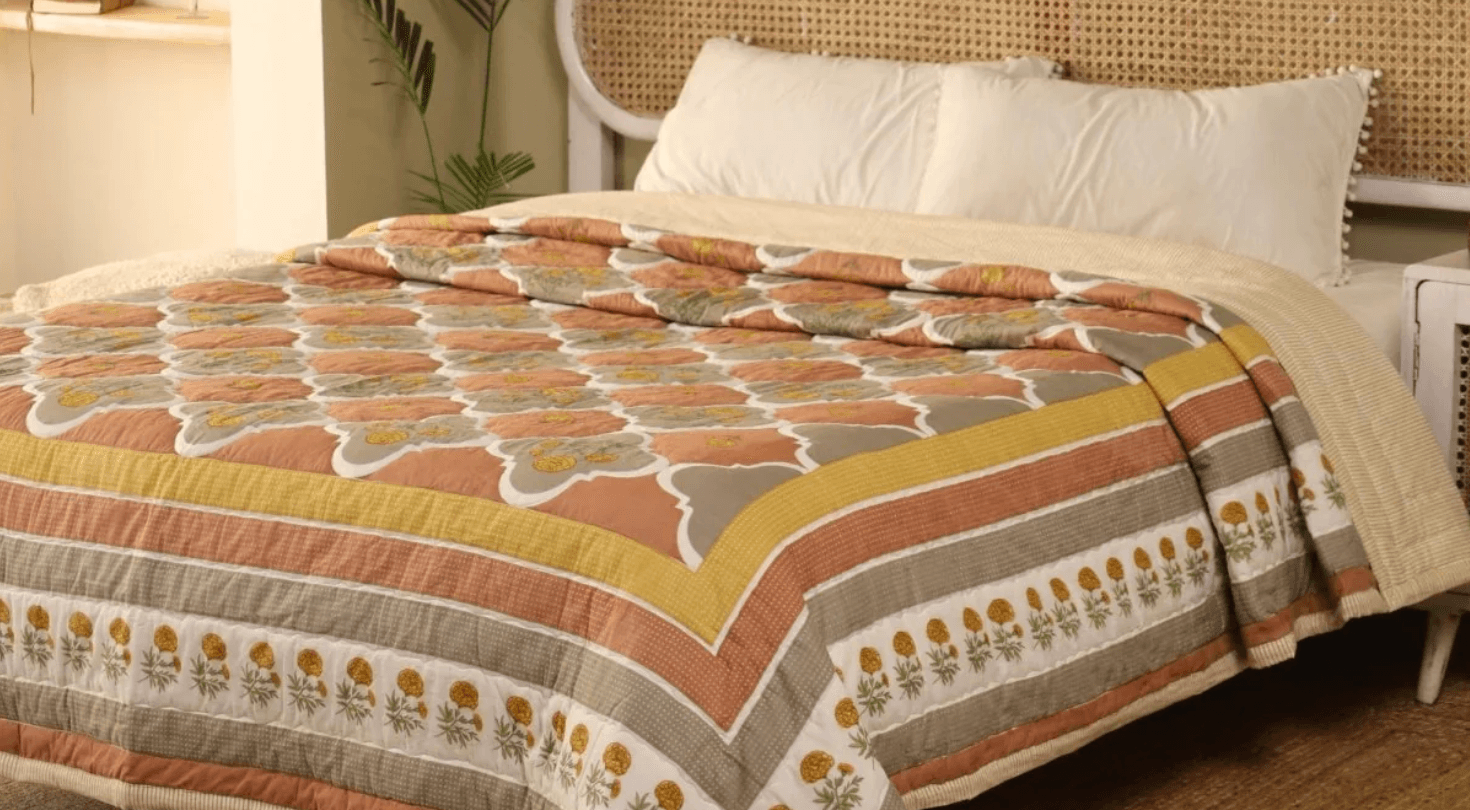
Cotton quilts are crafted with breathable cotton fabric on the outside and a soft cotton or polyfill batting inside, giving them a naturally airy feel that doesn’t trap heat. They sit comfortably against the skin, promote steady airflow, and rarely cause overheating-making them ideal for tropical climates, AC-cooled bedrooms, and anyone with sensitive skin. Over time, cotton quilts soften beautifully and remain easy to maintain, offering gentle warmth rather than heavy insulation. This makes them perfect for light to medium sleepers who want comfort without weight. A piece like Peepul Tree’s Rust and Taupe Single Quilt from the Marigold Collection is a great example of how cotton quilts provide all-season usability with a naturally cosy feel.
Microfiber Quilts
Microfiber quilts use synthetic fibres that are extremely fine and tightly woven. They feel smooth, light, and cosy, while providing surprisingly good insulation for their weight. Because the material dries quickly and resists wrinkles, microfiber quilts are low-maintenance and practical for busy households. They are also a good option for people who want warmth but do not want a bulky blanket. For guest rooms, kids’ rooms, or everyday use, microfiber quilts work well as a reliable, easy-care choice.
Wool Quilts
Wool quilts combine the structured feel of a quilt with the natural insulation of wool. Wool fibres naturally regulate temperature, keeping you warm in winter but not excessively hot. These quilts are ideal for cooler climates or people who feel cold easily at night. They are durable and resilient, often lasting many years when cared for properly. However, they can feel heavier and may require special washing or dry cleaning, making them less convenient for daily washing.
Down/Feather Quilts
Down quilts are filled with soft feathers, usually from ducks or geese, and are known for being very light yet extremely warm. They trap air efficiently, creating a cloud-like layer of insulation around the body. This makes them ideal for cold climates where you want warmth without weight. However, they can be expensive and may not suit people with feather allergies. They also need careful maintenance and often require professional cleaning to preserve loft and hygiene.
Polyfill Quilts
Polyfill quilts use synthetic filling that mimics the loft of down but is usually more affordable and hypoallergenic. They are popular because they offer reliable warmth, are relatively lightweight, and can often be machine-washed. Polyfill does not absorb as much moisture as natural fibres, which can help the quilt stay fresh longer between washes. However, very cheap polyfill can flatten over time, reducing warmth and comfort. Good-quality polyfill quilts strike a balance between cost, warmth, and ease of care.
Blanket Materials
Fleece Blankets
Fleece blankets are made from synthetic fibres designed to feel plush, soft, and warm. They provide instant comfort and are especially popular for AC rooms, sofas, and light winters. Because fleece dries quickly and resists wrinkles, it is easy to wash and maintain, making it ideal for everyday use or homes with kids and pets. Fleece blankets are usually lightweight but can still feel quite warm, which suits people who like a cosy, wrapped feeling.
Wool Blankets
Wool blankets are among the warmest bedding options available. Wool fibres naturally trap heat while also wicking away moisture, keeping you warmer and drier through the night. They are perfect for very cold climates or for people who feel cold no matter how many layers they use. Wool blankets are durable and can last many years, but some people may find them slightly itchy if used without a sheet underneath. They may also require gentler washing methods or dry cleaning.
Cotton Blankets
Cotton blankets are breathable, gentle on the skin, and versatile across seasons. They offer light to medium warmth, making them suitable for summer nights, mild winters, and AC rooms. Because cotton can be washed frequently without losing comfort, these blankets are great for families, children, and people with allergies. They do not trap heat aggressively, which means they are comfortable for hot sleepers as well. Cotton blankets are a great choice if you prefer natural, easy-care fabrics.
Acrylic Blankets
Acrylic blankets are made from synthetic fibres that mimic the warmth and softness of wool at a more affordable price. They tend to be light, warm, and colourfast, meaning they hold onto patterns and bright colours well. These blankets are often used in winter because they provide good insulation without being very heavy. However, they may not be as breathable as cotton, and some people may find them less comfortable in humid climates.
Mink Blankets
Mink blankets (often synthetic, not real mink) are thick, plush, and very warm. They are widely used in Indian households for heavy winters because of their soft feel and strong insulation. The smooth, velvety surface adds a luxurious touch to the bed and feels comforting in cold weather. However, they can be too warm for moderate climates and may feel bulky for people who prefer lighter bedding. Mink blankets are best reserved for cold months or cooler regions where intense warmth is needed.
Weight & Thickness Comparison
Do Quilts Feel Heavier?
Quilts generally feel light to medium in weight because their warmth comes from layered construction rather than fabric density. Even quilts with higher GSM fillings remain easy to lift, fold, and layer, making them ideal for sleepers who dislike bulky bedding. Their stitched structure distributes weight evenly across the surface, preventing the “heavy on the legs” feeling that some blankets create. This balance of lightness and warmth makes quilts great for AC rooms and mild winters. Overall, quilts give comfort without physical heaviness, which suits hot sleepers and children exceptionally well.
Are Blankets Thicker?
Yes, blankets are typically thicker and denser because they are made from a single heavy fabric layer like fleece, wool, acrylic, or heavy cotton. Their thickness provides direct insulation, which is why they feel warmer immediately upon contact. This extra bulk makes blankets better suited for cold climates, winter nights, or anyone who prefers a snug, cocoon-like sleeping experience. However, their density can feel overwhelming for hot sleepers or those in humid regions. While quilts distribute warmth gently, blankets deliver immediate, concentrated heat due to their thickness.
Comfort Differences for Hot vs Cold Sleepers
Hot sleepers usually find quilts more comfortable because they offer warmth without trapping excessive heat. Their breathable structure allows airflow between layers, preventing night sweats and overheating. Cold sleepers, however, tend to prefer blankets because the dense fabric locks in warmth and maintains body heat consistently through the night. In very cold climates, a combination of both a lightweight quilt layered with a blanket can create the perfect balance. Choosing between the two depends largely on personal sleep temperature, local weather, and whether you use AC at night.
Design & Aesthetic Differences
Quilted Patterns & Stitching
Quilts are known for their decorative stitched patterns from clean straight-line quilting to intricate florals, grids, waves, and geometric motifs. These stitches not only secure the inner filling but also add visual depth that elevates bed styling. Many quilts, including handcrafted options like the Single Reversible Hand-Block Printed Turquoise Zinnia Quilt, offer dual designs on each side, letting you switch the look of your room effortlessly. This layered detailing creates a polished, elegant appearance without adding bulk, making quilts ideal for homes that appreciate a crafted, artisanal aesthetic. Whether minimal, traditional, or contemporary, quilts bring a soft visual richness that blends beautifully with most decor styles.
Solid vs Textured Blankets
Blankets usually feature solid colours or simple textures like ribbed, brushed, woven, or furry finishes. Their design appeal comes from minimalism and uniform fabric, making them versatile for quick styling or layering. Fleece and microfiber blankets give a smooth, velvety surface, while wool blankets offer a rustic, natural texture. Because they lack stitched patterns, blankets create a clean, uninterrupted look on the bed. They blend well in minimal, cosy, or practical bedroom setups where warmth is the priority.
Home decor Impact: Bed Styling & Layering
Quilts elevate bedroom decor through their pattern, stitching, and structured finish, making the bed look styled even without additional elements. They work beautifully for layering, pairing them with sheets, throws, or decorative cushions instantly adds depth and visual interest. Pieces like Peepul Tree’s Rust & Off-White Reversible Pure Cotton Quilt show how a single quilt can create a curated, finished look while still feeling lightweight enough for everyday use. Blankets, because of their simplicity, offer a more understated aesthetic and are often used as secondary layers or seasonal swaps. In homes where the bed serves as the main visual anchor, quilts naturally add more personality, while blankets keep the look minimal and comfort-first. Both bring value depending on whether you prefer a styled, expressive setup or a clean, uncomplicated one.
Use Cases of Quilts and Blankets
Best for Winter
Blankets are generally the better choice for winter because their dense, single-layer construction traps heat quickly and keeps the body warm throughout the night. Wool, fleece, and mink blankets provide strong insulation that suits extreme cold conditions. Quilts can work in winter too, especially those with microfiber or heavier cotton filling, but they offer a gentler warmth compared to blankets. Many households use quilts as the first layer and add a blanket during very cold nights. If you live in a region with harsh winters, a blanket will deliver more reliable warmth.
Best for AC Rooms
Quilts are the top choice for AC rooms because they offer controlled warmth without overheating. Their layered, breathable structure allows air circulation, making them ideal for people who sleep with the AC on but still need light coverage. AC quilts are specifically designed for this setting, providing a soft cocoon-feel without trapping excess heat. Blankets may feel too warm in AC rooms unless you prefer very high insulation. For most modern bedrooms, quilts strike the perfect balance of comfort and temperature regulation.
Best for Kids & Elders
Quilts are highly recommended for children and elderly individuals because they are lighter, breathable, and gentle on sensitive skin. Kids tend to kick off heavier blankets at night, so quilts keep them comfortably warm without weighing them down. Elders often prefer quilts due to their softness and ease of handling, especially when folding, washing, or adjusting during sleep. Blankets work well for elders in colder climates, but for everyday indoor use, quilts are the safer and more comfortable option. The lightweight design ensures better nighttime mobility and comfort.
Best for Layered Bedding
Quilts excel in layered bedding setups because they add both visual texture and functional warmth without making the bed look bulky. Their stitched designs create clean lines that look beautiful when paired with throws, runners, or decorative pillows. Blankets can also work in layered decor, but they usually serve as the bottom-most or top-most layer, depending on season. Quilts, especially reversible ones, make it easier to switch up the look of the room with minimal effort. For home decor enthusiasts, quilts offer more styling versatility.
Best for Minimalistic Bedding
Blankets are ideal for minimalistic bedding styles where simplicity and functionality take priority. Their solid colours, clean surface, and straightforward design complement minimalist rooms that avoid visual clutter. Quilts can still fit minimal interiors, but their patterns and stitches naturally draw more attention. For a calm, streamlined, “hotel-bed” aesthetic, a single high-quality blanket works perfectly, especially in neutral tones. If minimal care and quick styling are your priorities, blankets provide an effortless everyday solution.
Care & Maintenance Differences
Washing Quilts
Quilts need gentle handling because of their stitched construction and inner filling. Most cotton or microfiber quilts can be machine-washed on a delicate cycle, but heavier or hand-quilted versions may require professional cleaning to protect the batting. The key is avoiding harsh detergents, hot water, or strong spin cycles that can damage the stitches. Always wash quilts separately to prevent fibre compression. After washing, reshape the quilt while it’s damp to maintain even distribution of the filling.
Washing Blankets
Blankets are generally easier to wash because they’re made from a single large fabric layer. Fleece, acrylic, and polyester blankets wash well in regular machine cycles, while wool blankets may require cold water and mild detergents. Since blankets don’t have stitched layers, they withstand more frequent washing without losing structure. However, using fabric softeners on synthetic blankets can reduce fibre longevity over time. Always follow the care tag, as some materials like mink or pure wool need specific wash settings.
Drying & Storage
Quilts should be air-dried whenever possible, as high heat can shrink the outer fabric or warp the inner batting. Lay them flat or dry them over a wide surface to prevent stretching. Blankets, especially synthetic ones, dry faster and handle machine drying better, though wool still requires flat drying. For storage, quilts should be kept in breathable cotton bags to avoid moisture build-up. Blankets can be folded and stored easily, but ensure they are fully dry to prevent mildew.
How Often to Wash
Quilts typically need washing every 3-4 weeks in regular-use bedrooms, as over-washing can stress the stitching. Blankets, being more robust, can be washed every 2-3 weeks or more frequently if used in high-traffic areas like living rooms. AC quilts used nightly may need slightly more frequent washing due to body oils. Always consider the climate - hot, humid areas may require more frequent cleaning to avoid odour and moisture retention. For guest rooms, washing once a month is usually enough.
Longevity With Proper Care
Quilts can last for many years if handled gently, as their stitching stays intact and the filling remains evenly distributed with correct care. Blankets often have a longer lifespan overall because they have no layers to shift or loosen. Wool and high-quality microfiber blankets can stay in excellent condition for over a decade. Quilts may show wear sooner if washed aggressively, especially at the corners or binding. The more you follow fabric-specific care routines, the longer both items will retain softness, colour, and structure.
Price & Durability Comparison
Quilt Pricing vs Value
Quilts are generally priced higher than blankets because of their layered construction, stitched patterns, and the labour involved in securing the filling evenly. Cotton, microfiber, and polyfill quilts fall in a moderate price range, while down and wool-filled quilts sit at the premium end. The value of a quilt lies in its year-round usability, it works as winter bedding, AC bedding, and can double up as a decorative layer. Since quilts also elevate the look of a room, many people consider them an aesthetic investment. When cared for properly, a quality quilt offers long-term value that justifies its initial cost.
Blanket Pricing vs Value
Blankets come in a wide price range depending on material. Fleece and acrylic blankets are the most budget-friendly, while wool, mink, and cotton blankets sit in the mid-to-premium bracket. Because blankets are typically single-layer and easier to manufacture, their cost stays lower than most quilts. They also last longer with repeated washing, which increases their cost-efficiency. For users who prefer simple, everyday warmth without added styling, blankets offer reliable comfort at a lower investment.
Which Lasts Longer?
Blankets usually outlast quilts because they don’t rely on stitched layers or batting that can shift over time. Wool and microfiber blankets can remain in excellent condition for years, even with frequent washing. Quilts, though durable, require gentler maintenance, as stitching can loosen and the filling may compress if mishandled. However, premium quilts made with tightly quilted patterns or high-quality cotton tend to last very long when properly maintained. Longevity ultimately depends on fabric type, usage patterns, and how carefully each item is cared for.
Cost Per Use
When considering cost per use, quilts tend to offer strong value because they serve multiple purposes - winter warmth, AC comfort, and decor layering. They are used daily in most households, making the long-term cost worthwhile. Blankets, especially inexpensive ones, offer excellent cost per use due to their durability and washing ease. High-quality wool or mink blankets have a higher upfront cost, but their longevity often evens it out. In budget-focused homes, blankets win; in comfort-focused homes, quilts justify the investment.
Which Should You Choose?
Choose a quilt if you want bedding that offers balanced warmth without feeling too heavy or suffocating. Quilts work beautifully in AC rooms, mild winters, and year-round use because the layered construction traps gentle heat while remaining breathable. They are ideal if you prefer softer, luxurious bedding that also elevates the aesthetic of your bedroom. Quilts are perfect for families, guest rooms, and those who enjoy decorative bed layering. If you like bedding that feels cosy but not bulky, a quilt is the right choice.
Choose a blanket if you prefer simple, fuss-free warmth and want something that withstands frequent washing and everyday use. They offer excellent insulation for cold sleepers and are especially effective in winter when a single warm layer is preferred over multiple layers. Blankets also suit people who want budget-friendly bedding without compromising comfort. If you live in a colder climate, need bedding that is durable and easy to maintain, or prefer lightweight covers for naps and daily use, a blanket fits your lifestyle well.
Final Recommendation
If you want soft comfort, year-round usability, and elegant bedroom styling, choose a quilt. If your priority is affordable warmth, durability, and low maintenance, choose a blanket. Most households benefit from owning both: a quilt for AC and mild weather, and a blanket for peak winters or when extra warmth is needed. Think about your climate, sleep temperature, maintenance preference, and decor goals, your ideal choice will naturally emerge when you consider how you use your bedding every day.

Pure Cotton Quilt or Comforter in Green Leafy Stripes | Versatile as Quilt or AC Blanket | Reversible designs

Cotton Quilt Hand Printed in Rust and Taupe Colours with Marigold flowers| 100% Cotton Quilt which is Light weight and Breathable

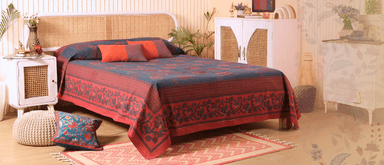
Pure Cotton Quilt or Comforter in Rust and Maroon Ornate Flowers | Versatile as Quilt or AC Blanket | Reversible designs

Pure Cotton Quilt or Comforter in Dusty Pink Leafy Stripes | Versatile as Quilt or AC Blanket | Reversible designs

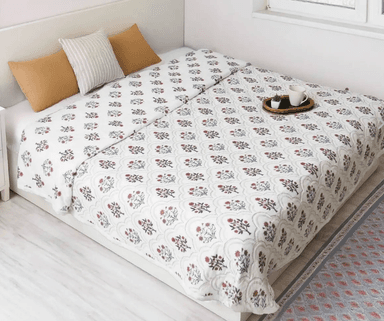
Pure Cotton Quilt or Comforter in Rust and Off white All over pattern | Versatile as Quilt or AC Blanket | Reversible designs

Pure Cotton Quilt or Comforter in Green and Dusty Pink with Floral and Geometric designs | Versatile as Quilt or AC Blanket | Reversible designs
You May also Like
Benefits of Choosing Eco-Friendly Home Decor
• By Anamika
• 2026-01-07
Why choose Handmade Products over Mass-Produced Products
• By Anamika
• 2026-01-07
Lippan Art vs Other Indian Wall Arts: Key Differences & Which Is Best for Your Home
• By Richa Kumari
• 2026-01-02
How to Choose the Right Lippan Art Size for Your Wall | Expert Sizing Guide
• By Richa Kumari
• 2026-01-02
How to Select the Right Bedsheet for Summer, Winter & Monsoon
• By Richa Kumari
• 2026-01-02
Frequently Asked Questions
Is a quilt warmer than a blanket?
A quilt can be warmer or cooler depending on its filling. Cotton and polyfill quilts offer medium warmth suitable for AC rooms and mild winters, while down quilts provide high insulation. Blankets like wool and fleece, however, generally offer superior warmth in harsh winters because they trap heat more aggressively. So, quilts are better for balanced warmth, and blankets are better for intense cold.
Can you use a quilt in summer?
Yes. Lightweight cotton quilts and AC quilts are specifically designed for summer and humid climates. Their breathable layering prevents heat buildup and keeps the body cool while still offering a comfortable cover. Blankets, especially fleece or wool, can feel too warm for summer, making quilts the preferred option in hotter regions or AC bedrooms.
Which is better for heavy winters - a quilt or a blanket?
For extreme winter conditions, a blanket (wool or mink) provides stronger insulation than most quilts. However, down-filled or microfiber winter quilts can also offer excellent warmth without the weight of a thick blanket. For very cold climates, people often layer a winter quilt with a blanket for maximum insulation. If you sleep cold, blankets win; if you want warmth without bulk, winter quilts are ideal.
Are blankets good for sensitive skin?
Blankets made from cotton or hypoallergenic fleece are safe for most sensitive skin types. However, wool blankets may feel itchy for some people. Quilts made from pure cotton are often more skin-friendly because the top fabric is soft, breathable, and gentle. Those with allergies generally prefer cotton quilts over synthetic or wool blankets to avoid irritation.
 Free DeliveryAcross India
 100%Hand-crafted
 COD Available
 Easy Returns